All About Peoples OF Nepal

Nepal is often celebrated for its towering Himalayan peaks, ancient temples, colorful festivals, and thrilling adventures. While these attractions bring millions of visitors every year, the country's greatest treasure is its people. Every journey through Nepal is shaped not only by the places you visit but also by the warm smiles, genuine hospitality, and meaningful connections you make with local communities.
From the bustling streets of Kathmandu to the peaceful villages hidden beneath the Himalayas, Nepali people are known worldwide for their kindness, humility, respect, and welcoming nature. Whether you are trekking in the mountains, exploring historical cities, visiting sacred temples, or staying in a rural homestay, you will quickly discover that the warmth of the people often becomes the most memorable part of your journey.
This complete guide explores everything you need to know about the people of Nepal, including their culture, traditions, hospitality, religions, food, social values, etiquette, and the best ways to connect with local communities. It also explains how Khushi Travels and Consulting Group Pvt. Ltd. helps visitors experience authentic Nepal through professionally planned tours, cultural experiences, transportation, accommodation, trekking, pilgrimage journeys, and customized travel services.
Who Are the People of Nepal?
Nepal is home to over 30 million people representing more than 125 ethnic groups and over 120 spoken languages. Despite this incredible diversity, the people share common values of respect, family unity, community support, and religious harmony.
The country's geography has created three distinct regions:
Himalayan Region
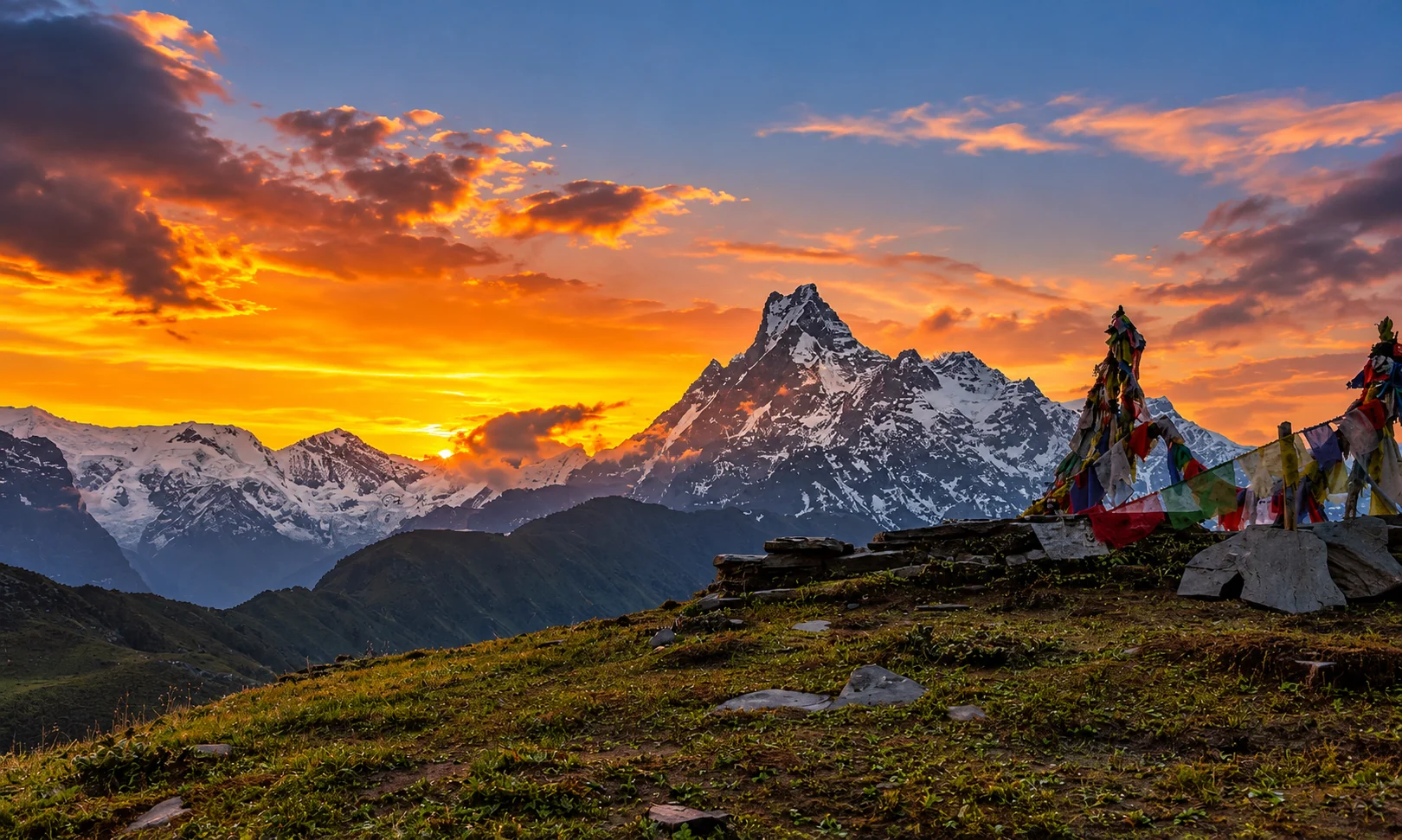
People living in the mountains are adapted to high-altitude life. Communities such as Sherpas, Thakalis, Manangis, and Lhopas have developed unique lifestyles closely connected to mountaineering, trade, yak farming, and Buddhism.
Hill Region
The hills are home to many communities including Gurungs, Magars, Tamangs, Newars, Rais, Limbus, Brahmins, Chhetris, and many others. Agriculture, tourism, business, education, and traditional craftsmanship play major roles in daily life.
Terai Region
The southern plains are culturally connected with both Nepal and northern India. Tharus, Madhesis, Muslims, Maithils, Rajbanshis, and several other communities contribute to Nepal's cultural richness.
Each community has its own traditions, clothing, language, cuisine, music, and celebrations, making Nepal one of the world's most culturally diverse countries.
Why Nepali People Are Famous for Their Hospitality
Hospitality is deeply rooted in Nepali culture. One of Nepal's traditional sayings is:
"Atithi Devo Bhava" meaning "The Guest is God."
Visitors are often welcomed with:
- A genuine smile
- Traditional "Namaste"
- Fresh flowers or garlands
- Local tea or refreshments
- Helpful guidance
- Respectful conversation
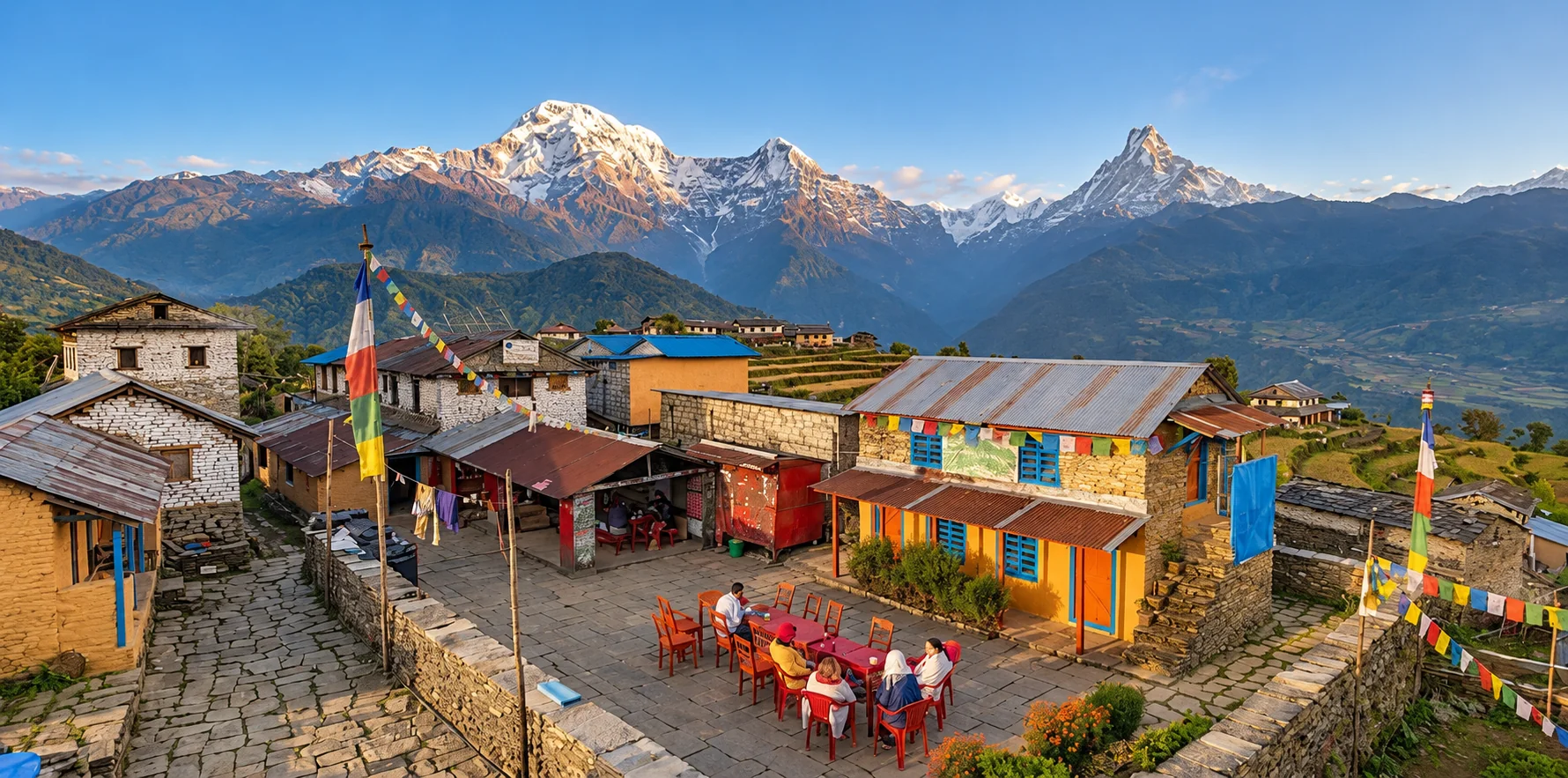
Even in remote villages where resources are limited, local families often share meals, offer shelter, and make visitors feel at home.
Unlike commercial tourism destinations where interactions may feel transactional, Nepal offers sincere human connections. Many travelers leave with lifelong friendships after spending time with local guides, porters, homestay hosts, and village families.
The Kindness of Nepali People
One quality visitors consistently mention is the kindness of Nepali people.
Whether asking for directions in Kathmandu or trekking through remote mountain trails, locals are generally willing to help without expecting anything in return.
Examples include:
- Helping travelers navigate unfamiliar streets.
- Offering tea during village visits.
- Assisting elderly visitors.
- Sharing local stories and traditions.
- Guiding lost trekkers toward the correct trail.
- Supporting guests during festivals and cultural events.
This natural generosity is part of everyday life rather than something reserved only for tourists.
Respect and Equality in Nepali Society
Modern Nepal values equality and mutual respect among all people regardless of nationality, religion, ethnicity, or background.
Visitors are encouraged to treat everyone with equal respect, including:
- Local families
- Hotel staff
- Trekking guides
- Porters
- Drivers
- Shopkeepers
- Temple caretakers
- Farmers
- Children
- Elderly citizens
Simple gestures such as greeting people politely, listening respectfully, and appreciating local customs create meaningful cultural exchanges.
Respect is one of the strongest bridges between visitors and local communities.
Nepali Culture and Daily Life
Culture in Nepal is a beautiful blend of ancient traditions and modern lifestyles.
Family remains the center of society. Multiple generations often live together, sharing responsibilities and celebrating festivals as one household.
Daily life commonly includes:
- Morning prayers
- Family meals
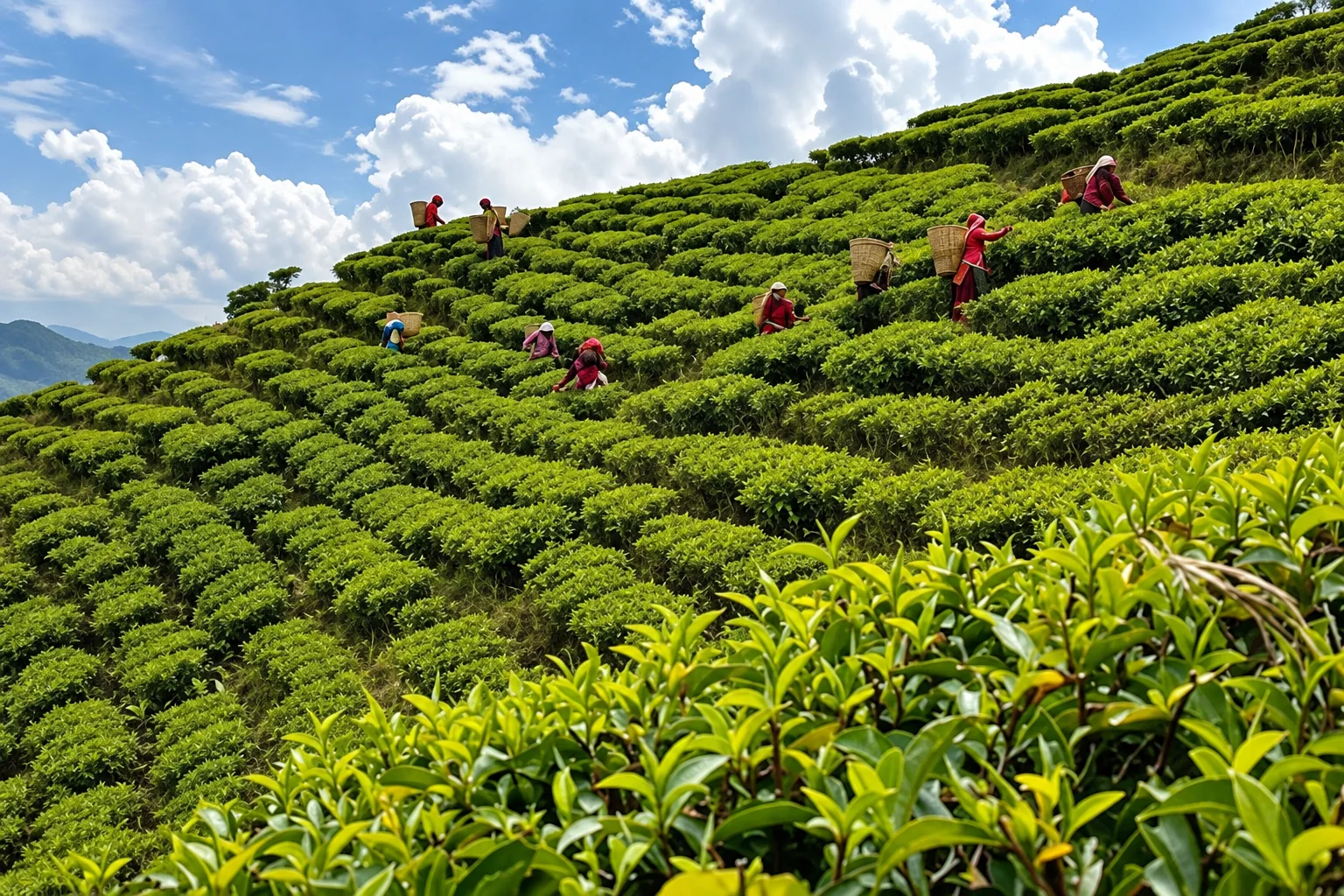
- Agricultural work
- School and education
- Local markets
- Religious visits
- Evening gatherings
Although cities are modernizing rapidly, traditional values continue to play an important role throughout the country.
Traditional Greeting: Namaste
One of the easiest ways to connect with Nepali people is by saying:
Namaste
This greeting is made by placing both palms together in front of the chest with a slight bow.
Namaste means much more than "hello." It expresses respect, gratitude, peace, and goodwill.
Using Namaste instead of a handshake is always appreciated, especially in villages and religious places.
How to Easily Connect with Nepali People
Building friendships in Nepal is surprisingly easy because locals are naturally approachable.
Here are some simple ways:
Learn a Few Nepali Words
Basic phrases include:
- Namaste – Hello
- Dhanyabad – Thank you
- Sanchai Chha? – How are you?
- Ramro Chha – Very good
Even a few words often bring smiles.
Show Genuine Interest
Ask about:
- Local traditions
- Festivals
- Food
- Family life
- Farming
- Mountains
- Local history
People enjoy sharing stories about their hometown.
Respect Local Customs
Remove shoes before entering homes and temples.
Dress modestly when visiting religious sites.
Always ask permission before photographing individuals.
Smile Often
A warm smile breaks language barriers more effectively than perfect grammar.
Religion in Nepal
Nepal is one of the world's most religiously harmonious countries.
The major religions include:
Hinduism
Hinduism is followed by the majority of the population.
Important beliefs include:
- Respect for nature
- Family values
- Karma
- Festivals
- Temple worship
Famous Hindu pilgrimage sites include Pashupatinath Temple, Muktinath Temple, Janaki Temple, and many sacred rivers.
Nepal is the birthplace of Lord Buddha.
Buddhist traditions are deeply woven into everyday life, especially around monasteries, stupas, and Himalayan communities.
Prayer flags, prayer wheels, monasteries, and peaceful meditation centers are common across Nepal.
Islam
Muslim communities contribute significantly to Nepal's cultural diversity through architecture, traditions, education, and cuisine.
Christianity
Christian communities continue to grow throughout Nepal and actively participate in education, healthcare, and social services.
Kirat and Indigenous Beliefs
Several indigenous communities continue practicing ancient spiritual traditions that emphasize harmony with nature, ancestral worship, and local rituals.
One remarkable aspect of Nepal is the peaceful coexistence among different religions. It is common to see temples, monasteries, churches, and mosques existing within the same neighborhoods.
Festivals That Bring People Together
Nepal celebrates festivals almost throughout the year.
Some of the biggest include:
- Dashain
- Tihar
- Holi
- Buddha Jayanti
- Teej
- Maha Shivaratri
- Indra Jatra
- Chhath
- Losar
- Maghe Sankranti
- Gai Jatra
During festivals, visitors often witness colorful processions, traditional dances, family gatherings, music, delicious food, and religious ceremonies.
Many local families happily invite guests to participate in celebrations.
Food Loved by Nepali People
Food is an important part of Nepali identity.
Dal Bhat
Dal Bhat is Nepal's national meal.
It usually includes:
- Rice
- Lentil soup
- Seasonal vegetables
- Pickles
- Curry
- Green leafy vegetables
- Meat (optional)
The saying "Dal Bhat Power, 24 Hour" reflects how this nutritious meal fuels daily life.
Momos
These steamed dumplings are Nepal's most popular snack.
They are available with vegetable, chicken, buffalo, pork, or paneer fillings.
Sel Roti
A homemade rice bread commonly prepared during festivals.
Thukpa
A comforting noodle soup popular in Himalayan regions.
Gundruk
Fermented leafy vegetables served as soup or side dishes.
Dhido
A traditional meal made from millet, buckwheat, or maize flour, especially popular in rural areas.
Chatamari
Often called Nepali rice pizza, especially popular among the Newar community.
Yomari
A steamed sweet dumpling filled with molasses and sesame seeds.
Every region of Nepal has its own unique culinary traditions, giving travelers the opportunity to experience diverse local flavors.
What Nepali People Appreciate From Tourists
Nepali people warmly welcome visitors from around the world. In return, they appreciate travelers who show respect and responsibility.
Visitors are encouraged to:
- Respect local customs.
- Protect nature.
- Avoid littering.
- Dress appropriately in religious places.
- Support local businesses.
- Hire licensed guides.
- Respect wildlife.
- Learn about local traditions.
- Ask permission before taking photographs.
- Be patient and polite.
Responsible tourism benefits both visitors and local communities.
Community Life in Nepal
Community cooperation remains one of Nepal's strongest values.
Neighbors often help one another during:
- Weddings
- Religious ceremonies
- Harvest seasons
- House construction
- Community festivals
- Natural disasters
This strong sense of unity creates welcoming environments for visitors as well.
Education and Modern Nepal
Nepal is developing rapidly.
Young people are increasingly engaged in:
- Higher education
- Tourism
- Technology
- Entrepreneurship
- Environmental conservation
- International business
English is widely spoken in tourist destinations, hotels, trekking regions, and major cities, making communication easier for international travelers.
Women in Nepali Society
Women play vital roles in Nepal's families, businesses, agriculture, tourism, education, healthcare, and entrepreneurship.
Visitors will meet female guides, hotel managers, trekking leaders, entrepreneurs, artisans, teachers, and conservation professionals contributing to Nepal's development.
Responsible Cultural Tourism
Experiencing local life respectfully creates more meaningful travel experiences.
Some responsible travel practices include:
- Choosing community-based tourism.
- Staying in local homestays.
- Purchasing handmade crafts.
- Supporting local restaurants.
- Respecting cultural traditions.
- Reducing plastic waste.
- Following trekking regulations.
- Preserving heritage sites.
Responsible travelers help protect Nepal's culture for future generations.
(FAQs)
1. Who are the people of Nepal?
Nepal is home to more than 125 ethnic groups and over 120 languages. Its people are known for their cultural diversity, warm hospitality, and peaceful coexistence, making Nepal one of the most culturally rich countries in the world.
2. Why are Nepali people known for their hospitality?
Nepali people believe in treating guests with great respect. Their welcoming nature, kindness, and willingness to help visitors make travelers feel at home throughout the country.
3. Are Nepali people friendly toward foreign tourists?
Yes. Nepali people are widely recognized for their friendliness and genuine hospitality. Visitors are often greeted warmly and receive helpful assistance wherever they travel.
4. What is the traditional greeting in Nepal?
The traditional greeting is "Namaste," where both palms are joined together with a slight bow. It is a respectful greeting used throughout Nepal.
5. What languages do people speak in Nepal?
Nepali is the official language, but more than 120 indigenous languages are spoken across the country. English is commonly spoken in major tourist destinations.
6. What religions do people follow in Nepal?
Nepal is home to Hinduism, Buddhism, Islam, Christianity, Kirat, and other indigenous faiths. People of different religions live together peacefully and celebrate each other's festivals.
7. Why is Nepal famous for religious harmony?
Nepal is known for the peaceful coexistence of multiple religions. Temples, monasteries, churches, and mosques often exist within the same communities, reflecting mutual respect and tolerance.
8. What are the major festivals celebrated in Nepal?
Major festivals include Dashain, Tihar, Holi, Buddha Jayanti, Indra Jatra, Losar, Teej, Chhath, Maha Shivaratri, and Maghe Sankranti.
9. What is the national food of Nepal?
Dal Bhat, served with lentil soup, rice, vegetables, pickles, and optional meat, is the traditional and most popular meal throughout Nepal.
10. What other foods should I try in Nepal?
Popular dishes include Momos, Sel Roti, Dhido, Thukpa, Gundruk, Chatamari, Yomari, Choila, Sekuwa, and Newari cuisine.
11. How can I connect with Nepali people during my trip?
Learn a few Nepali phrases, greet people with "Namaste," respect local customs, visit local markets, join cultural tours, and stay in community homestays.
12. What do Nepali people expect from tourists?
They appreciate visitors who respect local traditions, protect nature, dress appropriately at religious sites, support local businesses, and interact politely with local communities.
13. What should tourists avoid while visiting Nepal?
Avoid littering, disrespecting religious sites, entering temples with shoes, taking photos without permission, and behaving loudly in cultural or sacred places.
14. Which destinations offer the best cultural experience in Nepal?
Kathmandu, Bhaktapur, Patan, Bandipur, Ghandruk, Janakpur, Tansen, Lumbini, Khokana, and Mustang provide authentic cultural experiences.
15. Which villages are best for experiencing traditional Nepali life?
Ghandruk, Ghalegaun, Sirubari, Barpak, Khokana, Bungamati, Bandipur, and Tharu villages in Chitwan offer rich cultural experiences.
16. Which is the best nearby cultural destination from Kathmandu?
Bhaktapur, Patan, Kirtipur, Panauti, and Bungamati are among the best nearby destinations to experience authentic Newari culture and heritage.
17. Which is the best offbeat cultural destination in Nepal?
Bandipur, Tansen, Ghalegaun, Sirubari, Barpak, and Khokana are excellent offbeat destinations for travelers interested in local culture and traditions.
18. Which destination is a good choice for families interested in Nepali culture?
Kathmandu Valley, Pokhara, Bandipur, Chitwan, Lumbini, and Bhaktapur offer family-friendly cultural experiences suitable for all ages.
19. What are the best things to do to experience Nepali culture?
Visit UNESCO World Heritage Sites, explore local markets, attend festivals, enjoy homestays, taste traditional food, watch cultural performances, and interact with local communities.
20. Where can I relax and reconnect with Nepali culture and nature?
Nagarkot, Bandipur, Dhulikhel, Pokhara, Ghandruk, and Lumbini offer peaceful surroundings where visitors can experience both culture and natural beauty.
21. Is Nepal suitable for wellness and cultural travel?
Yes. Nepal combines yoga retreats, meditation centers, spiritual sites, mountain landscapes, and cultural experiences, making it ideal for wellness and meaningful travel.
22. What is the ideal duration to experience the culture of Nepal?
A 7 to 10-day trip allows travelers to explore Kathmandu Valley, Pokhara, Bandipur, Chitwan, or Lumbini while experiencing local traditions and daily life.
23. What makes the people of Nepal unique?
Nepali people are admired for their hospitality, religious harmony, cultural diversity, strong family values, humility, resilience, and welcoming attitude toward visitors.
24. When is the best time to experience Nepali festivals and local culture?
Spring (March to May) and autumn (September to November) offer pleasant weather and coincide with many of Nepal's biggest cultural festivals.
25. Who should visit Nepal for a cultural experience?
Nepal is ideal for families, couples, solo travelers, photographers, students, spiritual seekers, history enthusiasts, and anyone interested in authentic cultural experiences.
26. Is Nepal a good destination for first-time international travelers?
Yes. Nepal is a welcoming country with friendly people, good tourism infrastructure, experienced guides, and diverse attractions suitable for first-time visitors.
27. How can I experience the real Nepal beyond the tourist hotspots?
Visit traditional villages like Ghandruk, Ghalegaun, Sirubari, Bandipur, and Khokana, stay in local homestays, enjoy authentic cuisine, and travel with knowledgeable local guides.
28. Which places best showcase Nepal's cultural and religious heritage?
Kathmandu, Bhaktapur, Patan, Lumbini, Janakpur, Pashupatinath, Boudhanath, Swayambhunath, and Muktinath are among Nepal's most important cultural and spiritual destinations.
29. Why should I book a cultural tour through Khushi Travels and Consulting Group Pvt. Ltd.?
Khushi Travels provides customized cultural tours, heritage sightseeing, village experiences, trekking, pilgrimage journeys, transportation, hotel bookings, licensed guides, air ticketing, and personalized itineraries that help travelers experience Nepal's authentic culture with comfort and confidence.
30. How can Khushi Travels help me experience authentic Nepali hospitality?
Khushi Travels connects travelers with local communities, experienced guides, cultural villages, heritage sites, traditional festivals, and customized travel experiences. Their professional team ensures every visitor enjoys genuine Nepali hospitality while exploring the country's people, culture, traditions, and breathtaking landscapes.
How Khushi Travels and Consulting Group Helps You Experience Authentic Nepal
Exploring Nepal becomes much more rewarding when guided by experienced local travel professionals.
Khushi Travels and Consulting Group Pvt. Ltd., based in Kathmandu, provides comprehensive travel services designed to help visitors discover the country's people, culture, landscapes, and traditions with confidence and comfort.
The company offers a wide range of services, including:
- Customized Nepal tour packages
- Cultural and heritage tours
- Trekking and hiking adventures
- Pilgrimage tours
- Wildlife safaris
- Luxury holidays
- Family vacations
- Honeymoon packages
- Village and homestay experiences
- Adventure activities
- Domestic and international air ticket booking
- Hotel reservations
- Tourist transportation and vehicle rental
- Airport transfers
- Professional licensed tour guides
- Group tours and corporate travel
- Educational and student tours
- Visa assistance and travel consultation
Every itinerary is carefully planned to match travelers' interests, schedule, budget, and travel style.
One of the greatest advantages of traveling with Khushi Travels is the opportunity to experience authentic local culture rather than simply visiting famous landmarks. Their knowledgeable guides introduce travelers to traditional communities, local cuisine, historical sites, festivals, and hidden destinations while ensuring comfort, safety, and responsible tourism practices throughout the journey.
Whether you are visiting Nepal for a spiritual pilgrimage, an adventure in the Himalayas, a family holiday, or a cultural exploration, Khushi Travels provides professional support from arrival to departure, allowing you to focus on creating unforgettable memories.
Why Visitors Fall in Love with Nepal
Travelers often arrive in Nepal expecting breathtaking mountains, ancient temples, and exciting adventures.
They leave remembering something even more valuable.
The smiling tea shop owner.
The guide who became a lifelong friend.
The family who invited them for dinner.
The child who greeted them with a cheerful "Namaste."
The porter who encouraged them during a difficult climb.
These simple human connections create unforgettable travel experiences that cannot be found on a map.
Nepal is not just a destination to visit. It is a place where strangers become friends and where every interaction reflects the country's timeless values of kindness, humility, respect, and compassion.
Contact Khushi Travels and Consulting Group
Ready to plan your dream trekking adventure or holiday in Nepal?
Our experienced travel experts are here to help you design a personalized itinerary that perfectly matches your interests, travel style, schedule, and budget. Whether you're planning your first visit to Nepal or returning to explore new Himalayan trails, we are committed to providing professional guidance and exceptional service every step of the way.
Khushi Travels and Consulting Group Pvt. Ltd.
📧 General Inquiries: info@khushiservice.com
📧 Bookings: booking@khushiservice.com
📞 Phone / WhatsApp: +977 9768988868
☎️ Office: +977 014975759
📍 Office Address: Sorakhutte-16, Thamel, Kathmandu, Nepal
🌐 Website: www.khushiservice.com
Let Khushi Travels and Consulting Group be your trusted local travel partner in Nepal. Contact us today and allow our experienced team to turn your dream journey into an unforgettable adventure filled with breathtaking landscapes, rich culture, warm hospitality, and lifelong memories.
Final Thoughts
The people of Nepal are the heart and soul of the nation. Their hospitality, cultural diversity, religious harmony, strong family values, and welcoming spirit make Nepal one of the most rewarding destinations in the world for meaningful travel. From vibrant cities to remote Himalayan villages, every encounter offers an opportunity to learn, connect, and appreciate a culture built on respect, generosity, and community.
If you want to experience the true essence of Nepal beyond sightseeing, choosing a trusted local travel partner makes all the difference. Khushi Travels and Consulting Group Pvt. Ltd. is committed to providing professional travel planning, authentic cultural experiences, comfortable transportation, quality accommodations, expert guides, and personalized tour services. Whether your dream is to explore heritage sites, trek through the Himalayas, enjoy local cuisine, celebrate festivals, or connect with the warm-hearted people of Nepal, Khushi Travels ensures your journey is safe, memorable, and filled with genuine Nepali hospitality from beginning to end.
Similar Blogs
We are associated with