Annapurna Conservation Area: Nepal’s Living Himalayan Sanctuary

The Annapurna Conservation Area (ACA) is Nepal’s largest protected area and one of the most diverse landscapes in the world. Stretching from lush subtropical forests to the high Himalayan desert near Mustang, this region is not only a trekking paradise but also a successful model of community-based conservation in Nepal.
From iconic mountain views to rich Gurung, Thakali, and Manangi cultures, the Annapurna region offers travelers a perfect combination of nature, culture, and adventure.
About ACAP – What It Is and What It Does
The Annapurna Conservation Area Project (ACAP) was launched in 1986 under the National Trust for Nature Conservation. It was Nepal’s first conservation area project and remains a global example of sustainable tourism and environmental protection.
🌿 Key Roles of ACAP in Nepal
1. Environmental Conservation
- Protects forests, wildlife, and water sources
- Controls deforestation and promotes tree plantation
- Manages waste and encourages eco-friendly trekking
2. Community Development
- Supports local schools and health posts
- Promotes alternative energy (solar, biogas, improved stoves)
- Encourages women’s empowerment programs
3. Sustainable Tourism Management
- Regulates trekking permits
- Trains local guides and tourism entrepreneurs
- Maintains trails, signage, and trekking routes
ACAP’s success lies in its community-based model, where local people actively participate in protecting their own environment while benefiting from tourism income.
Tourist Attractions in Annapurna Conservation Area
The Annapurna region offers something for every traveler- from short scenic hikes to high-altitude adventures.
🏔 1. Annapurna Base Camp (ABC)
One of Nepal’s most popular treks, leading to the base of Annapurna I (8,091m). The trek passes through forests, waterfalls, and traditional villages before reaching a breathtaking amphitheater of snow-capped peaks.
🌄 2. Ghorepani – Poon Hill
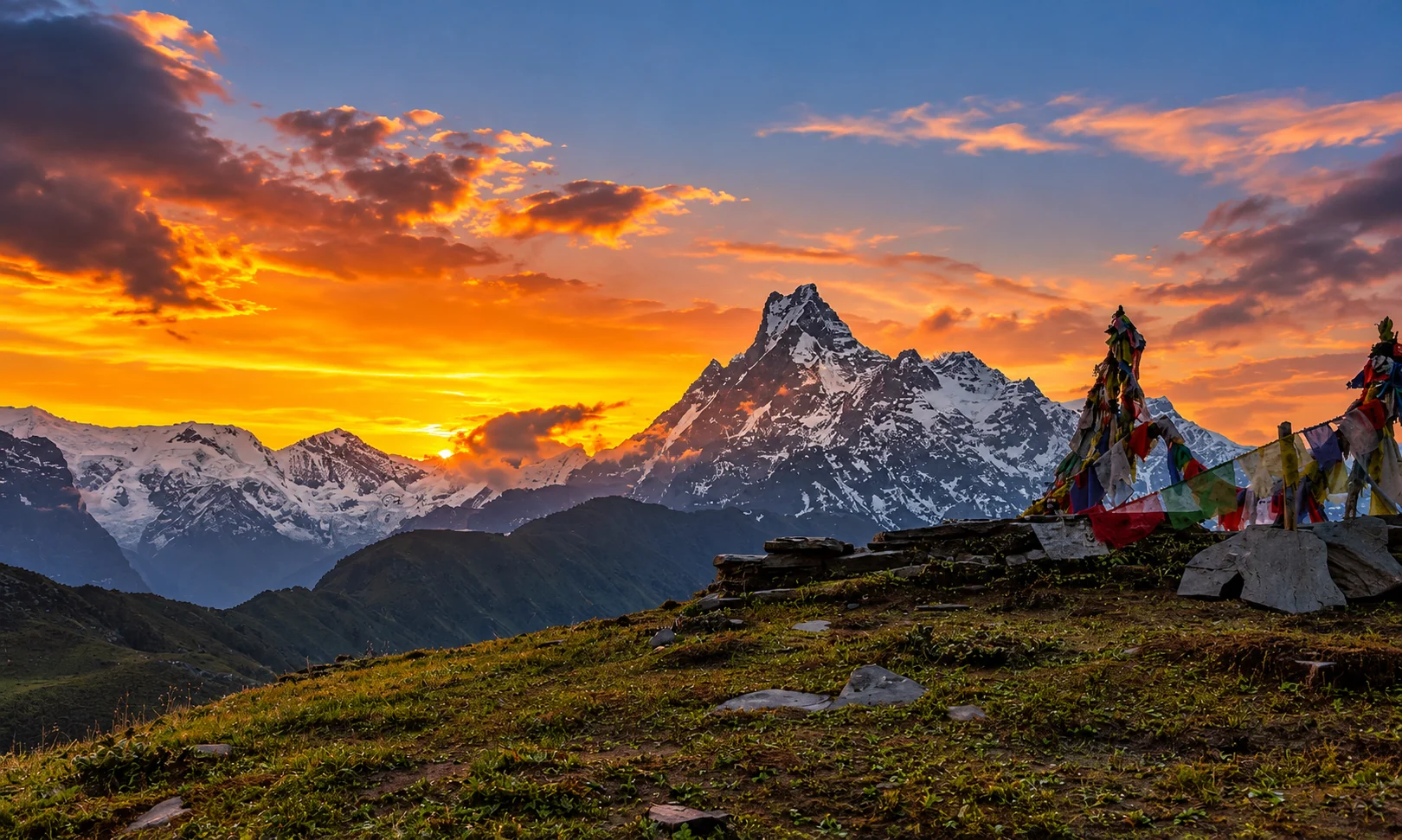
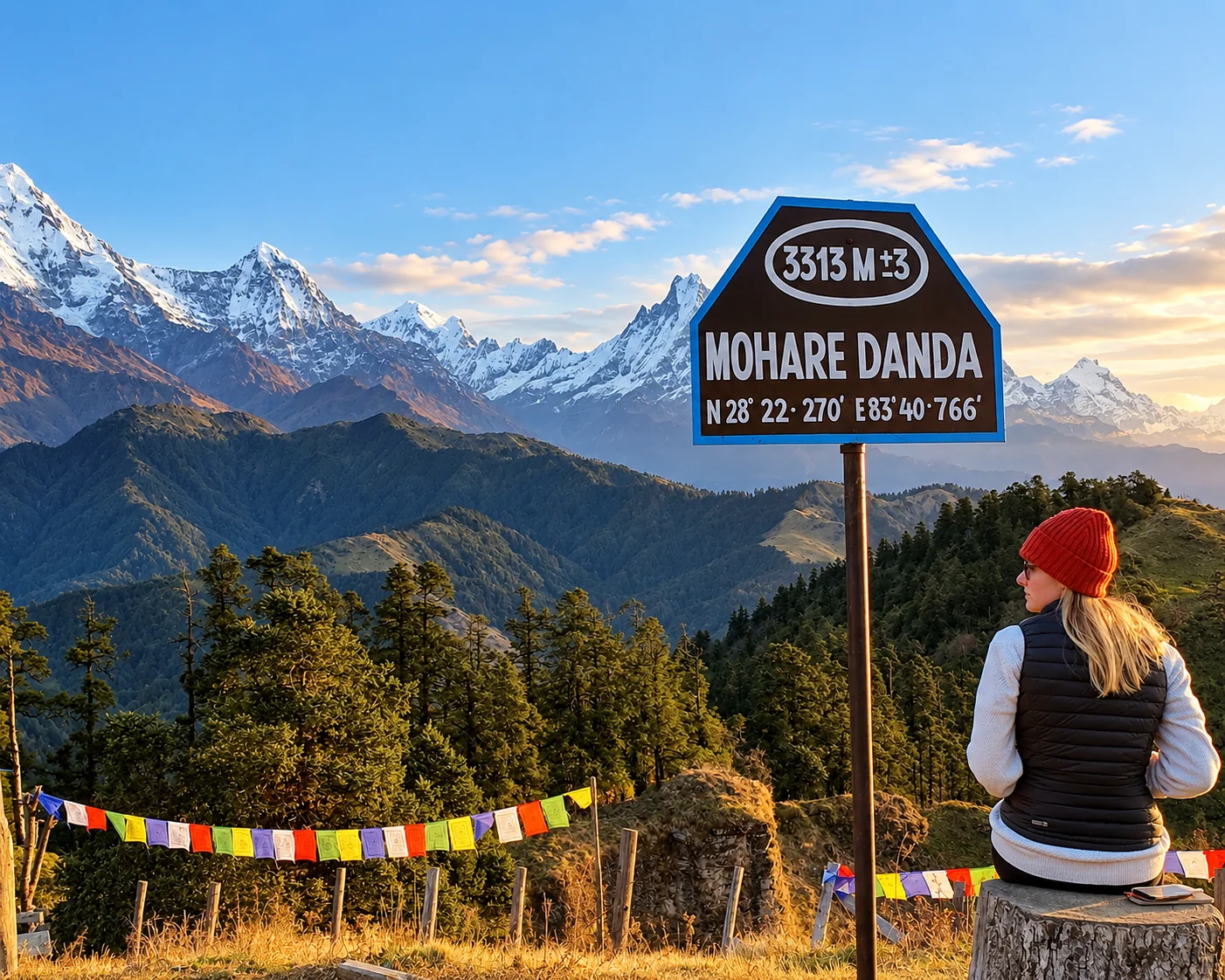
A short and rewarding trek famous for sunrise views over Annapurna and Dhaulagiri ranges. Ideal for beginners and families.
🏔 3. Tilicho Lake
Tilicho Lake is one of the highest lakes in the world, offering dramatic landscapes and adventurous trekking experiences.
🏜 4. Upper Mustang
A unique Himalayan desert landscape with Tibetan-influenced culture and ancient monasteries.
🏘 5. Ghandruk Village
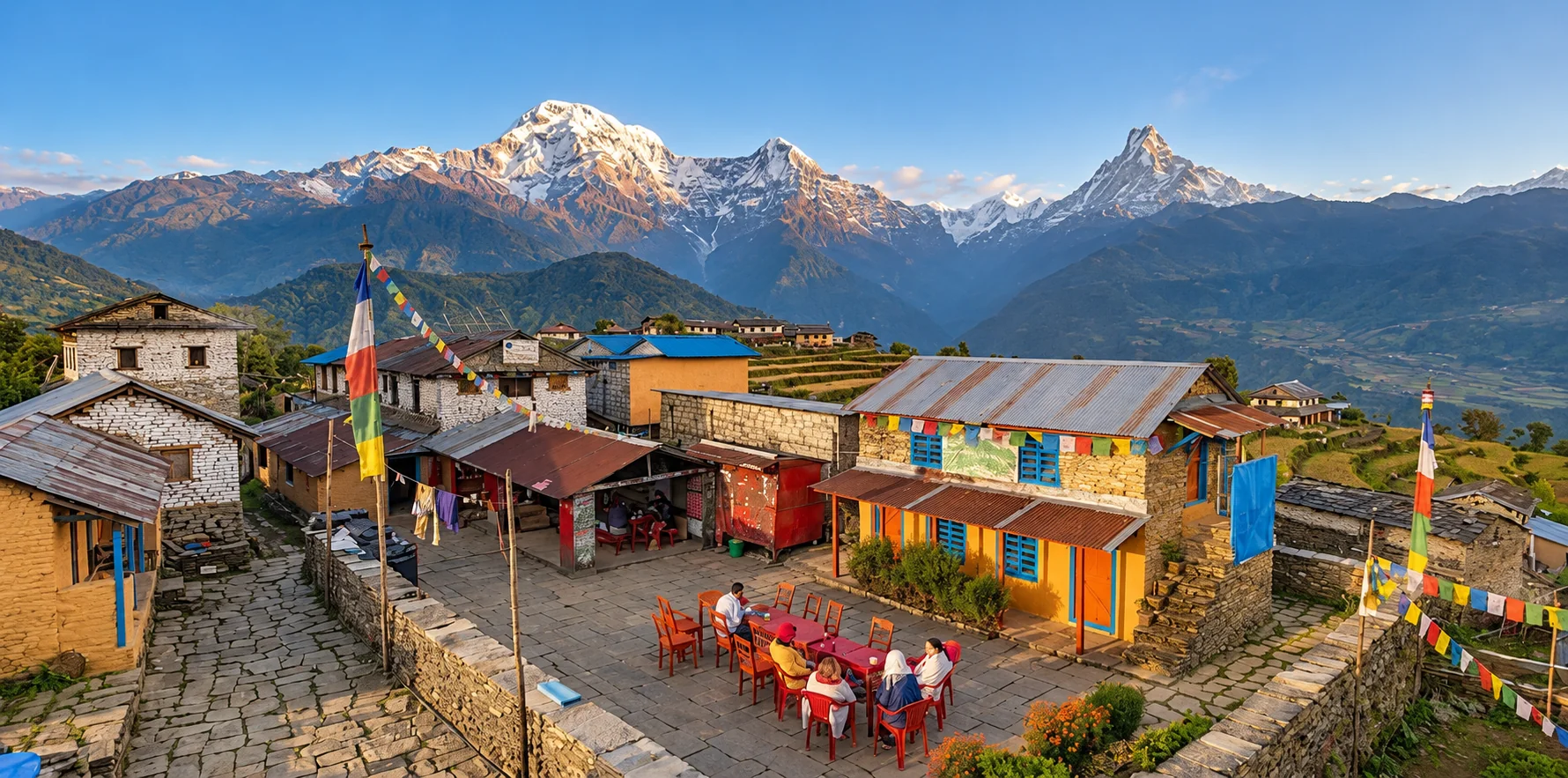
Ghandruk is a beautiful Gurung settlement known for stone houses, cultural museums, and stunning mountain views.
🐾 Wildlife & Biodiversity
The conservation area is home to:
- Snow leopards
- Himalayan thar
- Musk deer
- Hundreds of bird species
Access to Annapurna Conservation Area
✈ By Air
- Fly to Pokhara from Kathmandu (25 minutes).
- From Pokhara, drive to Nayapul, Ghandruk, or other trekking starting points.
🚗 By Road
- Tourist buses and private vehicles connect Kathmandu to Pokhara (6-8 hours).
- Jeep access is available to certain trekking trailheads.
📝 Permits Required
- ACAP Permit
- TIMS Card (Trekkers Information Management System)
Permits can be arranged easily through registered trekking companies.
Accommodation Options
The Annapurna region offers a wide range of accommodation depending on your route:
🏨 Tea Houses
- Most common option for trekkers
- Basic but comfortable rooms
- Local food and warm hospitality
🏕 Eco-Lodges
- Solar-powered and environmentally friendly
- Promoted under ACAP’s sustainable tourism model
🌟 Luxury Lodges
- Available in certain routes (like ABC and Ghorepani)
- Comfortable rooms with attached bathrooms
Accommodation quality improves each year due to tourism growth and ACAP regulations.
Do's and Don'ts in Annapurna Region
✅ Do's
- Respect local culture and traditions
- Carry reusable water bottles
- Hire licensed guides and porters
- Walk on marked trails
- Acclimatize properly at high altitude
❌ Don'ts
- Do not litter or burn plastic
- Avoid disturbing wildlife
- Do not enter monasteries without permission
- Avoid loud behavior in villages
- Do not underestimate altitude sickness
Responsible travel ensures the beauty of the Annapurna region remains preserved for future generations.
Why Visit Annapurna Conservation Area?
The Annapurna Conservation Area is more than a trekking destination. It is a living example of how tourism, conservation, and community development can work together. Every step you take in this region supports local livelihoods and environmental protection.
Whether you are seeking short scenic hikes, high mountain adventures, cultural immersion, or photography tours, Annapurna offers unforgettable experiences.
Travel With Khushi Travels and Consulting Group
If you are planning to explore the Annapurna region, Khushi Travels and Consulting Group provides professional tour and trekking services across all regions of Nepal - including the Annapurna Conservation Area.
We offer:
- Customized trekking packages
- Experienced licensed guides
- Permit arrangements
- Comfortable accommodations
- Cultural and adventure tours
From short hikes like Ghorepani- Poon Hill to full Annapurna Circuit and Annapurna Base Camp treks, we ensure safe, responsible, and memorable journeys.
📍 Explore Nepal with confidence.
📞 Contact Khushi Travels and Consulting Group for your next Himalayan adventur
Similar Blogs
We are associated with