Entrance Fees In Sightseeing Spots In Nepal

1. UNESCO World Heritage Sites Entrance Fees
| UNESCO Heritage Site | Nepali Citizens | SAARC Nationals | Foreign Tourists |
|---|---|---|---|
| Kathmandu Durbar Square | Free | NPR 500 | NPR 1,000 |
| Patan Durbar Square | Free | NPR 250 | NPR 1,000 |
| Bhaktapur Durbar Square | Free | NPR 500 | NPR 2,000 |
| Swayambhunath Stupa | Free | NPR 100 | NPR 200 |
| Boudhanath Stupa | Free | NPR 100 | NPR 400 |
| Changu Narayan Temple | Free | NPR 300 | NPR 400 |
| Pashupatinath Temple Monument Area | Free | Free | NPR 1,000 |
| Lumbini Sacred Garden | Free | NPR 100–200 | NPR 200–500 |
Fees may vary depending on museum access and local authority revisions.
2. National Park Entrance Fees
| National Park | Nepali | SAARC | Foreign |
|---|---|---|---|
| Chitwan National Park | NPR 150 + VAT | NPR 1,000 + VAT | NPR 2,000 + VAT |
| Sagarmatha National Park | NPR 100 | NPR 1,500 | NPR 3,000 |
| Langtang National Park | NPR 100 | NPR 1,500 | NPR 3,000 |
| Shivapuri Nagarjun National Park | NPR 100 | NPR 600 | NPR 1,000 |
| Rara National Park | NPR 100 | NPR 1,500 | NPR 3,000 |
| Shey Phoksundo National Park | NPR 100 | NPR 1,500 | NPR 3,000 |
| Bardiya National Park | NPR 100 | NPR 1,000 | NPR 1,500 |
| Banke National Park | NPR 100 | NPR 1,000 | NPR 1,500 |
| Khaptad National Park | NPR 100 | NPR 1,000 | NPR 1,500 |
3. Conservation Area Permit Fees
| Conservation Area | Nepali | SAARC | Foreign |
|---|---|---|---|
| Annapurna Conservation Area (ACAP) | NPR 100 | NPR 1,000 | NPR 3,000 |
| Manaslu Conservation Area | NPR 100 | NPR 1,000 | NPR 3,000 |
| Kanchenjunga Conservation Area | NPR 100 | NPR 1,000 | NPR 3,000 |
| Gaurishankar Conservation Area | NPR 100 | NPR 1,000 | NPR 3,000 |
| Api Nampa Conservation Area | NPR 100 | NPR 1,000 | NPR 3,000 |
| Blackbuck Conservation Area | NPR 100 | NPR 1,000 | NPR 3,000 |
4. Wildlife Reserve Entrance Fees
| Wildlife Reserve | Nepali | SAARC | Foreign |
|---|---|---|---|
| Koshi Tappu Wildlife Reserve | NPR 100 | NPR 1,000 | NPR 1,500 |
| Parsa Protected Area | NPR 100 | NPR 1,000 | NPR 1,500 |
| Shuklaphanta National Park | NPR 100 | NPR 1,000 | NPR 1,500 |
5. Restricted Area Permit Fees
| Restricted Area | Permit Fee |
|---|---|
| Upper Mustang | USD 500 per person (first 10 days), then USD 50 per day |
| Upper Dolpo | USD 500 per person (first 10 days), then USD 50 per day |
| Nar Phu Valley | Sept–Nov: USD 100/week, Dec–Aug: USD 75/week |
| Tsum Valley | Sept–Nov: USD 40/week, Dec–Aug: USD 30/week |
| Manaslu Restricted Area | Sept–Nov: USD 100/week, then USD 15/day; Dec–Aug: USD 75/week, then USD 10/day |
| Humla Restricted Areas | Varies by itinerary and duration |
6. Popular Trekking Route Permit Fees
| Trekking Region | Required Permit(s) | Approximate Fee |
|---|---|---|
| Everest Base Camp | Sagarmatha National Park + Khumbu Municipality Permit | NPR 3,000 + Local Permit |
| Annapurna Base Camp | ACAP Permit | NPR 3,000 |
| Annapurna Circuit | ACAP Permit | NPR 3,000 |
| Langtang Valley | Langtang National Park Permit | NPR 3,000 |
| Mardi Himal Trek | ACAP Permit | NPR 3,000 |
| Khopra Ridge Trek | ACAP Permit | NPR 3,000 |
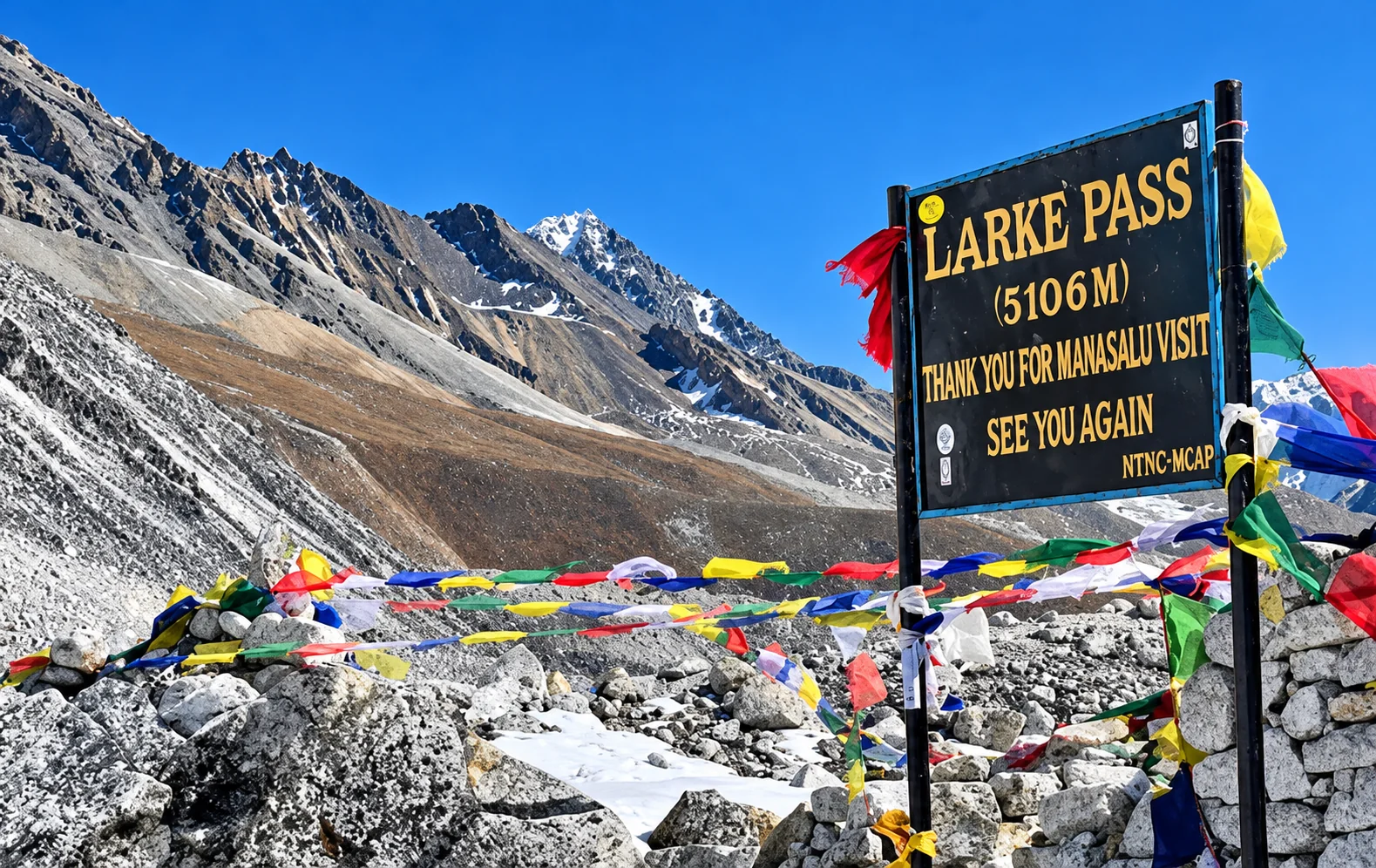
| Manaslu Circuit | RAP + MCAP + ACAP | Multiple permits required |
7. Peak Climbing Permit Fees (Indicative)
| Peak | Spring | Autumn | Winter/Summer |
|---|---|---|---|
| Island Peak | USD 250 | USD 125 | USD 70 |
| Mera Peak | USD 250 | USD 125 | USD 70 |
| Lobuche East | USD 250 | USD 125 | USD 70 |
| Pisang Peak | USD 250 | USD 125 | USD 70 |
| Yala Peak | As per current authority regulations |
8. Government Royalty for Major Himalayan Expeditions
| Mountain | Government Royalty (Approx.) |
|---|---|
| Mount Everest (Spring) | USD 15,000 per climber |
| Mount Everest (Autumn) | Lower seasonal rate |
| Mount Everest (Winter/Summer) | Reduced seasonal rate |
| Mountains above 8,000 m | Varies by mountain |
| 7,000–7,999 m Peaks | Government prescribed royalty |
| 6,500–6,999 m Peaks | Government prescribed royalty |
Expedition costs also include liaison officer fees, garbage deposits, insurance, logistics, route management, and other government charges.
9. Other Popular Sightseeing Attractions
| Attraction | Nepali | SAARC | Foreign |
|---|---|---|---|
| Narayanhiti Palace Museum | NPR 100 | NPR 250 | NPR 500 |
| Mahendra Cave | NPR 50 | NPR 100 | NPR 100 |
| Davis Falls | NPR 20 | NPR 30 | NPR 30 |
| Chitwan Elephant Breeding Centre | NPR 25 | NPR 50 | NPR 100 |
| Ethnographic Museum | NPR 30 | NPR 200 | NPR 200 |
Nepal is one of the world's most diverse travel destinations. Within a relatively small geographical area, travelers can experience ancient UNESCO World Heritage Sites, centuries old temples, medieval palaces, Himalayan trekking routes, wildlife safaris, sacred pilgrimage sites, mountain expeditions, and cultural villages. Every year, millions of domestic and international visitors travel across Nepal to experience its remarkable natural beauty and cultural heritage.
One question that almost every traveler asks before visiting Nepal is:
"How much are the entrance fees for sightseeing spots in Nepal?"
The answer depends on the destination, visitor nationality, and the type of attraction. Some sites require only a small entrance ticket, while trekking regions require conservation permits, and mountaineering expeditions involve government royalties and climbing permits.
This comprehensive guide explains everything you need to know about entrance fees in Nepal, including UNESCO World Heritage Sites, historical monuments, trekking permits, national parks, conservation areas, restricted regions, wildlife reserves, mountain climbing royalties, and the differences in pricing for Nepali citizens, SAARC nationals, and foreign visitors.
Whether you are planning a cultural holiday, wildlife safari, trekking adventure, pilgrimage, or Himalayan expedition, understanding Nepal's entrance fee system helps you prepare your travel budget more efficiently.
What Are Entrance Fees?
Entrance fees are official charges collected by the Government of Nepal or authorized organizations that allow visitors to enter protected, historical, religious, cultural, or environmentally significant locations.
These fees contribute toward:
- Heritage conservation
- Temple and monument maintenance
- Restoration of historical buildings
- Trail maintenance
- National park management
- Wildlife conservation
- Environmental protection
- Waste management
- Tourism infrastructure
- Local community development
- Visitor safety and information services
Rather than being a simple ticket price, entrance fees play an important role in protecting Nepal's tourism assets for future generations.
Why Does Nepal Charge Entrance Fees?
Many travelers wonder why famous destinations require entrance tickets.
There are several important reasons.
Heritage Preservation
Ancient temples, stupas, monasteries, palaces, and archaeological sites require continuous restoration and maintenance.
Conservation of Nature
National parks and conservation areas protect endangered wildlife including:
- Bengal Tigers
- One-horned Rhinoceros
- Snow Leopards
- Red Pandas
- Himalayan Tahr
- Musk Deer
- Black Bears
Tourism revenue directly supports conservation efforts.
Infrastructure Development
Fees help improve:
- Walking trails
- Visitor centers
- Public toilets
- Signboards
- Bridges
- Safety measures
- Waste management systems
Community Benefits
Many protected areas share tourism income with local communities to encourage sustainable tourism and conservation.
Categories of Entrance Fees in Nepal
Nepal has several categories of tourism-related entrance fees.
These include:
- UNESCO World Heritage Sites
- Historical monuments
- Museums
- National parks
- Conservation areas
- Wildlife reserves
- Hunting reserve permits
- Trekking permits
- Restricted area permits
- Municipality sightseeing fees
- Religious monument tickets
- Peak climbing permits
- Expedition royalties
- Photography or filming permits (where applicable)
Entrance Fees at UNESCO World Heritage Sites
Nepal has ten UNESCO World Heritage Sites, including seven cultural heritage monuments inside Kathmandu Valley.
These sites generally have separate entrance fees for:
- Nepali citizens
- SAARC nationals
- Foreign visitors
Common UNESCO heritage sites include:
- Kathmandu Durbar Square
- Patan Durbar Square
- Bhaktapur Durbar Square
- Swayambhunath Stupa
- Boudhanath Stupa
- Pashupatinath Temple (foreign visitors only inside the monument area)
- Changu Narayan Temple
Foreign visitors generally pay higher entrance fees because tourism revenue supports restoration and preservation of these globally significant monuments.
Many heritage sites also offer discounted rates for students with valid identification.
Sightseeing Monument Entrance Fees
Apart from UNESCO sites, Nepal has hundreds of cultural attractions requiring entrance tickets.
Examples include:
- Museums
- Royal palaces
- Archaeological sites
- Botanical gardens
- Historical forts
- Observation towers
- Religious monuments
- Cultural museums
Ticket prices vary depending on local government policies and maintenance costs.
Some smaller attractions charge minimal fees, while major monuments attract higher entrance charges.
National Park Entrance Fees
Nepal has numerous protected national parks covering diverse ecosystems from the tropical Terai to the high Himalayas.
Popular national parks include:
- Chitwan National Park
- Sagarmatha National Park
- Langtang National Park
- Bardiya National Park
- Rara National Park
- Khaptad National Park
- Shey Phoksundo National Park
- Shivapuri Nagarjun National Park
- Banke National Park
- Makalu Barun National Park
National park entrance fees help fund:
- Wildlife conservation
- Anti-poaching operations
- Ranger patrols
- Visitor facilities
- Research
- Habitat protection
- Environmental education
Visitors normally purchase park entry permits before entering protected areas.
Conservation Area Entry Fees
Several famous trekking destinations fall inside conservation areas rather than national parks.
These include:
- Annapurna Conservation Area
- Manaslu Conservation Area
- Gaurishankar Conservation Area
- Kanchenjunga Conservation Area
- Api Nampa Conservation Area
Conservation area permits are mandatory for trekking.
Revenue supports:
- Trail maintenance
- Suspension bridge construction
- Community schools
- Environmental conservation
- Waste management
- Sustainable tourism
Many trekking routes require both conservation permits and TIMS registration, depending on current government regulations and trekking policies.
Wildlife Reserve Entrance Fees
Nepal also protects wildlife through wildlife reserves and protected habitats.
Examples include:
- Koshi Tappu Wildlife Reserve
- Parsa Wildlife Reserve (protected area management)
- Blackbuck Conservation Area
These destinations are famous for:
- Bird watching
- Wildlife photography
- Wetland conservation
- Rare species protection
Entrance fees contribute directly to habitat conservation and visitor management.
Trekking Route Permit Fees
Most popular trekking routes require permits before entering protected regions.
Examples include:
Everest Region
Visitors require the necessary local entry permits and park permits applicable to the region.
Annapurna Region
Trekkers need conservation permits before beginning their trek.
Langtang Region
National park permits are required.
Manaslu Circuit
Requires:
- Restricted Area Permit
- Conservation Area Permit
- Annapurna Conservation Permit (depending on itinerary)
Kanchenjunga Trek
Requires conservation permits and special trekking regulations.
Permit fees vary depending on:
- Trek duration
- Nationality
- Season
- Restricted area rules
Restricted Area Permit Fees
Certain parts of Nepal are classified as restricted areas to preserve fragile ecosystems, cultural heritage, and border security.
Popular restricted regions include:
- Upper Mustang
- Upper Dolpo
- Nar Phu Valley
- Tsum Valley
- Humla
- Manaslu Restricted Section
These permits are significantly more expensive than standard trekking permits.
Restricted area permits usually require:
- Licensed trekking agency
- Government-registered guide
- Minimum group size (where applicable)
- Pre-approved itinerary
The fees collected support administration, security, conservation, and local development.
Peak Climbing Permit Fees
Nepal is home to hundreds of officially recognized trekking peaks and climbing peaks.
Popular climbing peaks include:
- Island Peak
- Mera Peak
- Lobuche East
- Pisang Peak
- Yala Peak
Peak climbing permits are issued through the appropriate government authorities or designated organizations.
Permit fees vary according to:
- Season
- Peak altitude
- Peak popularity
- Expedition size
Government Charges for Mountain Expeditions
Mount Everest and other Himalayan mountains require government climbing permits.
Expedition fees are among the highest tourism charges in Nepal.
Major expedition costs include:
- Government climbing royalty
- Expedition permit
- Liaison officer fee
- Garbage deposit
- Environmental management fees
- Icefall route support contribution (where applicable)
- National park permits
- Local municipality fees
These government charges generate significant revenue for Nepal's tourism sector.
What Are Mountain Royalties?
Mountain royalty is an official government fee paid for permission to climb designated Himalayan peaks.
The amount depends on:
- Mountain
- Season
- Expedition type
- Team size
Mount Everest has the highest royalty among Nepal's mountains because of its international popularity.
Royalties help finance:
- Mountain conservation
- Safety management
- Rescue coordination
- Environmental cleanup
- Route management
- Government administration
Difference Between Nepali, SAARC, and Foreign Tourist Fees
Nepal follows a tiered pricing system for many attractions.
Nepali Citizens
Nepali nationals generally pay the lowest entrance fees. This encourages domestic tourism and makes cultural and natural attractions more accessible to local residents.
SAARC Nationals
Visitors from countries that are members of the South Asian Association for Regional Cooperation (SAARC), such as India, Bhutan, Bangladesh, Sri Lanka, Pakistan, Maldives, and Afghanistan, often receive discounted rates compared to other international visitors. This reflects regional tourism cooperation and cultural ties.
Foreign Tourists
International visitors from outside SAARC typically pay the highest entrance fees. These higher charges help generate revenue for conservation, heritage preservation, tourism infrastructure, and visitor services. Even so, Nepal remains one of the most affordable destinations for cultural sightseeing and trekking compared to many countries.
What Do Entrance Fees Include?
The benefits included with an entrance fee vary by destination but may cover:
- Access to the site or protected area
- Conservation and maintenance costs
- Visitor information services
- Basic security
- Walking trail maintenance
- Waste management
- Public facilities such as toilets and rest areas
- Cultural preservation initiatives
- Environmental protection programs
Some destinations also provide access to museums, interpretation centers, or guided visitor information as part of the ticket.
It is important to note that entrance fees generally do not include personal guides, transportation, accommodation, meals, or travel insurance unless specifically stated.
Challenges Related to Entrance Fees in Nepal
While Nepal's entrance fee system supports conservation and tourism, visitors may occasionally face practical challenges.
These can include:
- Different fee structures for different nationalities
- Multiple permits required for a single trekking route
- Changes in permit regulations over time
- Seasonal revisions to climbing permit charges
- Carrying cash in remote permit offices
- Confusion about where to obtain permits
- Limited awareness of required documents
- Additional local municipality fees in some destinations
Working with a professional travel company helps travelers avoid these issues by arranging permits in advance and ensuring compliance with current regulations.
Tips for Managing Entrance Fees During Your Nepal Trip
To make your journey smoother, consider the following:
- Carry your passport and passport-sized photos when permits are required.
- Keep multiple copies of important travel documents.
- Budget for entrance fees in addition to transportation and accommodation.
- Retain all permits and receipts during your trip, as they may be checked at various points.
- Verify the latest fee structure before travel, since government charges can change.
- Use authorized travel agencies for restricted area permits and mountain expeditions.
How Professional Travel Agencies Simplify the Process
Planning a trip across multiple regions of Nepal often involves more than simply purchasing entrance tickets. A single itinerary may require heritage site tickets, conservation permits, national park entry, restricted area permits, or climbing documentation.
Professional travel agencies help by:
- Advising on the permits required for your itinerary.
- Arranging permits before your arrival where possible.
- Coordinating government documentation.
- Managing restricted area applications.
- Organizing licensed guides and porters.
- Providing updated information on official fees and regulations.
- Helping travelers avoid unnecessary delays or paperwork.
This allows visitors to focus on enjoying Nepal rather than navigating administrative procedures.
(FAQs)
1. Why are entrance fees charged at sightseeing spots in Nepal?
Entrance fees help preserve cultural heritage, maintain monuments, conserve wildlife, improve tourism infrastructure, and support local communities.
2. Which sightseeing places in Nepal require entrance fees?
Most UNESCO World Heritage Sites, national parks, museums, conservation areas, wildlife reserves, and historical monuments charge entrance fees.
3. Do UNESCO World Heritage Sites in Nepal have different entrance fees for different nationalities?
Yes. UNESCO World Heritage Sites generally have separate entrance fees for Nepali citizens, SAARC nationals, and foreign tourists.
4. Which UNESCO World Heritage Site has the highest entrance fee in Nepal?
Bhaktapur Durbar Square is among the UNESCO World Heritage Sites with the highest entrance fee for foreign visitors.
5. Are entrance fees different for Nepali, SAARC, and foreign tourists in Nepal?
Yes. Nepali citizens usually pay the lowest fee, SAARC nationals receive discounted rates, and foreign tourists pay the standard international fee.
6. What does the entrance fee include at Nepal's sightseeing attractions?
Entrance fees generally include site access, monument maintenance, heritage conservation, visitor facilities, and environmental protection.
7. Are guides included in the entrance fee for sightseeing places in Nepal?
No. Licensed guides are generally available at an additional cost unless included in a tour package.
8. Which national parks in Nepal require an entrance permit?
Major national parks such as Chitwan National Park, Sagarmatha National Park, Langtang National Park, Bardiya National Park, and Rara National Park require official entry permits.
9. Which conservation areas in Nepal require permit fees?
Annapurna Conservation Area, Manaslu Conservation Area, Kanchenjunga Conservation Area, Gaurishankar Conservation Area, and Api Nampa Conservation Area require conservation permits.
10. What is the difference between a national park entry permit and a conservation area permit in Nepal?
National park permits allow entry into protected national parks, while conservation area permits are required for trekking and visiting designated conservation regions.
11. Which trekking routes in Nepal require permits?
Popular trekking routes such as Everest Base Camp Trek, Annapurna Base Camp Trek, Annapurna Circuit Trek, Langtang Valley Trek, and Manaslu Circuit Trek require official permits.
12. Which restricted areas in Nepal require special permits?
Upper Mustang, Upper Dolpo, Nar Phu Valley, Tsum Valley, and parts of the Manaslu region require Restricted Area Permits issued by the Government of Nepal.
13. Why are Restricted Area Permit fees higher in Nepal?
Restricted Area Permit fees help protect fragile ecosystems, preserve local culture, strengthen border management, and support sustainable tourism.
14. What are mountain climbing royalties in Nepal?
Mountain climbing royalties are government charges collected from climbers for permission to climb designated Himalayan peaks.
15. Which mountain has the highest government climbing royalty in Nepal?
Mount Everest has the highest government climbing royalty among Nepal's mountains.
16. What additional charges are required for mountain expeditions in Nepal?
Mountain expeditions may require government royalties, expedition permits, liaison officer fees, garbage deposits, environmental charges, and national park permits.
17. Why are national park entrance fees important in Nepal?
National park entrance fees support wildlife conservation, anti-poaching efforts, habitat protection, research, and tourism infrastructure.
18. Which wildlife reserves in Nepal charge entrance fees?
Koshi Tappu Wildlife Reserve and other protected wildlife areas require official entrance permits.
19. Can entrance fees in Nepal change without prior notice?
Yes. The Government of Nepal and local authorities may revise entrance fees, permit charges, and tourism taxes from time to time.
20. Where can official entrance fees for Nepal sightseeing attractions be verified?
Official entrance fees can be verified through the relevant government authorities or a registered travel company before travel.
21. Are entrance fees included in Nepal tour packages?
Some Nepal tour packages include entrance fees, while others exclude them. Travelers should always check the package inclusions before booking.
22. Can a travel agency arrange entrance tickets and permits in Nepal?
Yes. Licensed travel agencies can arrange sightseeing tickets, trekking permits, national park permits, conservation permits, and restricted area permits.
23. Why should travelers book Nepal sightseeing tours through Khushi Travel Service?
Khushi Travel Service provides professional assistance with entrance tickets, trekking permits, restricted area permits, transportation, licensed guides, accommodation, and customized Nepal tour packages.
24. Which Nepal tour packages include UNESCO World Heritage Site visits?
Many cultural tours in Nepal include visits to Kathmandu Durbar Square, Patan Durbar Square, Bhaktapur Durbar Square, Swayambhunath, Boudhanath, Pashupatinath, and Changu Narayan.
25. What documents are required for obtaining trekking permits in Nepal?
Most trekking permits require a valid passport, visa details, passport-sized photographs, and personal travel information.
26. How much should travelers budget for entrance fees during a Nepal holiday?
The budget depends on the destinations included in the itinerary, as UNESCO sites, national parks, conservation areas, trekking routes, and restricted regions have different official fees.
27. Which Nepal destinations require multiple permits?
Manaslu Circuit Trek, Upper Mustang, Upper Dolpo, and some remote Himalayan trekking regions require multiple government permits.
28. Are entrance fees refundable if travel plans change?
Most government-issued entrance tickets and trekking permits are non-refundable after issuance, unless otherwise stated by the issuing authority.
29. Why is advance permit planning important for Nepal trekking and sightseeing?
Advance planning helps avoid delays, ensures compliance with government regulations, and allows travelers to complete all required permit formalities before starting the trip.
30. Which travel agency provides complete permit and entrance fee assistance for Nepal?
Khushi Travel Service provides comprehensive assistance for UNESCO World Heritage Site tickets, sightseeing entrance fees, national park permits, conservation area permits, restricted area permits, trekking documentation, and customized Nepal travel arrangements.
Why Choose Khushi Travel Service?
When exploring Nepal, having a knowledgeable local travel partner can make your experience easier, more efficient, and worry-free.
Khushi Travel Service provides professional assistance for travelers visiting cultural, religious, natural, and adventure destinations throughout Nepal. Whether you are planning a city sightseeing tour, a multi-day trek, a wildlife safari, or a Himalayan expedition, the team can help organize the required entrance tickets and permits while keeping your itinerary smooth and well-coordinated.
Khushi Travel Service offers support with:
- UNESCO World Heritage Site sightseeing tours
- Entrance ticket planning for major monuments
- National park and conservation area permits
- Trekking permit arrangements
- Restricted area permit processing
- Peak climbing documentation guidance
- Customized cultural and adventure itineraries
- Licensed guides and trekking staff
- Hotel reservations and transportation
- Airport transfers and complete travel logistics
By choosing Khushi Travel Service, travelers benefit from local expertise, updated knowledge of permit procedures, transparent planning, and personalized assistance throughout their journey in Nepal.
Contact Khushi Travels and Consulting Group
Ready to plan your dream trekking adventure or holiday in Nepal?
Our experienced travel experts are here to help you design a personalized itinerary that perfectly matches your interests, travel style, schedule, and budget. Whether you're planning your first visit to Nepal or returning to explore new Himalayan trails, we are committed to providing professional guidance and exceptional service every step of the way.
Khushi Travels and Consulting Group Pvt. Ltd.
📧 General Inquiries: info@khushiservice.com
📧 Bookings: booking@khushiservice.com
📞 Phone / WhatsApp: +977 9768988868
☎️ Office: +977 014975759
📍 Office Address: Sorakhutte-16, Thamel, Kathmandu, Nepal
🌐 Website: www.khushiservice.com
Let Khushi Travels and Consulting Group be your trusted local travel partner in Nepal. Contact us today and allow our experienced team to turn your dream journey into an unforgettable adventure filled with breathtaking landscapes, rich culture, warm hospitality, and lifelong memories.
Final Thoughts
Entrance fees in Nepal are far more than the cost of visiting a destination. They are an investment in preserving the country's extraordinary cultural heritage, protecting fragile Himalayan ecosystems, conserving wildlife, supporting local communities, and maintaining tourism infrastructure for future generations.
From the ancient squares of Kathmandu Valley to the forests of Chitwan, from the trails of Annapurna and Everest to the remote valleys of Upper Mustang and Dolpo, these fees help ensure that Nepal's unique landscapes and traditions remain accessible and well protected.
Understanding the different categories of entrance fees, including UNESCO heritage tickets, national park entries, conservation permits, restricted area permits, and mountain climbing royalties, enables travelers to plan their journeys with confidence and avoid unexpected costs. Partnering with an experienced local operator such as Khushi Travel Service further simplifies the process by providing accurate guidance, permit assistance, and professionally managed travel arrangements, allowing visitors to experience Nepal's rich cultural and natural treasures with ease and peace of mind.
Similar Blogs
We are associated with