Gosaikunda - Nepal's Sacred Himalayan Lake

Discovering the Magic of Gosaikunda: Nepal’s Sacred Alpine Lake
Nestled high in the Langtang National Park at an altitude of about 4,380 meters, Gosaikunda is one of Nepal’s most enchanting natural treasures. This sacred alpine lake captivates travelers with its pristine turquoise waters, surrounded by snow-capped Himalayan peaks and rugged landscapes. Revered by both Hindus and Buddhists, Gosaikunda is a destination where natural beauty meets deep spiritual significance.
The Allure of Gosaikunda
Gosaikunda is a lake shrouded in mythology, natural beauty, and cultural heritage. According to Hindu legend, the lake was formed when Lord Shiva pierced the mountain with his trident to relieve the burning sensation in his throat. This story imbues the lake with divine significance, making it a revered pilgrimage site. Every year during the Janai Purnima festival, thousands of devotees flock to the lake to take ritual baths in its icy waters, believing they have the power to cleanse sins and bring blessings.
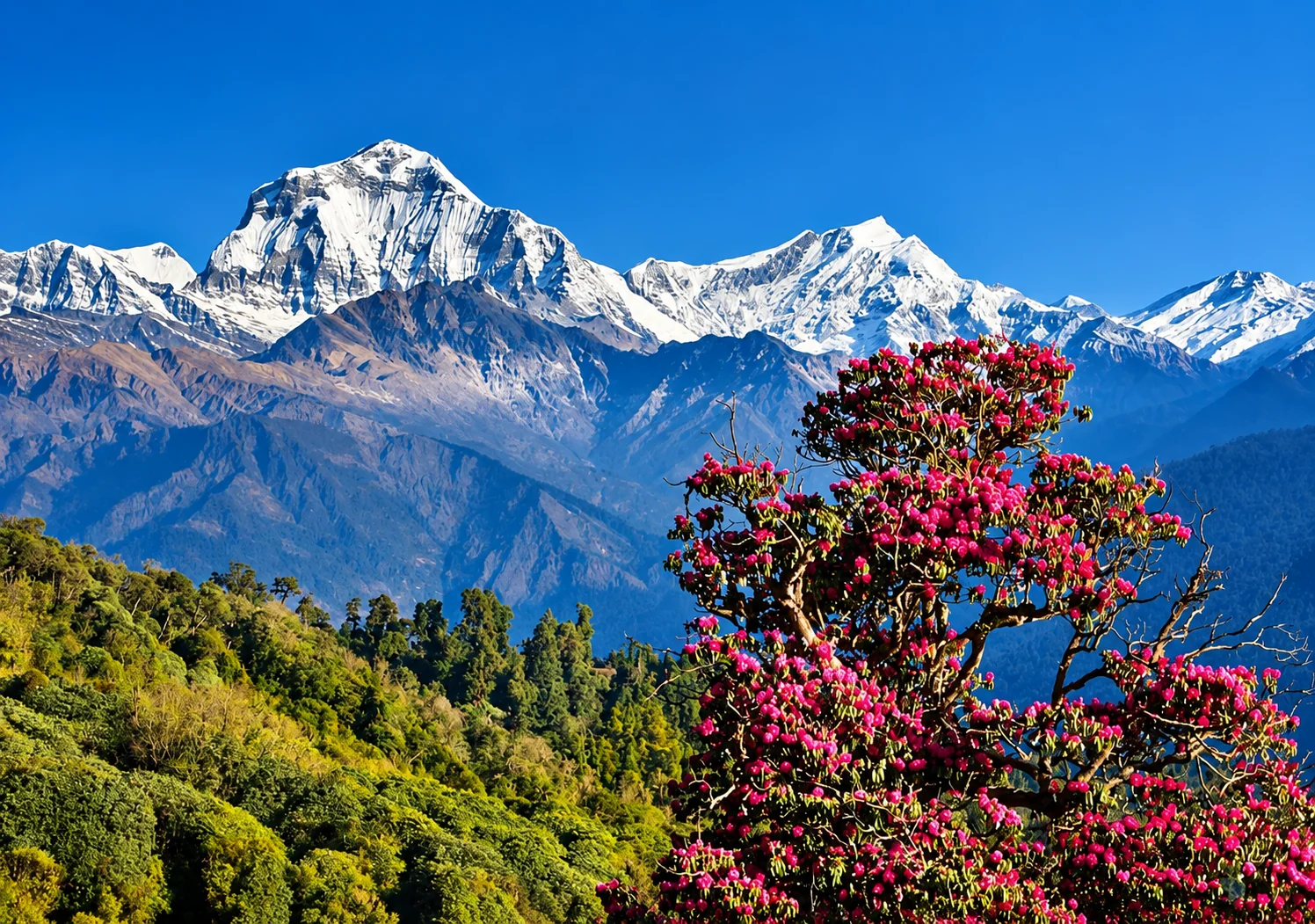
Beyond its spiritual importance, Gosaikunda offers spectacular trekking opportunities. The trail to the lake traverses lush rhododendron forests, alpine meadows, and rocky passes, providing panoramic views of towering Himalayan peaks such as Langtang Lirung and Ganesh Himal. This trek combines physical challenge with breathtaking scenery, making it a favorite among outdoor enthusiasts.
The environment around Gosaikunda is pristine and tranquil, offering visitors a deep sense of connection with nature. The lake’s crystal-clear waters reflect the surrounding snow-capped peaks, creating a surreal, almost otherworldly atmosphere. This natural allure, combined with its sacred status, makes Gosaikunda a truly unique destination.
The Spiritual Atmosphere and Pilgrimage Experience
Gosaikunda is revered as a sacred site deeply embedded in Hindu and Buddhist spirituality, making it much more than just a natural wonder. The lake holds immense religious significance because it is believed to be the abode of Lord Shiva, one of Hinduism’s principal deities. Pilgrims travel from far and wide, especially during the Janai Purnima festival in August, to perform ritual baths in the pristine, icy waters of the lake. These sacred waters are thought to purify the soul and wash away sins, offering devotees a rare opportunity for spiritual cleansing and renewal. The sense of devotion that permeates the air is palpable, as thousands come together in reverent celebration, chanting prayers and offering flower garlands amidst the striking Himalayan backdrop.
The pilgrimage to Gosaikunda is not only a physical journey but also a transformative spiritual experience. For many, the trek to the lake represents a form of penance and dedication, requiring endurance and humility in the face of the mountain’s challenges. Along the path, travelers encounter numerous small shrines and statues dedicated to various deities, where they pause to offer prayers and incense. These sacred stops provide moments of reflection and connection with the divine, heightening the sense of reverence as one approaches the lake itself. The quiet stillness of Gosaikunda, surrounded by snow-capped peaks and fluttering prayer flags, creates an environment that naturally invites meditation and introspection.
Even outside the pilgrimage season, Gosaikunda retains its spiritual aura, drawing visitors who seek peace, healing, and a chance to connect with nature’s purity. Many trekkers and pilgrims spend time by the lake in silent contemplation, absorbing the serene energy that has attracted devotees for centuries. The sacredness of the site is respected by all who visit, with strict customs in place to preserve its sanctity. This blend of natural beauty and profound spirituality makes Gosaikunda a unique destination where body, mind, and spirit come together in harmony.
Ecological and Cultural Significance
Gosaikunda exists as a vital ecological treasure within Langtang National Park, Nepal’s first Himalayan national park. The region supports a diverse range of Himalayan flora and fauna, some of which are rare and endangered. Species such as the elusive red panda, Himalayan black bear, and the elusive snow leopard inhabit these high-altitude forests and alpine meadows. The lake itself, along with the surrounding smaller lakes, plays a crucial role in maintaining the ecological balance by supporting aquatic life and providing water resources in this fragile mountain ecosystem.
The park’s biodiversity is remarkable, with vibrant rhododendron forests blossoming in spring, alpine wildflowers carpeting the meadows, and numerous bird species soaring overhead. This rich natural heritage makes Gosaikunda a hotspot for eco-tourism and wildlife enthusiasts eager to witness Himalayan biodiversity in its natural setting. Conservation efforts focus on protecting this delicate environment from the impacts of increasing tourism and climate change, ensuring that future generations can continue to marvel at its pristine beauty.
Culturally, Gosaikunda is a melting pot of spiritual traditions. The local Sherpa and Tamang communities have lived in harmony with the land for centuries, practicing both Buddhism and Hinduism. Their traditional festivals, rituals, and daily lives are closely intertwined with the natural environment, reflecting a deep respect for the sacredness of the lake and surrounding mountains. Visitors have the rare opportunity to experience this unique cultural heritage firsthand, gaining insight into ancient Himalayan beliefs and customs.
Trekking to Gosaikunda: What to Expect
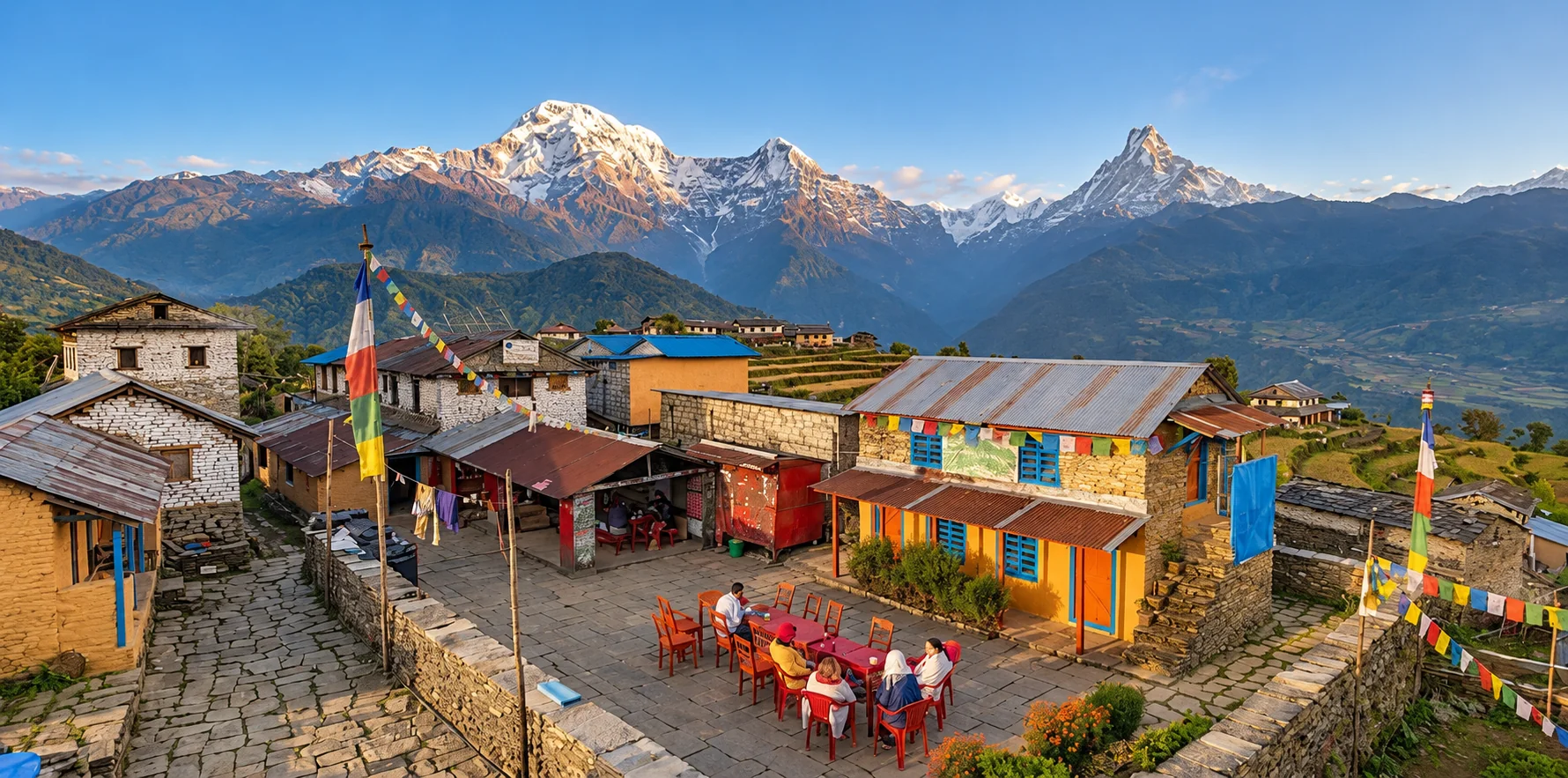
The trek to Gosaikunda is a popular adventure route that combines moderate physical challenge with rewarding natural and cultural experiences. Most treks begin in Dhunche or Syabrubesi, winding through beautiful villages, dense forests, and steep mountain paths. Along the route, trekkers encounter traditional Sherpa and Tamang villages where ancient monasteries and temples stand as silent witnesses to centuries of spiritual practice.
Trekking to Gosaikunda requires preparation and acclimatization, as the high altitude can pose challenges to those unaccustomed to mountain conditions. The journey offers spectacular views of Himalayan peaks like Langtang Lirung, Ganesh Himal, and the Langtang range. Accommodation options include basic teahouses and lodges that provide warmth and local cuisine, allowing trekkers to immerse themselves in the mountain lifestyle.
The trail is well-marked, but weather conditions can change rapidly. It’s important to be equipped with proper gear such as waterproof clothing, warm layers, and hiking poles. Trekking in the spring and autumn seasons offers the best balance of clear skies, manageable temperatures, and vibrant natural scenery. The overall experience is a blend of physical endurance, cultural discovery, and spiritual reflection.
Practical Tips for Your Visit
To make the most of your Gosaikunda pilgrimage or trek, planning and preparation are key. First, ensure you obtain all necessary permits, including the Langtang National Park entry permit, which are required for trekking in this region. Hiring a local guide or porter is highly recommended, as it supports the local economy and enriches your experience through shared cultural knowledge.
Pack thoughtfully for the high-altitude environment. Essentials include sturdy hiking boots, a warm sleeping bag, waterproof outerwear, sun protection, and trekking poles. Be mindful of altitude sickness symptoms: headache, dizziness, nausea, and allow time for proper acclimatization. Drinking plenty of water and pacing yourself on the trail can help prevent illness.
Respect the sacredness of Gosaikunda and the local customs. Avoid littering, stay on designated trails, and be mindful when visiting religious sites. The local communities take great pride in preserving the lake’s purity and sanctity, and visitors are encouraged to honor these values. By following sustainable travel practices, you help conserve this extraordinary place for future generations.
Why Gosaikunda Should Be on Your Travel List
Gosaikunda stands as a unique destination where the grandeur of the Himalayas meets deep spirituality and rich cultural heritage. It offers a rare opportunity to experience the natural beauty of alpine lakes, vibrant forests, and snow-capped peaks while immersing yourself in centuries-old religious traditions. Whether you seek a challenging trek, a spiritual journey, or a peaceful escape into nature, Gosaikunda promises memories that will last a lifetime.
The lake’s serene environment encourages reflection and inner peace, while the warm hospitality of local communities enriches your travels with meaningful connections. Gosaikunda is a place where body, mind, and spirit harmonize in the embrace of Nepal’s breathtaking mountains, a must-visit for anyone drawn to the magic of the Himalayas.
Gosaikunda Trek Outline Itinerary
Day 01: Arrival in Kathmandu and transfer to the hotel.
Day 02: Drive from Kathmandu to Dhunche.
Day 03: Trek from Dhunche to Sing Gompa.
Day 04: Trek from Sing Gompa to Gosaikunda Lake.
Day 05: Explore Gosaikunda Lake and the surrounding sacred lakes.
Day 06: Trek from Gosaikunda to Deurali.
Day 07: Trek to Dhunche and drive back to Kathmandu.
Day 08: Departure from Kathmandu.
Frequently Asked Questions (FAQs) About Gosaikunda
1. Where is Gosaikunda located?
Gosaikunda is situated in the Langtang region of Nepal, within Langtang National Park, at an altitude of approximately 4,380 meters above sea level.
2. Why is Gosaikunda considered sacred?
According to Hindu mythology, Lord Shiva created the lake to cool his burning throat after consuming poison. It is one of Nepal's most important pilgrimage sites, especially during the Janai Purnima festival.
3. When is the best time to visit Gosaikunda?
The best time to visit is during spring (April to May) and autumn (September to November), when the weather is clear and the mountain views are at their best.
4. How difficult is the Gosaikunda Trek?
The trek is considered moderately challenging and is suitable for trekkers with a reasonable level of fitness. Proper acclimatization is important due to the high altitude.
5. What permits are required for the Gosaikunda Trek?
Trekkers need a Langtang National Park Entry Permit and any additional permits required, depending on the trekking route.
6. Are accommodations available along the trekking route?
Yes, there are several teahouses and lodges along the trail that provide basic accommodation and meals.
7. What wildlife can be seen around Gosaikunda?
The region is home to wildlife such as red pandas, Himalayan black bears, musk deer, various bird species, and alpine vegetation.
8. Is Gosaikunda accessible throughout the year?
The trek is accessible for most of the year, but heavy snowfall during winter can make the route difficult. Spring and autumn are the preferred seasons.
9. How long does the Gosaikunda Trek take?
The trek usually takes 5 to 7 days, depending on the itinerary and starting point.
10. Is the Gosaikunda Trek safe for solo travelers?
Yes, the trek is generally safe for solo travelers, although hiring a guide is recommended for added safety and local knowledge.
11. What level of fitness is required?
A moderate level of fitness is recommended, as the trek involves steep ascents, long walking hours, and high-altitude conditions.
12. Can the Gosaikunda Trek be done in winter?
Yes, but it can be challenging due to snow-covered trails and cold temperatures. It is best suited for experienced trekkers.
13. Are mobile networks and internet available during the trek?
Mobile network coverage is available in some areas, and a few teahouses offer Wi-Fi services, although connectivity may be limited.
14. What should I pack for the Gosaikunda Trek?
Essential items include warm clothing, waterproof gear, trekking boots, a sleeping bag, sunscreen, sunglasses, and trekking poles.
15. Are guides or porters necessary?
They are not mandatory, but hiring a guide or porter is highly recommended for safety, convenience, and local insights.
16. How do I reach the starting point of the trek?
The trek generally begins from Dhunche or Syabrubesi, which can be reached by road from Kathmandu.
17. Are there any cultural etiquettes to follow?
Yes. Visitors should respect local traditions, dress modestly, avoid littering, and ask permission before taking photographs of people.
18. Can children or elderly travelers do the trek?
The trek can be physically demanding due to altitude and terrain, so children and elderly travelers should assess their fitness and health conditions before participating.
19. Can Gosaikunda be visited as a day trip?
No, Gosaikunda is not suitable for a day trip from Kathmandu as it requires several days of trekking to reach.
20. What are the environmental concerns in the Gosaikunda region?
Visitors should practice responsible tourism by minimizing waste, respecting wildlife, and helping preserve the fragile Himalayan environment.
21. Is travel insurance necessary?
Yes. Travel insurance covering high-altitude trekking and emergency evacuation is highly recommended.
22. Why should I book the Gosaikunda Trek with Khushi Travels and Consulting Group?
Khushi Travels offers experienced local guides, permit assistance, transportation, accommodation booking, customized itineraries, professional support, and personalized service to ensure a safe and memorable Himalayan adventure.
Plan Your Gosaikunda Adventure with Khushi Travels
At Khushi Travels and Consulting Group, we specialize in creating unforgettable travel experiences throughout Nepal.
Our services include professional trekking guides, transportation arrangements, hotel bookings, permit assistance, customized itineraries, airport transfers, and 24/7 travel support.
Whether you are a solo traveler, a couple, or a group seeking an authentic Himalayan adventure, our experienced team is ready to help you create memories that will last a lifetime.
Contact Us
Email: info@khushiservice.com
Email: booking@khushiservice.com
Phone: +977 014975759
Phone: +977 9768988868
Location: Sorahkhutte, Kathmandu, Nepal
Website: www.khushiservice.com
Book Your Nepal Adventure Today
Gosaikunda Lake is more than a trekking destination. It is a place where sacred waters, towering mountains, ancient traditions, and unforgettable experiences come together in the heart of the Himalayas.
Join Khushi Travels and Consulting Group and discover why Gosaikunda remains one of Nepal's most treasured destinations.
Planning a trip to Gosaikunda promises an extraordinary encounter with Nepal’s natural wonders and spiritual traditions. Pack your bags, prepare your heart, and embark on a journey to one of the Himalayas’ most mesmerizing sacred lakes.
Similar Blogs
We are associated with