
How To Engage In Eco-Tourism Activity

Travel has the power to create unforgettable memories, connect people with different cultures, and support local communities. However, increasing tourism also places pressure on natural environments, wildlife, and cultural heritage. This is why eco tourism has become one of the fastest-growing forms of responsible travel worldwide.
Eco tourism is more than simply visiting beautiful natural destinations. It is a thoughtful way of exploring the world while minimizing environmental impact, respecting local traditions, and contributing to the well-being of local communities. Every traveler can make a positive difference by choosing sustainable accommodations, supporting local businesses, reducing waste, and participating in conservation-focused activities.
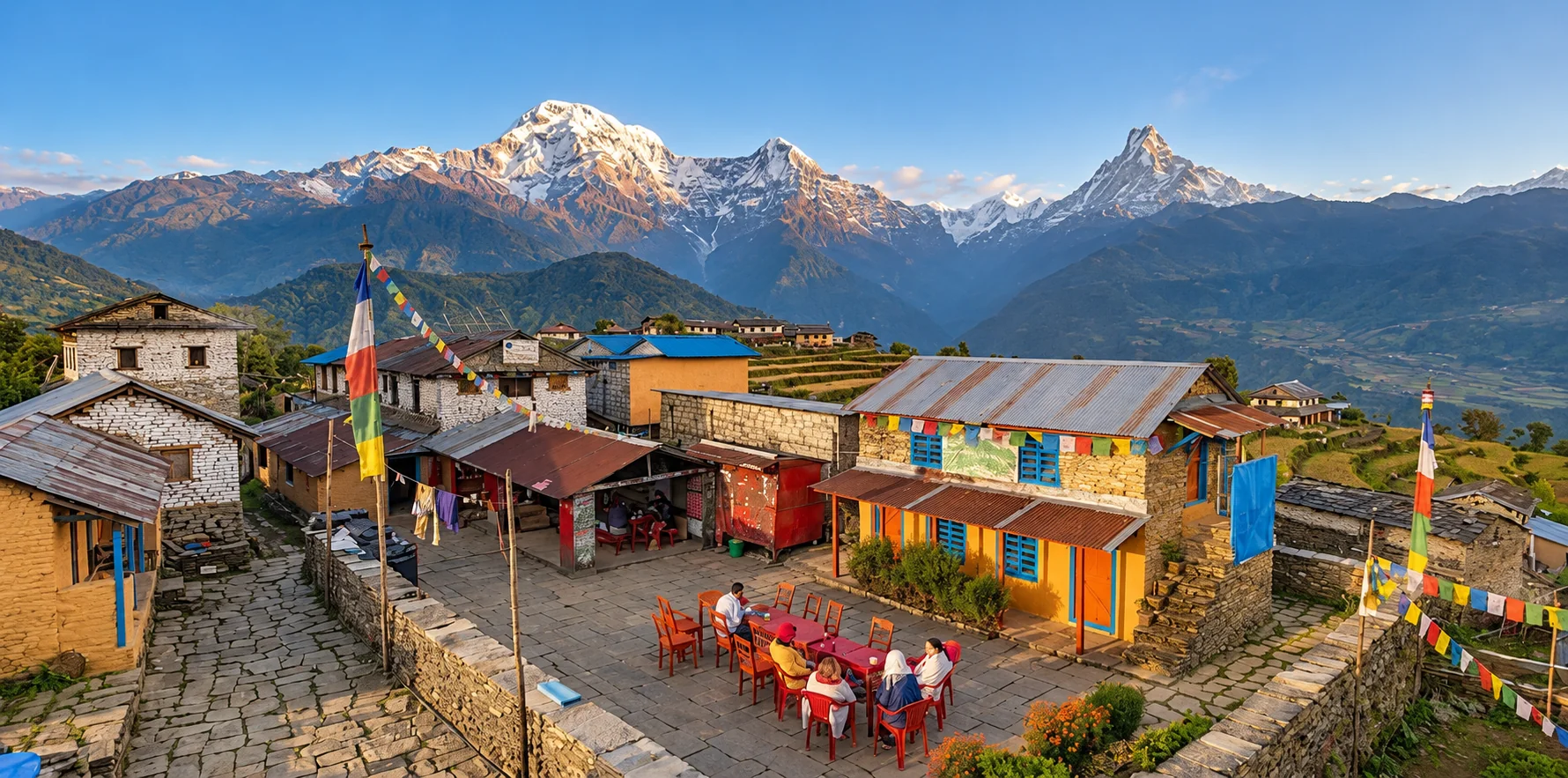
Nepal is one of the world's finest destinations for eco tourism. Home to the Himalayas, diverse wildlife, ancient cultures, pristine forests, national parks, community-managed conservation areas, and welcoming mountain villages, Nepal provides countless opportunities for travelers who wish to travel responsibly.
Whether you are planning a short nature getaway, a wildlife safari, a cultural village tour, or a Himalayan trekking adventure, learning how to engage in eco tourism activities will make your journey more meaningful while helping preserve Nepal's incredible natural and cultural treasures for future generations.
What is Eco Tourism?
Eco tourism is a responsible form of travel that focuses on exploring natural areas while protecting the environment, supporting local communities, and promoting cultural understanding.
Unlike mass tourism, eco tourism encourages travelers to become active participants in conservation. Instead of simply visiting a destination, eco tourists contribute to preserving ecosystems, respecting wildlife, and strengthening local economies.
The International Ecotourism Society defines eco tourism as responsible travel to natural areas that conserves the environment, sustains the well-being of local people, and involves interpretation and education.
Simply put, eco tourism means:
- Traveling responsibly
- Respecting nature
- Supporting local communities
- Conserving wildlife
- Learning about local culture
- Leaving destinations better than you found them
Main Principles of Eco Tourism
Successful eco tourism follows several important principles that help balance tourism with environmental conservation.
1. Minimize Environmental Impact
Responsible travelers reduce pollution, avoid damaging ecosystems, and minimize waste throughout their journey.
Examples include:
- Carry reusable water bottles
- Avoid single-use plastics
- Stay on designated trails
- Dispose of waste properly
- Use eco-friendly transportation whenever possible
2. Support Local Communities
Eco tourism ensures that tourism revenue benefits local residents instead of only large corporations.
Support local communities by:
- Staying in locally owned hotels or homestays
- Hiring local guides
- Purchasing handmade souvenirs
- Eating at local restaurants
- Using community-based tourism services
This helps create employment opportunities while preserving traditional lifestyles.
3. Respect Wildlife
Wildlife should never be disturbed for entertainment.
Responsible wildlife tourism means:
- Observing animals from a safe distance
- Never feeding wildlife
- Avoiding loud noises
- Choosing ethical wildlife tours
- Never purchasing products made from endangered species
4. Preserve Local Culture
Every destination has unique customs, traditions, languages, and beliefs.
Travelers should:
- Dress respectfully
- Learn local greetings
- Ask permission before photographing people
- Respect religious sites
- Participate respectfully in cultural activities
5. Promote Environmental Education
Eco tourism encourages travelers to understand ecosystems, biodiversity, conservation efforts, and local environmental challenges.
Learning makes travel more meaningful while encouraging responsible behavior long after returning home.
Why is Eco Tourism Important?
Eco tourism creates benefits for travelers, local communities, wildlife, and future generations.
Environmental Conservation
Tourism income often supports:
- National parks
- Wildlife conservation
- Forest protection
- Trail maintenance
- Community forests
- Protected wetlands
Responsible tourism helps preserve these natural resources.
Economic Benefits
Eco tourism generates sustainable employment for:
- Local guides
- Porters
- Farmers
- Hotel owners
- Artisans
- Transport operators
Money spent locally circulates within communities and improves livelihoods.
Cultural Preservation
Tourism encourages communities to preserve:
- Traditional architecture
- Festivals
- Languages
- Local crafts
- Indigenous knowledge
- Traditional music and dance
Instead of disappearing, these traditions become valued assets.
Better Travel Experiences
Responsible travel often provides more authentic experiences.
Instead of crowded tourist attractions, eco tourists enjoy:
- Village life
- Local cuisine
- Nature walks
- Community interactions
- Wildlife observation
- Cultural exchanges
These experiences often become the most memorable part of a journey.
How to Engage in Eco Tourism Activities
Traveling responsibly begins before your trip starts. Small decisions made during planning and while traveling can have a significant positive impact.
Choose Eco-Friendly Destinations
Select destinations known for conservation efforts and responsible tourism practices.
Excellent eco tourism destinations in Nepal include:
- Chitwan National Park
- Bardiya National Park
- Langtang National Park
- Annapurna Conservation Area
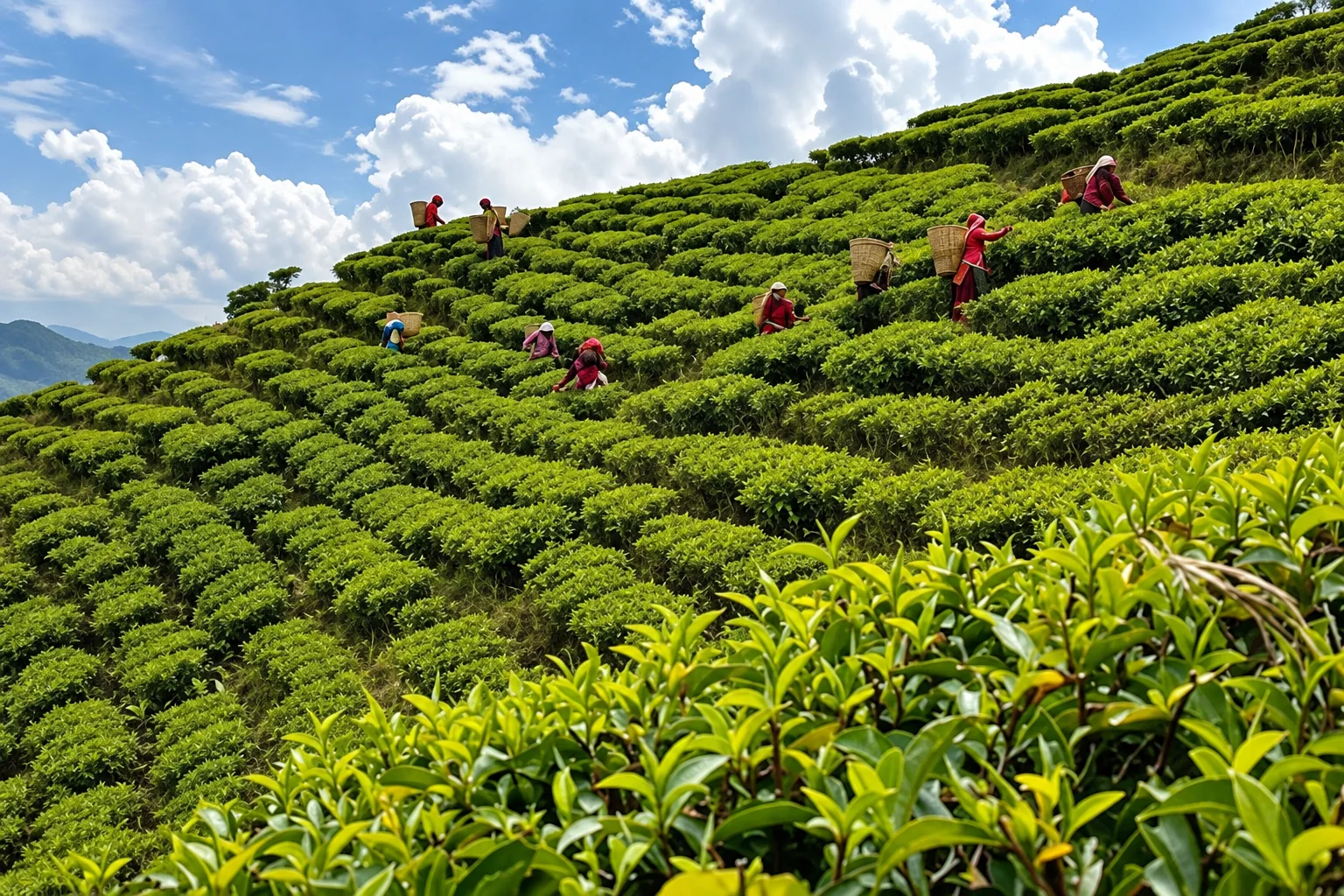
- Ghandruk
- Ghalegaun
- Ilam
- Rara Lake
- Khaptad National Park
- Koshi Tappu Wildlife Reserve
These destinations actively support conservation and community participation.
Stay in Sustainable Accommodations
Look for accommodations that:
- Employ local staff
- Reduce plastic use
- Save water
- Use renewable energy
- Support local farmers
- Practice proper waste management
Many community lodges and eco resorts across Nepal follow these sustainable practices.
Hire Local Guides
Local guides provide:
- Better cultural understanding
- Safer travel experiences
- Accurate local knowledge
- Employment opportunities for residents
They also help visitors understand conservation efforts taking place in the destination.
Support Local Businesses
Choose locally owned businesses whenever possible.
Examples include:
- Family restaurants
- Local tea houses
- Village homestays
- Community cooperatives
- Local transportation
- Handmade craft shops
Supporting local businesses ensures tourism benefits remain within the community.
Reduce Plastic Waste
Plastic pollution affects mountains, rivers, forests, and wildlife.
Simple actions include:
- Carry a reusable bottle
- Use refill stations
- Bring reusable shopping bags
- Avoid disposable cutlery
- Carry reusable food containers
Small habits create significant environmental benefits.
Respect Nature
Nature should always remain undisturbed.
While hiking:
- Stay on marked trails
- Avoid picking flowers
- Never carve rocks or trees
- Carry back all waste
- Avoid disturbing wildlife habitats
Leave every destination as beautiful as you found it.
Travel Slowly
Instead of rushing through multiple destinations, spend more time in fewer places.
Slow travel:
- Reduces transportation emissions
- Supports local businesses longer
- Encourages meaningful cultural exchanges
- Creates deeper travel experiences
Quality travel is often better than quantity.
Eco-Friendly Activities You Can Enjoy
Eco tourism includes many enjoyable activities suitable for families, couples, solo travelers, and adventure seekers.
Nature Hiking
Walking through forests, hills, and conservation areas allows travelers to appreciate biodiversity while leaving minimal environmental impact.
Bird Watching
Nepal is home to over 890 bird species, making it one of Asia's finest birdwatching destinations.
Popular locations include:
- Koshi Tappu
- Chitwan
- Shivapuri National Park
- Phulchowki
Wildlife Safari
Responsible jeep safaris and guided jungle walks provide opportunities to observe wildlife while supporting national park conservation.
Possible wildlife sightings include:
- One-horned rhinoceros
- Bengal tiger
- Asian elephant
- Gharial crocodile
- Deer
- Hundreds of bird species
Community Village Tours
Visit traditional villages to experience:
- Local farming
- Traditional cooking
- Handicrafts
- Cultural performances
- Village lifestyles
Community tourism creates direct economic benefits for residents.
Organic Farm Experiences
Many villages offer visitors opportunities to:
- Harvest vegetables
- Learn organic farming
- Taste local foods
- Participate in agricultural activities
These experiences connect travelers with rural Nepal.
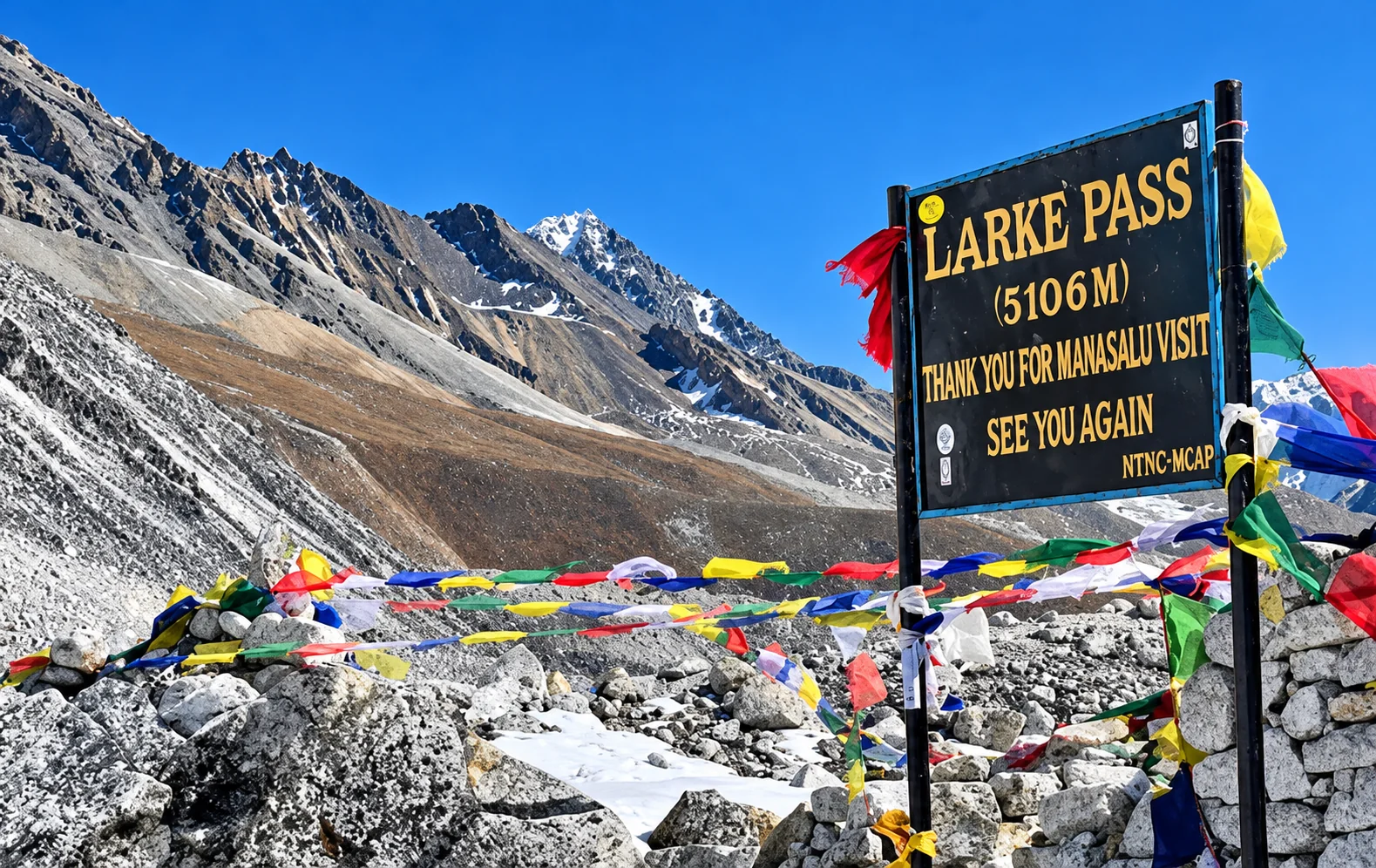
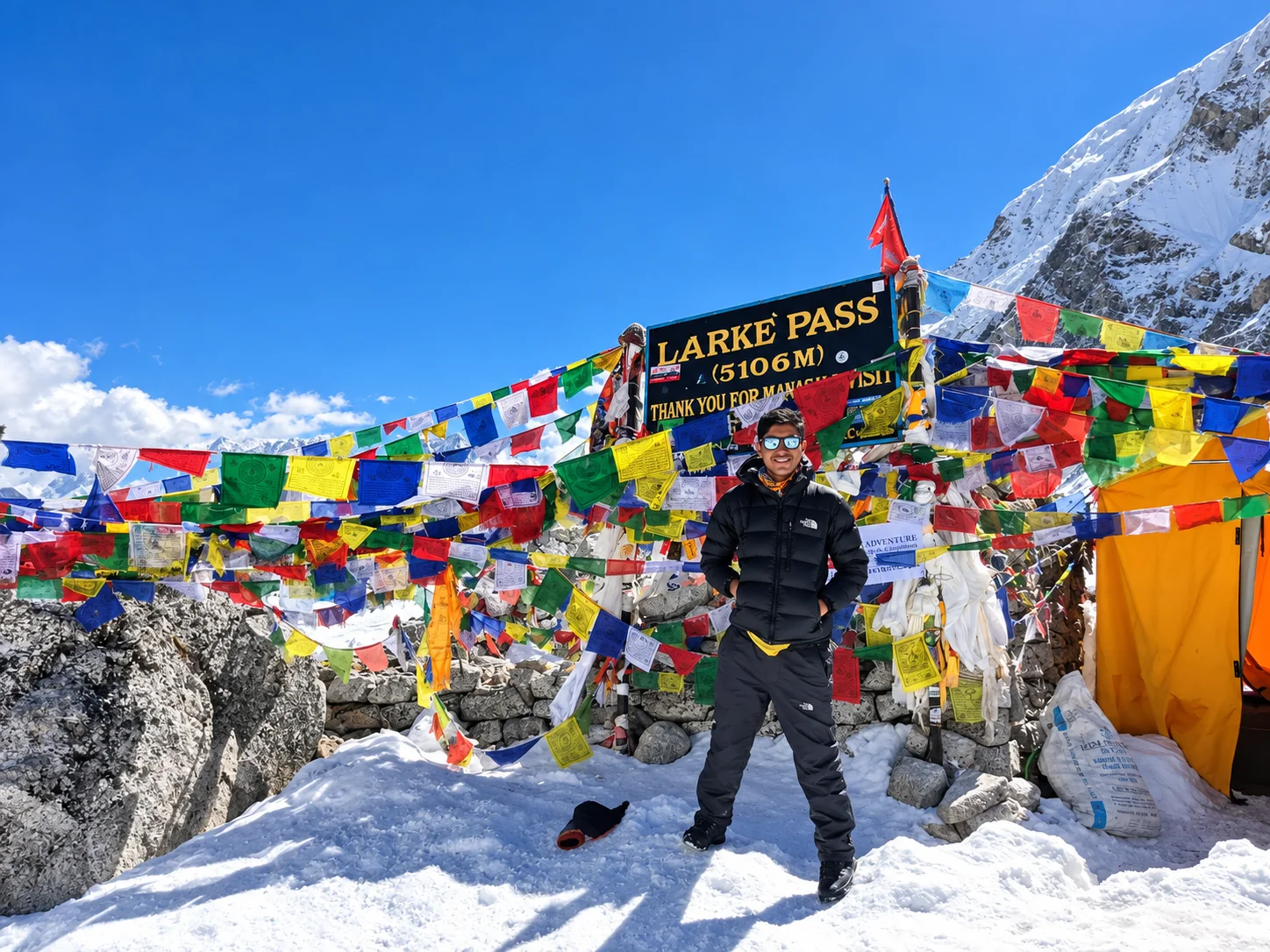
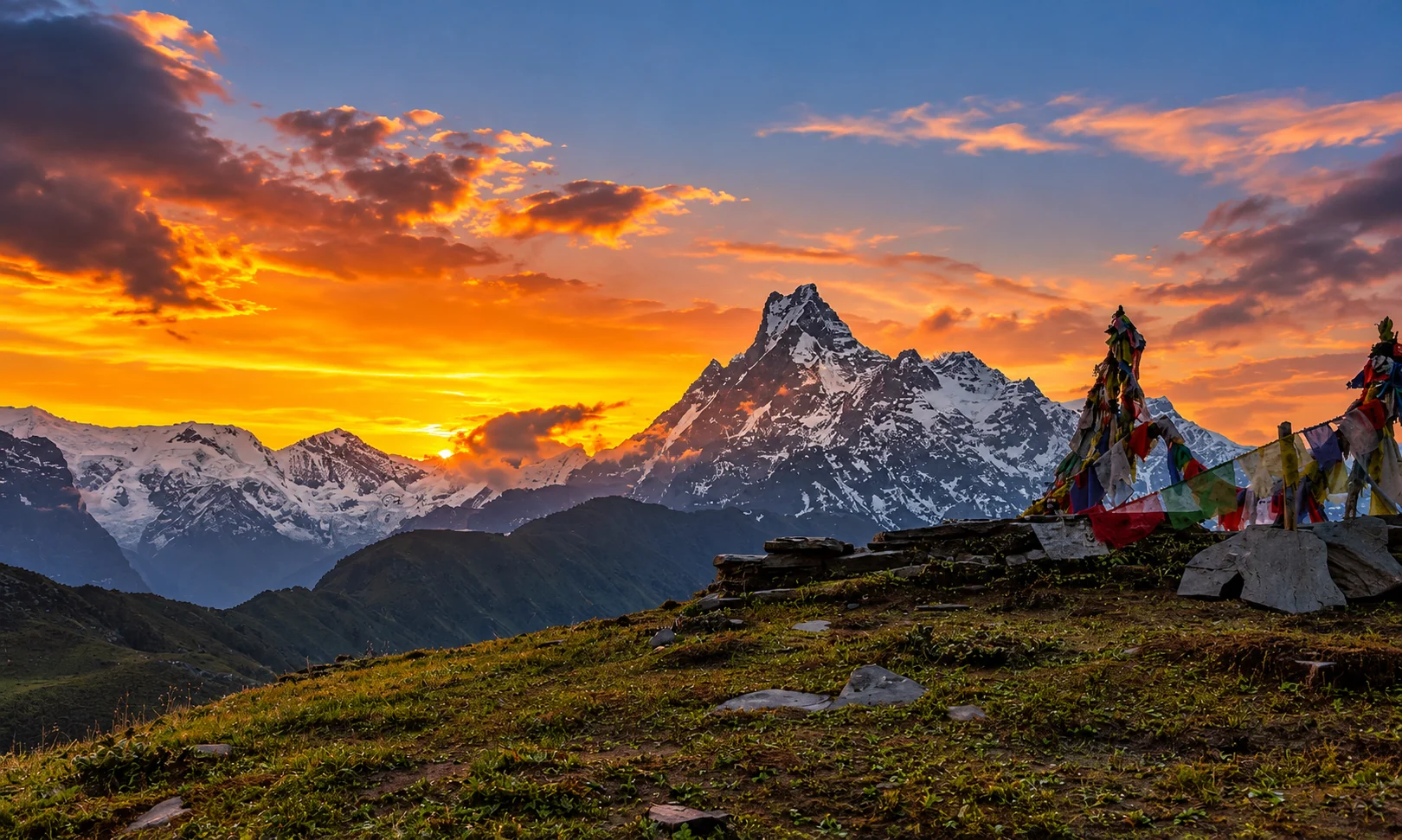
Mountain Trekking
Responsible trekking supports conservation areas while encouraging sustainable tourism practices.
Popular eco trekking regions include:
Tree Plantation Programs
Some conservation organizations and community tourism projects allow visitors to participate in tree planting initiatives.
This creates a lasting environmental contribution.
River Clean-Up Activities
Volunteer programs occasionally organize river clean-up campaigns where visitors can help protect local ecosystems.
Sustainable Habits Every Traveler Should Follow
Responsible travel is built on daily habits.
Always remember to:
- Carry reusable water bottles.
- Avoid unnecessary plastic packaging.
- Turn off lights and heaters when leaving rooms.
- Conserve water while showering.
- Respect local customs and traditions.
- Buy locally produced goods.
- Avoid wasting food.
- Walk whenever possible.
- Use shared transportation.
- Recycle whenever facilities are available.
- Never litter.
- Avoid disturbing wildlife.
- Follow park regulations.
- Respect cultural heritage sites.
- Educate fellow travelers through positive example.
Eco Tourism in Nepal
Nepal is recognized globally for combining adventure tourism with conservation.
Several successful conservation models have made Nepal an international example of sustainable tourism.
Community Forest Programs
Thousands of local communities manage forests sustainably, protecting biodiversity while benefiting from tourism income.
Conservation Areas
Protected regions such as the Annapurna Conservation Area demonstrate how tourism can fund conservation while improving local livelihoods.
National Parks
Nepal's national parks preserve endangered wildlife while offering carefully managed tourism experiences.
Community Homestays
Village homestays provide authentic cultural experiences while generating income for rural families.
Sample Eco Tourism Itinerary in Nepal (7 Days)
Day 1: Arrival in Kathmandu
- Airport pickup
- Hotel check-in
- Eco tourism orientation
- Visit local organic café
- Overnight in Kathmandu
Day 2: Drive to Chitwan
- Scenic drive
- Community lodge check-in
- Village walking tour
- Traditional cultural program
Day 3: Responsible Wildlife Experience
- Guided jungle walk
- Bird watching
- Ethical jeep safari
- Conservation education session
Day 4: Community Activities
- Organic farm visit
- Local cooking experience
- Bicycle village tour
- Community interaction
Day 5: Return to Kathmandu
- Scenic drive
- Visit local handicraft markets
- Support fair-trade shops
Day 6: Shivapuri Nature Hike
- Guided forest hike
- Bird watching
- Environmental interpretation
- Local lunch
Day 7: Departure
- Responsible souvenir shopping
- Airport transfer
- Departure
Practical Tips Before Planning an Eco Tourism Trip
Planning ahead helps you travel responsibly and comfortably.
Before your journey:
- Research your destination and its conservation rules.
- Carry reusable travel essentials such as bottles, utensils, and shopping bags.
- Pack environmentally friendly toiletries.
- Choose operators with responsible tourism practices.
- Respect local customs and dress appropriately.
- Travel during suitable seasons to reduce unnecessary environmental stress.
- Purchase travel insurance for trekking or adventure activities.
- Follow the guidance of local guides and conservation authorities.
Thoughtful preparation ensures a safer journey while reducing your environmental footprint.
(FAQs)
1. What are the best eco tourism destinations in Nepal?
Nepal's top eco tourism destinations include Chitwan National Park, Bardiya National Park, Annapurna Conservation Area, Langtang National Park, Koshi Tappu Wildlife Reserve, Rara Lake, Khaptad National Park, Ilam, Ghandruk, and Ghalegaun. These destinations promote sustainable tourism while protecting nature and supporting local communities.
2. How can I travel responsibly in Nepal?
Travel responsibly by staying in locally owned accommodations, hiring local guides, carrying reusable items, reducing plastic waste, respecting local cultures, following park regulations, and supporting community businesses.
3. What are the best short trips from Kathmandu for eco tourism?
Nagarkot, Shivapuri National Park, Namobuddha, Panauti, Kakani, Phulchowki, Chisapani, and Godawari Botanical Garden are among the best eco-friendly short trips from Kathmandu.
4. Where can I go for a 1-day eco-friendly trip from Kathmandu?
Popular one-day eco trips include Shivapuri National Park, Nagarkot, Namobuddha, Phulchowki, Kakani, Changu Narayan, and Godawari Botanical Garden.
5. What are the best weekend getaways near Kathmandu?
Nagarkot, Dhulikhel, Chisapani, Kakani, Namobuddha, Bandipur, and Gorkha are excellent weekend escapes offering nature, culture, and relaxation.
6. Which places can I visit near Kathmandu in 2 days?
A 2-day trip to Nagarkot and Dhulikhel, Namobuddha and Panauti, Chisapani, Shivapuri National Park, or Kakani provides a refreshing blend of nature and culture.
7. What are the best nature escapes near Kathmandu?
Shivapuri National Park, Phulchowki Hill, Godawari Botanical Garden, Kakani, Nagarkot, and Chisapani offer peaceful natural surroundings within easy reach of Kathmandu.
8. Where can I go for a peaceful break from Kathmandu?
Nagarkot, Namobuddha, Kakani, Dhulikhel, Chisapani, and Pharping are ideal destinations for relaxation, meditation, and enjoying mountain views.
9. What are the best offbeat destinations in Nepal for eco travelers?
Khaptad National Park, Rara Lake, Sailung, Tsum Valley, Mohare Danda, Ilam, and Ghalegaun are excellent offbeat destinations with authentic cultural and natural experiences.
10. Which destinations combine nature, wellness, and recreation in Nepal?
Pokhara, Namobuddha, Nagarkot, Dhulikhel, Shivapuri National Park, Rara Lake, and Khaptad National Park combine outdoor activities, peaceful landscapes, and wellness experiences.
11. What are the best recreational activities in Nepal?
Popular recreational activities include hiking, birdwatching, wildlife safaris, cycling, boating, kayaking, village tours, organic farm visits, yoga retreats, and nature photography.
12. Where can I relax in nature near Kathmandu?
You can relax in nature at Godawari Botanical Garden, Shivapuri National Park, Kakani, Nagarkot, Phulchowki, and Namobuddha.
13. Where can I enjoy nature without trekking in Nepal?
Chitwan National Park, Bardiya National Park, Pokhara, Rara Lake, Koshi Tappu Wildlife Reserve, and Godawari Botanical Garden offer wonderful nature experiences without long treks.
14. What are the best wellness retreats in Nepal?
Namobuddha, Pokhara, Nagarkot, Pharping, Dhulikhel, and Lumbini are well-known destinations for yoga, meditation, relaxation, and wellness holidays.
15. Where can I combine nature and mindfulness in Nepal?
Namobuddha, Pharping, Shivapuri National Park, Nagarkot, Dhulikhel, and Lumbini provide peaceful environments for meditation, yoga, and reconnecting with nature.
16. What are the best short hikes near Kathmandu?
Nagarkot to Changu Narayan, Shivapuri Peak, Champadevi, Jamacho, Phulchowki, and Chisapani are among the most popular short hikes near Kathmandu.
17. Which hikes are suitable for beginners in Nepal?
Nagarkot–Changu Narayan, Champadevi, Jamacho, Australian Camp, Dhampus, and Shivapuri are beginner-friendly hikes with rewarding scenery.
18. Which national parks are best for eco tourism in Nepal?
Chitwan National Park, Bardiya National Park, Langtang National Park, Sagarmatha National Park, Shivapuri Nagarjun National Park, and Khaptad National Park are Nepal's leading eco tourism destinations.
19. Where can I see wildlife and rare birds in Nepal?
Chitwan National Park and Bardiya National Park are excellent for wildlife, while Koshi Tappu Wildlife Reserve, Phulchowki Hill, and Shivapuri National Park are renowned for birdwatching.
20. What is the best time to enjoy eco tourism activities in Nepal?
Spring (March to May) and autumn (September to November) offer the best weather for wildlife safaris, hiking, birdwatching, village tours, and other eco tourism activities.
21. Which destination is best for first-time eco travelers in Nepal?
Chitwan National Park, Pokhara, Annapurna Conservation Area, Nagarkot, Namobuddha, and Langtang National Park are ideal for travelers experiencing eco tourism for the first time.
22. Which destination offers the best value for an eco holiday in Nepal?
Ghandruk, Ghalegaun, Bandipur, Ilam, Chitwan National Park, and Kakani provide excellent eco tourism experiences that are affordable and authentic.
23. What are the best eco-friendly activities to experience in Nepal?
Nature hiking, birdwatching, wildlife safaris, village homestays, organic farming experiences, cycling, river clean-up programs, tree plantation, meditation retreats, and cultural tours are some of Nepal's best eco-friendly activities.
24. Can Khushi Travel Service organize customized eco tourism packages in Nepal?
Yes. Khushi Travel Service offers customized eco tourism packages featuring community homestays, responsible trekking, wildlife safaris, birdwatching tours, wellness retreats, village experiences, and sustainable travel across Nepal.
25. Why should I book an eco tourism holiday with Khushi Travel Service?
Khushi Travel Service specializes in responsible travel experiences by partnering with local communities, experienced guides, eco-friendly accommodations, and conservation-focused destinations. Their customized itineraries allow travelers to explore Nepal sustainably while supporting local livelihoods and protecting the country's natural and cultural heritage.
Why Choose Khushi Travel Service for Eco Tourism in Nepal?
Responsible travel requires careful planning, experienced local knowledge, and a genuine commitment to sustainability. At Khushi Travel Service, we believe every journey should create positive impacts for both travelers and local communities.
Our experienced team designs eco-friendly travel experiences that balance adventure, culture, and environmental responsibility. We work closely with local guides, family-run accommodations, community tourism projects, and conservation-focused destinations to ensure your visit supports the people and places you explore.
Our eco tourism services include:
- Customized eco-friendly Nepal tour packages
- Community-based village experiences
- Sustainable trekking itineraries
- Responsible wildlife safaris
- Nature and birdwatching tours
- Organic farm visits
- Homestay experiences
- Cultural immersion programs
- Family-friendly eco holidays
- Private and small group eco tours
- Professional local guides with environmental knowledge
- Flexible itineraries tailored to your interests
Whether you are visiting Nepal for a few days or planning an extended Himalayan adventure, our team is committed to helping you travel responsibly while enjoying authentic experiences across the country.
By choosing Khushi Travel Service, you are not only exploring Nepal's breathtaking landscapes but also contributing to local livelihoods, supporting sustainable tourism, and helping preserve Nepal's natural and cultural heritage for future generations.
Contact Khushi Travels and Consulting Group
Ready to plan your dream trekking adventure or holiday in Nepal?
Our experienced travel experts are here to help you design a personalized itinerary that perfectly matches your interests, travel style, schedule, and budget. Whether you're planning your first visit to Nepal or returning to explore new Himalayan trails, we are committed to providing professional guidance and exceptional service every step of the way.
Khushi Travels and Consulting Group Pvt. Ltd.
📧 General Inquiries: info@khushiservice.com
📧 Bookings: booking@khushiservice.com
📞 Phone / WhatsApp: +977 9768988868
☎️ Office: +977 014975759
📍 Office Address: Sorakhutte-16, Thamel, Kathmandu, Nepal
🌐 Website: www.khushiservice.com
Let Khushi Travels and Consulting Group be your trusted local travel partner in Nepal. Contact us today and allow our experienced team to turn your dream journey into an unforgettable adventure filled with breathtaking landscapes, rich culture, warm hospitality, and lifelong memories.
Final Thoughts
Eco tourism is not just a style of travel. It is a commitment to protecting the places we love while creating meaningful experiences for ourselves and future generations. Every responsible decision, from choosing a locally owned lodge to carrying a reusable water bottle or hiring a local guide, contributes to healthier ecosystems and stronger communities.
Nepal offers some of the world's best opportunities for eco tourism through its majestic mountains, rich biodiversity, vibrant cultures, and successful community-based conservation initiatives. Whether you are trekking through the Himalayas, exploring national parks, staying in a village homestay, or discovering rural traditions, responsible travel allows you to experience Nepal in a deeper and more rewarding way.
At Khushi Travel Service, we are passionate about creating sustainable travel experiences that benefit both travelers and local communities. Let us help you plan an eco-friendly journey that combines adventure, culture, conservation, and unforgettable memories while ensuring your visit leaves a positive impact on Nepal and its people.
Similar Blogs

We are associated with