
How to Stay in Homestay in Nepal

Nepal is a country where hospitality is deeply rooted in everyday life. While luxury hotels, mountain lodges, and boutique resorts offer comfort and convenience, nothing compares to the warmth of staying with a local family. A homestay in Nepal is much more than accommodation. It is an opportunity to experience authentic Nepali culture, traditions, local cuisine, and rural lifestyles while directly supporting local communities.
Whether you are planning a cultural holiday, a family vacation, a photography tour, a trekking adventure, or simply seeking a peaceful escape from city life, staying in a homestay allows you to discover Nepal beyond the typical tourist routes. Instead of observing local life from a distance, you become a part of it, sharing meals, conversations, traditions, and memorable experiences with your host family.
From the Himalayan villages of the Annapurna region to the indigenous communities of eastern Nepal, and from traditional Newari settlements near Kathmandu to the peaceful countryside of western Nepal, homestays provide meaningful travel experiences that hotels simply cannot offer.
This comprehensive guide explains everything you need to know about staying in a homestay in Nepal, including its meaning, benefits, different types, booking process, facilities, food, cultural experiences, popular destinations, sample itinerary, and how Khushi Travels and Consulting Group Pvt. Ltd. can help you plan a safe and memorable homestay holiday.
What is a Homestay?
A homestay is a form of accommodation where travelers stay with a local family in their own home. Guests are provided with a private or shared room while enjoying home-cooked meals, local hospitality, and opportunities to participate in everyday family life.
Unlike hotels, resorts, or guesthouses, homestays focus on authentic cultural exchange. Visitors gain firsthand knowledge about local customs, traditions, agriculture, festivals, religious practices, and village lifestyles.
Many homestays in Nepal are operated under community-based tourism programs that aim to improve local livelihoods while preserving traditional culture and protecting the natural environment.
Why Choose a Homestay in Nepal?
Choosing a homestay transforms your journey into a cultural experience rather than simply a vacation.
Some of the biggest advantages include:
Authentic Local Experience
You experience real Nepali family life instead of commercial tourism.
Cultural Exchange
Guests learn local customs, traditional cooking, festivals, dances, music, farming practices, and handicrafts directly from local families.
Delicious Home-Cooked Food
Meals are freshly prepared using locally grown vegetables, organic ingredients, and traditional recipes.
Support Local Communities
Your travel expenses directly benefit rural families and community development instead of large hotel chains.
Peaceful Environment
Most homestays are located in quiet villages surrounded by forests, rivers, hills, or mountains.
Affordable Accommodation
Homestays generally cost much less than hotels while offering a richer travel experience.
Personalized Hospitality
Host families often treat guests like members of their own family, creating lasting friendships.
Benefits of Staying in a Homestay
A homestay offers much more than a place to sleep.
Learn About Nepali Culture
Understand local traditions, festivals, architecture, clothing, language, and religious practices.
Taste Authentic Regional Cuisine
Every region of Nepal has unique food traditions that cannot always be found in restaurants.
Improve Local Economy
Your stay contributes directly to village families, women entrepreneurs, local farmers, and community tourism initiatives.
Safe and Family-Friendly
Homestays are ideal for solo travelers, couples, families, students, and senior citizens looking for a welcoming environment.
Sustainable Tourism
Community homestays encourage environmental conservation and cultural preservation while reducing the negative impacts of mass tourism.
Types of Homestays in Nepal
Nepal offers a wide variety of homestay experiences depending on the destination and community.
Community Homestays
These are managed collectively by local communities. Income is shared among participating families, helping improve education, sanitation, and village infrastructure.
Ideal for:
- Cultural travelers
- Group tours
- Students
- Researchers
Family-Run Homestays
Operated independently by individual families.
These provide highly personalized hospitality and flexible services.
Ideal for:
- Couples
- Families
- Long-term travelers
Farm Homestays
Guests participate in farming activities such as:
- Rice planting
- Vegetable farming
- Milking cows
- Organic gardening
- Harvesting crops
Perfect for nature lovers and children.
Eco Homestays
Designed around environmentally friendly practices.
Features often include:
- Solar energy
- Organic farming
- Rainwater harvesting
- Waste management
- Local building materials
Mountain Village Homestays
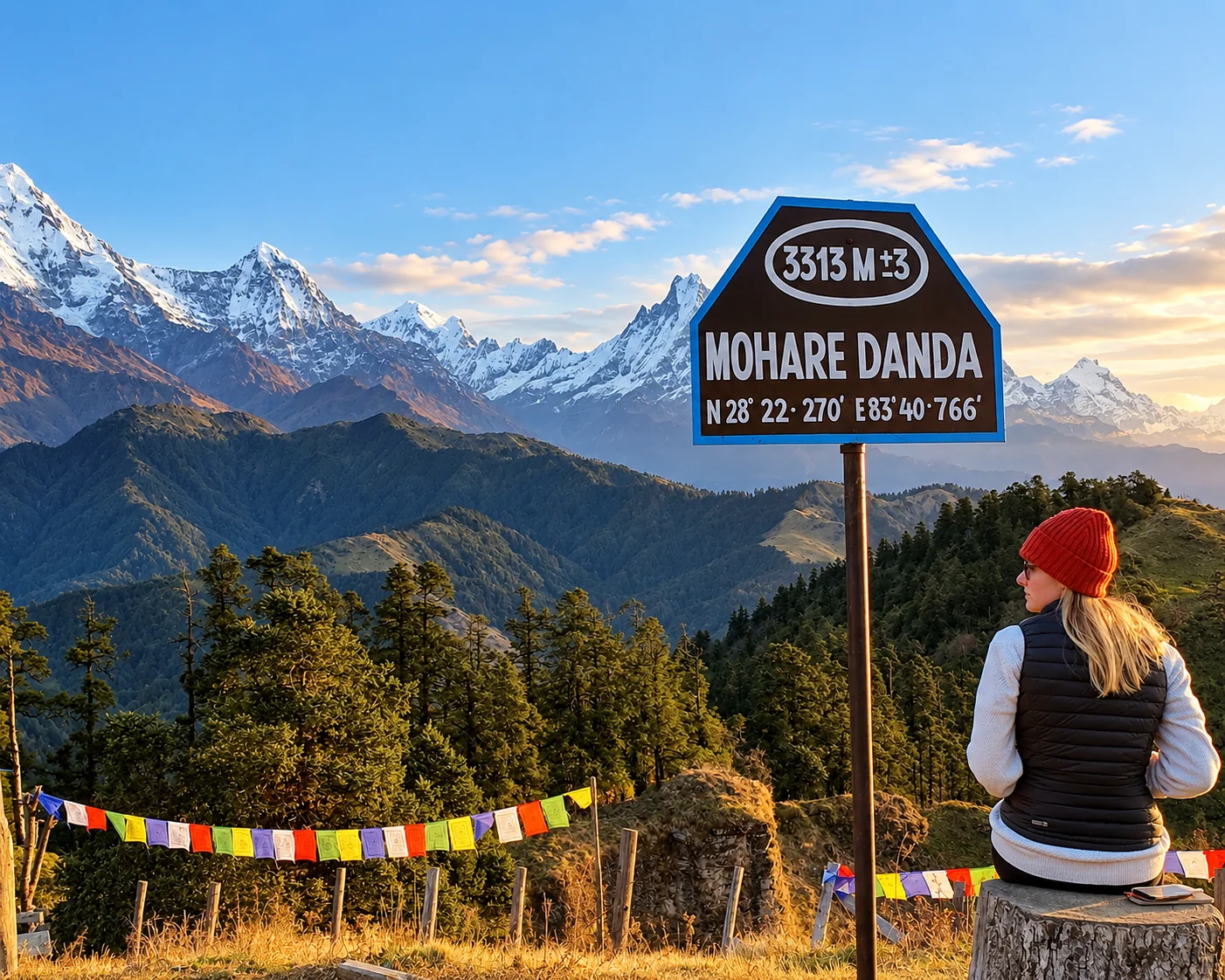
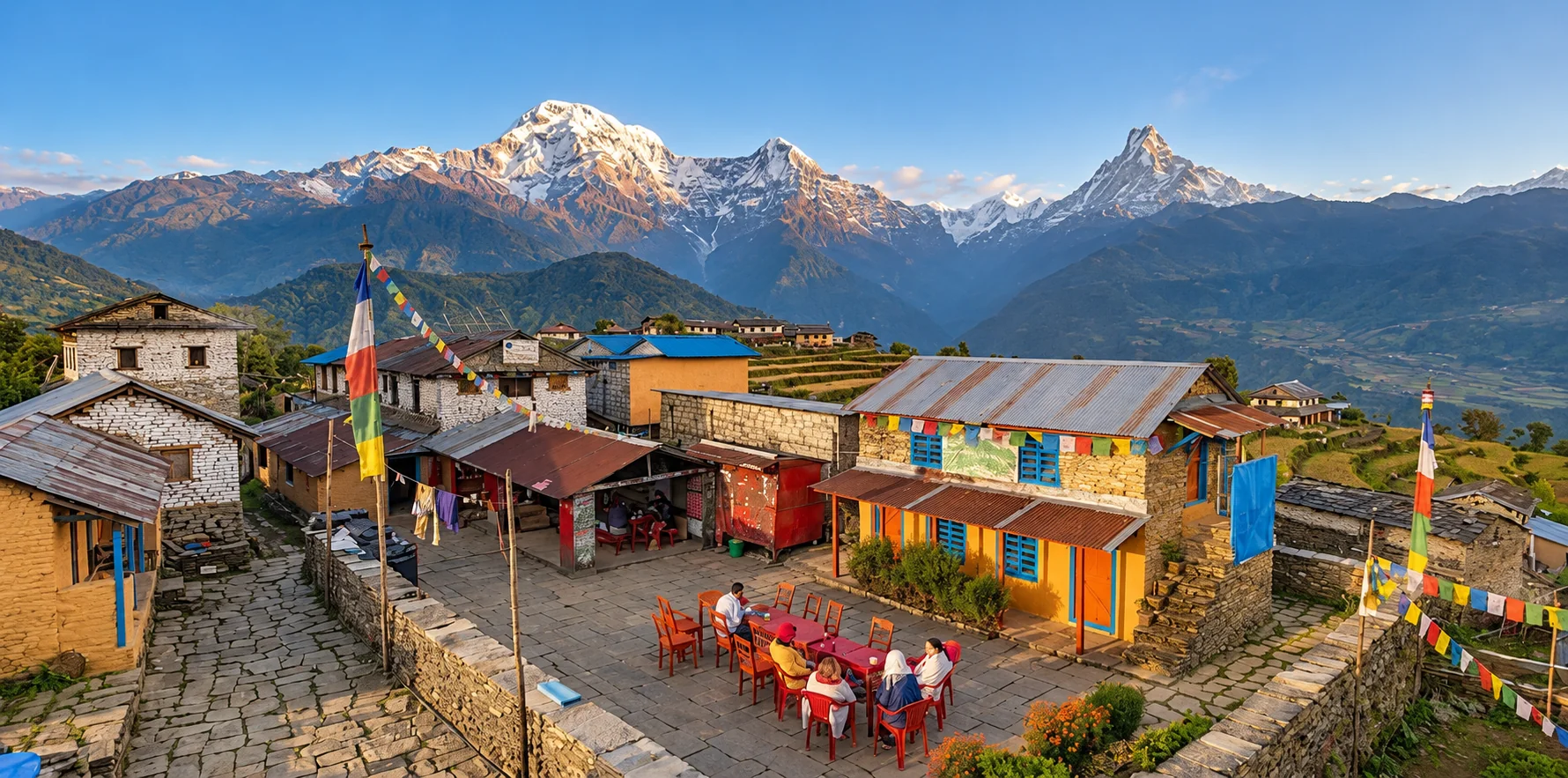
Located in Himalayan settlements where guests enjoy spectacular mountain scenery and traditional lifestyles.
Popular among trekkers and photographers.
Indigenous Community Homestays
These introduce visitors to Nepal's diverse ethnic communities such as:
- Gurung
- Tamang
- Magar
- Tharu
- Rai
- Limbu
- Sherpa
- Newar
Each community has its own language, architecture, cuisine, festivals, music, and traditions.
Popular Homestay Destinations in Nepal
Bandipur
A beautifully preserved hill town famous for traditional Newari architecture, mountain views, peaceful streets, and cultural heritage.
Sirubari
One of Nepal's pioneering community homestay villages, known for warm Gurung hospitality and cultural programs.
A picturesque Gurung village offering stunning Himalayan panoramas and traditional village life.
Ghandruk
One of Nepal's most famous mountain villages where visitors experience Gurung culture alongside breathtaking Annapurna views.
Lwang Village
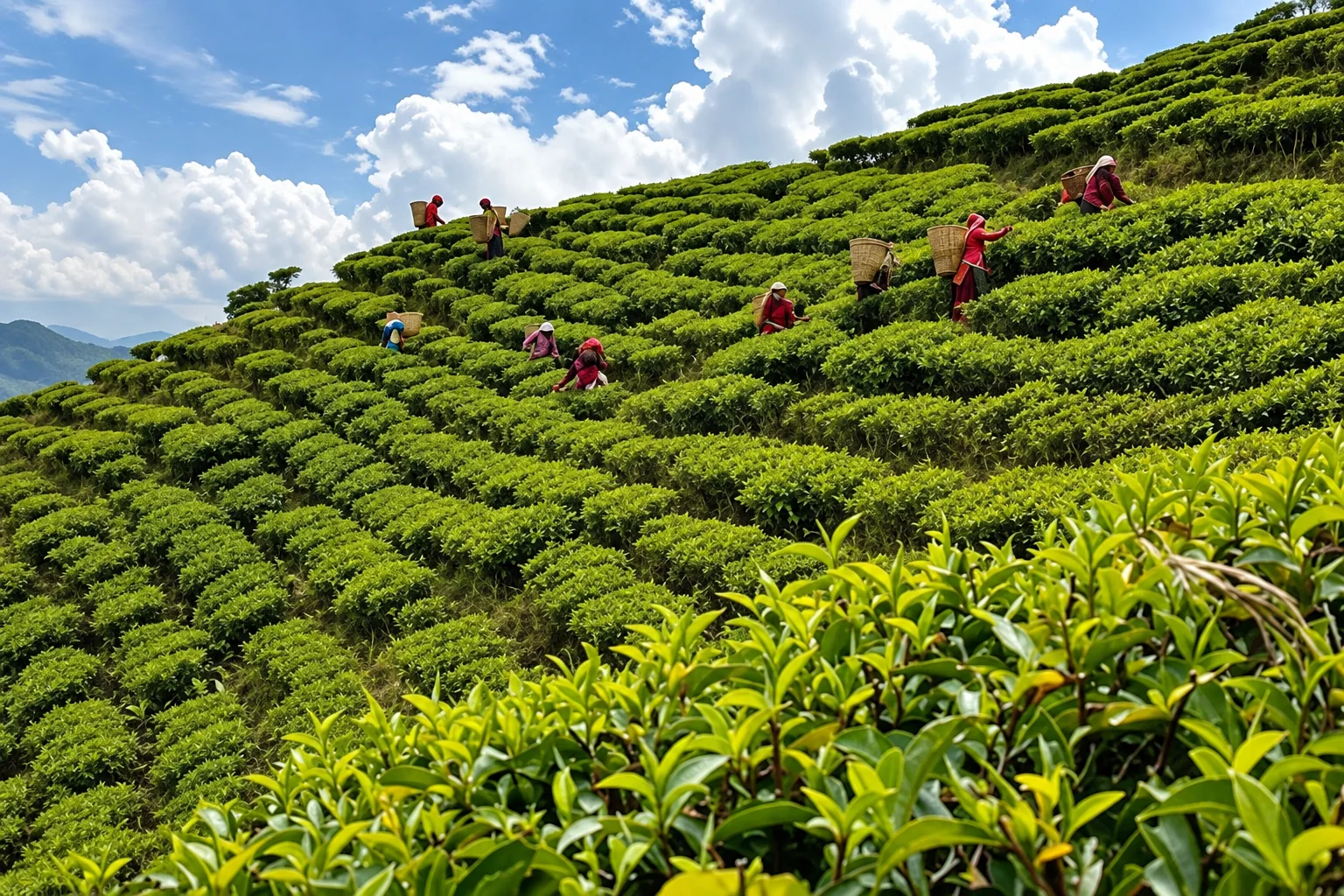
Popular for tea gardens, mountain scenery, honey hunting traditions, and eco-tourism.
A historic Newari town rich in ancient temples, traditional homes, local festivals, and authentic cuisine.
Pharping
Perfect for travelers interested in Buddhist culture, meditation retreats, monasteries, and village experiences near Kathmandu.
Offers peaceful countryside living with sunrise views over the Himalayas.
Ilam
Tea gardens, green hills, and Limbu culture make Ilam an outstanding eastern Nepal homestay destination.
Tharu Villages in Chitwan
Experience indigenous Tharu culture, traditional dances, village walks, and nearby wildlife activities.
Facilities Available in Nepal Homestays
Facilities vary according to location, but most quality homestays provide:
- Comfortable private bedrooms
- Clean bedding
- Shared or attached bathrooms
- Hot water (in many locations)
- Wi-Fi (where available)
- Charging facilities
- Home-cooked meals
- Drinking water
- Garden or courtyard
- Family sitting area
- Local guide arrangements
- Parking facilities (many villages)
- Laundry service (selected locations)
Remote mountain villages may offer more basic facilities while providing unforgettable hospitality.
Food You Can Expect
Food is one of the highlights of staying in a Nepali homestay.
Most meals are prepared using fresh local ingredients.
Common dishes include:
Dal Bhat
Nepal's traditional meal consisting of rice, lentil soup, seasonal vegetables, pickles, and curry.
Dhido
A nutritious traditional meal served with vegetable curry or meat.
Gundruk
Fermented leafy greens prepared in various local styles.
Sel Roti
Traditional homemade rice bread often served during festivals.
Homemade Pickles
Prepared from local vegetables, tomatoes, radish, bamboo shoots, or chili.
Local Tea
Fresh milk tea, herbal tea, or locally grown tea depending on the region.
Organic Vegetables
Most rural homestays serve vegetables harvested directly from their gardens.
Guests with vegetarian, vegan, gluten-free, or special dietary requirements can usually be accommodated with advance notice.
Cultural Experiences You Can Enjoy
One of the greatest advantages of staying in a homestay is participating in local daily life.
Activities often include:
- Cooking traditional Nepali meals
- Learning local recipes
- Village walks
- Traditional dance performances
- Folk music
- Farming activities
- Temple visits
- Religious ceremonies
- Handicraft workshops
- Local festivals
- Sunrise and sunset viewpoints
- Community interactions
- School visits (where appropriate)
- Bird watching
- Nature walks
These experiences create unforgettable memories while helping visitors understand Nepal's cultural diversity.
How to Choose the Right Homestay
Before booking, consider the following factors.
Location
Choose a destination that matches your interests such as mountains, villages, culture, wildlife, or wellness.
Reviews
Read verified guest reviews to understand hospitality, cleanliness, and food quality.
Facilities
Check whether the homestay provides:
- Private bathroom
- Wi-Fi
- Hot water
- Meals
- Transportation
- Guide services
Accessibility
Some villages require hiking while others are easily accessible by road.
Activities
Choose homestays offering experiences that match your interests.
Safety
Book through licensed travel companies or recognized community tourism organizations.
How to Book a Homestay in Nepal
Booking a homestay is easy when planned in advance.
Step 1
Select your preferred destination.
Step 2
Decide your travel dates.
Step 3
Determine your budget and preferred facilities.
Step 4
Choose a reliable travel agency or verified homestay operator.
Step 5
Confirm accommodation, transportation, meals, and activities.
Step 6
Receive your travel confirmation and prepare for your journey.
Booking through an experienced travel company helps avoid communication issues and ensures quality accommodation.
Sample 3 Days Homestay Itinerary
Day 1: Arrival and Cultural Welcome
- Drive from Kathmandu to the homestay destination
- Traditional welcome ceremony
- Check-in
- Village orientation walk
- Sunset viewpoint
- Home-cooked dinner
- Cultural music and dance program
Day 2: Local Experience
- Traditional breakfast
- Farm visit
- Cooking demonstration
- Village exploration
- Temple visit
- Handicraft experience
- Lunch with host family
- Nature walk
- Dinner with local family
- Storytelling and cultural interaction
Day 3: Morning Village Life and Departure
- Sunrise walk
- Organic breakfast
- Visit local school or community project
- Purchase local handicrafts
- Farewell ceremony
- Return journey
This itinerary can be extended into 4, 5, or even 7-day village experiences depending on your interests.
Responsible Homestay Travel Tips
To enjoy a meaningful experience while respecting local communities:
- Respect local customs and traditions.
- Dress modestly in villages.
- Ask permission before photographing people.
- Reduce plastic waste.
- Carry a reusable water bottle.
- Support local businesses.
- Learn a few basic Nepali greetings.
- Participate respectfully in community activities.
- Follow your host family's guidance.
- Leave the destination cleaner than you found it.
Responsible tourism ensures that future generations can continue enjoying authentic village experiences.
Best Time to Stay in a Homestay in Nepal
Homestays are available throughout the year, but the best seasons are:
Spring (March to May)
Pleasant temperatures, blooming flowers, and clear mountain views.
Autumn (September to November)
The most popular season with stable weather, festivals, and excellent visibility.
Winter (December to February)
Ideal for lower hill villages where travelers can enjoy peaceful surroundings and crisp weather.
Monsoon (June to August)
Perfect for lush green landscapes, agricultural activities, and fewer tourists, although some rural roads may be affected by rain.
Who Should Stay in a Homestay?
Homestays are suitable for:
- Families
- Couples
- Solo travelers
- Students
- Researchers
- Photographers
- Nature lovers
- Cultural enthusiasts
- Senior travelers
- Wellness seekers
- International visitors
- Adventure travelers
Whether you are visiting Nepal for a few days or several weeks, a homestay offers a rewarding way to connect with local people and traditions.
(FAQs)
1. What is a homestay in Nepal?
A homestay in Nepal is a form of accommodation where travelers stay with a local family in their home. Guests enjoy comfortable lodging, home-cooked meals, and an authentic cultural experience while supporting local communities and sustainable tourism.
2. Why should I choose a homestay instead of a hotel in Nepal?
Homestays offer a more personal and immersive experience than hotels. You can interact with local families, enjoy traditional cuisine, learn about local customs, and experience everyday village life in a way that hotels cannot provide.
3. Which is the best homestay destination near Kathmandu?
Some of the best homestay destinations near Kathmandu include Panauti, Pharping, Bungamati, Khokana, Namo Buddha, and Nagarkot villages, all of which offer peaceful surroundings, cultural heritage, and easy accessibility.
4. Which is the best offbeat homestay destination in Nepal?
If you are looking for an offbeat experience, consider staying in Sirubari, Ghalegaun, Lwang, Barpak, Ilam, Tansen, or Daman, where you can enjoy authentic local hospitality away from the crowds.
5. Which homestay destination is best for families?
Bandipur, Panauti, Ghalegaun, Sirubari, and the Tharu Community Homestays in Chitwan are excellent choices for families thanks to their safe environment, cultural activities, and family-friendly atmosphere.
6. Which homestay destinations are suitable for senior citizens?
Senior travelers often enjoy Bandipur, Panauti, Nagarkot, Pharping, Namo Buddha, and Daman, where the pace is relaxed and the destinations are easily accessible by road.
7. What are the best things to do during a homestay in Nepal?
Guests can participate in village walks, traditional cooking classes, farming activities, handicraft workshops, cultural dance performances, local festivals, temple visits, birdwatching, photography, and nature walks.
8. Where can I experience authentic Nepali village life?
Villages such as Sirubari, Ghalegaun, Ghandruk, Bungamati, Khokana, Panauti, Ilam, and Lwang offer some of Nepal's most authentic village experiences.
9. Which homestays offer the best cultural experiences?
Newari homestays in Panauti and Bungamati, Gurung homestays in Ghalegaun and Ghandruk, Tharu homestays in Chitwan, and Sherpa homestays in the Everest region provide exceptional cultural immersion.
10. Is staying in a homestay suitable for wellness and relaxation?
Yes. Destinations such as Pharping, Namo Buddha, Daman, Nagarkot, and Ilam are ideal for relaxation, meditation, yoga, and reconnecting with nature.
11. Which homestays are best for couples?
Couples looking for peaceful escapes often choose Bandipur, Nagarkot, Daman, Pharping, Namo Buddha, Ilam, and Ghandruk for their beautiful scenery and tranquil atmosphere.
12. Which homestays offer the best mountain views?
For spectacular Himalayan scenery, consider staying in Ghandruk, Ghalegaun, Bandipur, Lwang, Daman, and Nagarkot, where mountain views complement the authentic village experience.
13. What is the ideal duration for staying in a homestay?
A 2 to 4-day stay is recommended for most travelers, while longer stays are perfect for those interested in cultural immersion, photography, or slow travel.
14. What makes homestays in Nepal unique?
Homestays allow travelers to become part of a local family's daily life, enjoy authentic regional cuisine, experience local traditions, and directly support community-based tourism.
15. When is the best time to stay in a homestay in Nepal?
The best seasons are spring (March to May) and autumn (September to November), when the weather is pleasant, mountain views are clear, and many cultural festivals take place.
16. Who should stay in a Nepal homestay?
Homestays are suitable for solo travelers, couples, families, senior citizens, photographers, students, cultural enthusiasts, wellness seekers, and international visitors looking for authentic experiences.
17. How do I choose the right homestay in Nepal?
Choose a homestay based on its location, cultural experiences, facilities, guest reviews, accessibility, meal options, hygiene standards, and whether it is operated by a trusted local community or travel company.
18. How can I book a homestay in Nepal?
You can book directly with community homestays or through a trusted travel company like Khushi Travels and Consulting Group Pvt. Ltd., which arranges accommodation, transportation, local guides, meals, and customized itineraries.
19. What facilities are available in Nepal homestays?
Most homestays offer comfortable rooms, clean bathrooms, hot water, home-cooked meals, Wi-Fi in many locations, charging facilities, drinking water, gardens, and warm family hospitality.
20. What food is served in Nepal homestays?
Guests can enjoy traditional dishes such as Dal Bhat, Dhido, Gundruk, Sel Roti, homemade pickles, organic vegetables, local curries, millet bread, yak cheese in mountain regions, and freshly prepared seasonal specialties.
21. Can I combine trekking with a homestay experience?
Yes. Destinations such as Ghandruk, Lwang, Ghalegaun, Sirubari, Langtang villages, and villages along the Annapurna region allow travelers to combine short treks with authentic village stays.
22. Are Nepal homestays safe for international travelers?
Yes. Registered community and family-operated homestays are generally safe, welcoming, and well-managed. Booking through an experienced local travel agency provides additional peace of mind and travel support.
23. Which homestay destination offers the best value for money?
Sirubari, Ghalegaun, Bandipur, Panauti, and Lwang provide excellent value by combining comfortable accommodation, meals, cultural activities, and authentic hospitality at affordable prices.
24. Can Khushi Travels customize my homestay experience in Nepal?
Yes. Khushi Travels and Consulting Group Pvt. Ltd. offers customized homestay tours based on your interests, travel duration, budget, preferred destinations, transportation needs, and cultural activities. Whether you are traveling as a couple, family, solo traveler, or group, personalized itineraries can be arranged.
25. Why should I book my Nepal homestay through Khushi Travels?
Booking with Khushi Travels and Consulting Group Pvt. Ltd. ensures access to carefully selected and verified homestays, experienced local guides, private transportation, authentic cultural experiences, flexible itineraries, transparent pricing, and dedicated customer support throughout your journey, making your homestay experience in Nepal comfortable, memorable, and hassle-free.
Why Book Your Nepal Homestay with Khushi Travels and Consulting Group Pvt. Ltd.?
Finding the right homestay involves more than simply reserving a room. It requires choosing a destination that matches your interests, arranging reliable transportation, selecting trusted host families, and ensuring a comfortable and enriching experience. This is where Khushi Travels and Consulting Group Pvt. Ltd. makes the difference.
Our experienced travel specialists work closely with carefully selected homestay hosts across Nepal to provide authentic, safe, and memorable stays for individuals, couples, families, students, and groups.
Our professional homestay services include:
- Carefully verified homestay accommodations
- Customized village and cultural experiences
- Transportation from Kathmandu and other major cities
- English-speaking guides and local cultural guides
- Private, family, and group travel arrangements
- Traditional activity planning and village tours
- Trekking and homestay combination packages
- Wellness, meditation, and rural retreat programs
- Photography and cultural tour packages
- Support for domestic and international travelers
- Flexible itineraries based on your interests and schedule
- 24/7 travel assistance before and during your trip
Whether you want to spend a relaxing weekend in a traditional Newari village, experience Gurung hospitality in the Annapurna region, enjoy a tea garden stay in eastern Nepal, or discover the indigenous cultures of the Terai, Khushi Travels can design a personalized homestay experience that combines comfort, authenticity, and responsible tourism.
Our goal is to help every traveler experience the true spirit of Nepal while creating lasting memories and supporting local communities through sustainable travel.
Contact Khushi Travels and Consulting Group
Ready to plan your dream trekking adventure or holiday in Nepal?
Our experienced travel experts are here to help you design a personalized itinerary that perfectly matches your interests, travel style, schedule, and budget. Whether you're planning your first visit to Nepal or returning to explore new Himalayan trails, we are committed to providing professional guidance and exceptional service every step of the way.
Khushi Travels and Consulting Group Pvt. Ltd.
📧 General Inquiries: info@khushiservice.com
📧 Bookings: booking@khushiservice.com
📞 Phone / WhatsApp: +977 9768988868
☎️ Office: +977 014975759
📍 Office Address: Sorakhutte-16, Thamel, Kathmandu, Nepal
🌐 Website: www.khushiservice.com
Let Khushi Travels and Consulting Group be your trusted local travel partner in Nepal. Contact us today and allow our experienced team to turn your dream journey into an unforgettable adventure filled with breathtaking landscapes, rich culture, warm hospitality, and lifelong memories.
Final Thoughts
A homestay in Nepal is far more than an affordable place to stay. It is a doorway into the country's rich traditions, diverse cultures, breathtaking landscapes, and genuine hospitality. By sharing meals with local families, participating in village life, and experiencing everyday customs, travelers gain a deeper understanding of Nepal that no hotel stay can provide.
Whether you choose a mountain village, a historic Newari town, a tea-growing community, or an indigenous settlement, every homestay offers its own unique story and unforgettable experiences. At the same time, your visit contributes directly to local livelihoods, cultural preservation, and sustainable tourism development.
If you are looking for an authentic journey that goes beyond sightseeing, staying in a Nepalese homestay is one of the most rewarding travel experiences you can have. With the expertise and personalized services of Khushi Travels and Consulting Group Pvt. Ltd., planning your homestay adventure becomes simple, safe, and enjoyable, allowing you to discover the real Nepal through the warmth and hospitality of its people.
Similar Blogs
We are associated with