
Ilam, Nepal: Tea Gardens, Tranquil Hills, and the Scenic Heart of Eastern Nepal

Nestled in the lush green hills of eastern Nepal, Ilam is a destination that captures the hearts of travelers with its breathtaking landscapes, peaceful atmosphere, and rich cultural heritage. Often referred to as the "Tea Capital of Nepal," Ilam is famous for its endless tea gardens, mist-covered hills, vibrant forests, and spectacular viewpoints that offer some of the finest scenery in the country.
While Nepal is internationally renowned for Mount Everest and the Himalayas, Ilam presents a completely different but equally captivating side of the nation. Here, visitors encounter rolling green hills instead of towering peaks, peaceful villages instead of crowded cities, and endless tea plantations that stretch across the landscape like a giant emerald carpet.
Located in Koshi Province near Nepal's eastern border with India, Ilam enjoys a moderate climate throughout the year, making it one of the country's most pleasant destinations. The region's fertile soil, abundant rainfall, and ideal elevation have made it the center of Nepal's tea industry for more than a century. However, Ilam is much more than a tea-producing district. It is a destination filled with cultural treasures, scenic attractions, biodiversity, and authentic local experiences that appeal to travelers of all ages.
Whether you are looking for a relaxing holiday, a honeymoon destination, a photography adventure, a family getaway, or an opportunity to explore authentic Nepali culture, Ilam offers an unforgettable experience. From the famous Kanyam Tea Garden and the stunning sunrise views of Shree Antu to sacred wetlands, traditional villages, and rich local traditions, every corner of Ilam tells a unique story.
The History and Legacy of Ilam
The story of Ilam is deeply connected to agriculture, culture, and the natural environment. For centuries, the fertile hills of Ilam supported communities that relied on farming, livestock, and trade. The district's strategic location near the Indian border allowed cultural and economic exchanges that helped shape its diverse identity.
The modern history of Ilam changed significantly during the nineteenth century when tea cultivation was introduced. Inspired by neighboring Darjeeling's successful tea industry, tea plantations began to develop throughout the region. The favorable climate and fertile soil proved ideal for tea production, and over time Ilam became Nepal's leading tea-producing district.
Today, Ilam's tea is recognized internationally for its quality and unique flavor. The tea industry continues to support thousands of local families while attracting tourists interested in experiencing Nepal's tea culture firsthand.
The district's multicultural population includes Rai, Limbu, Tamang, Sherpa, Gurung, Newar, Brahmin, and Chhetri communities, each contributing to the rich cultural fabric of the region. Their traditions, festivals, architecture, and lifestyles continue to play an important role in preserving Ilam's unique identity.
Why Visit Ilam?
Ilam offers a unique travel experience that differs from most destinations in Nepal. Rather than focusing solely on trekking or mountain climbing, Ilam provides a combination of nature, culture, agriculture, relaxation, and sightseeing.
Travelers visit Ilam for many reasons:
• Spectacular tea gardens
• Scenic hill landscapes
• Peaceful atmosphere
• Sunrise and sunset viewpoints
• Authentic local culture
• Photography opportunities
• Tea tourism experiences
• Rich biodiversity
• Traditional villages
• Pleasant weather throughout the year
The district's charm lies in its simplicity. Visitors can spend their days walking through tea plantations, exploring local villages, enjoying fresh tea, and admiring some of Nepal's most beautiful landscapes.
Kanyam Tea Garden: The Green Heart of Ilam
Among all attractions in Ilam, Kanyam Tea Garden stands out as the most iconic destination. Often featured in tourism campaigns, travel magazines, and social media posts, Kanyam represents the essence of Ilam's natural beauty.
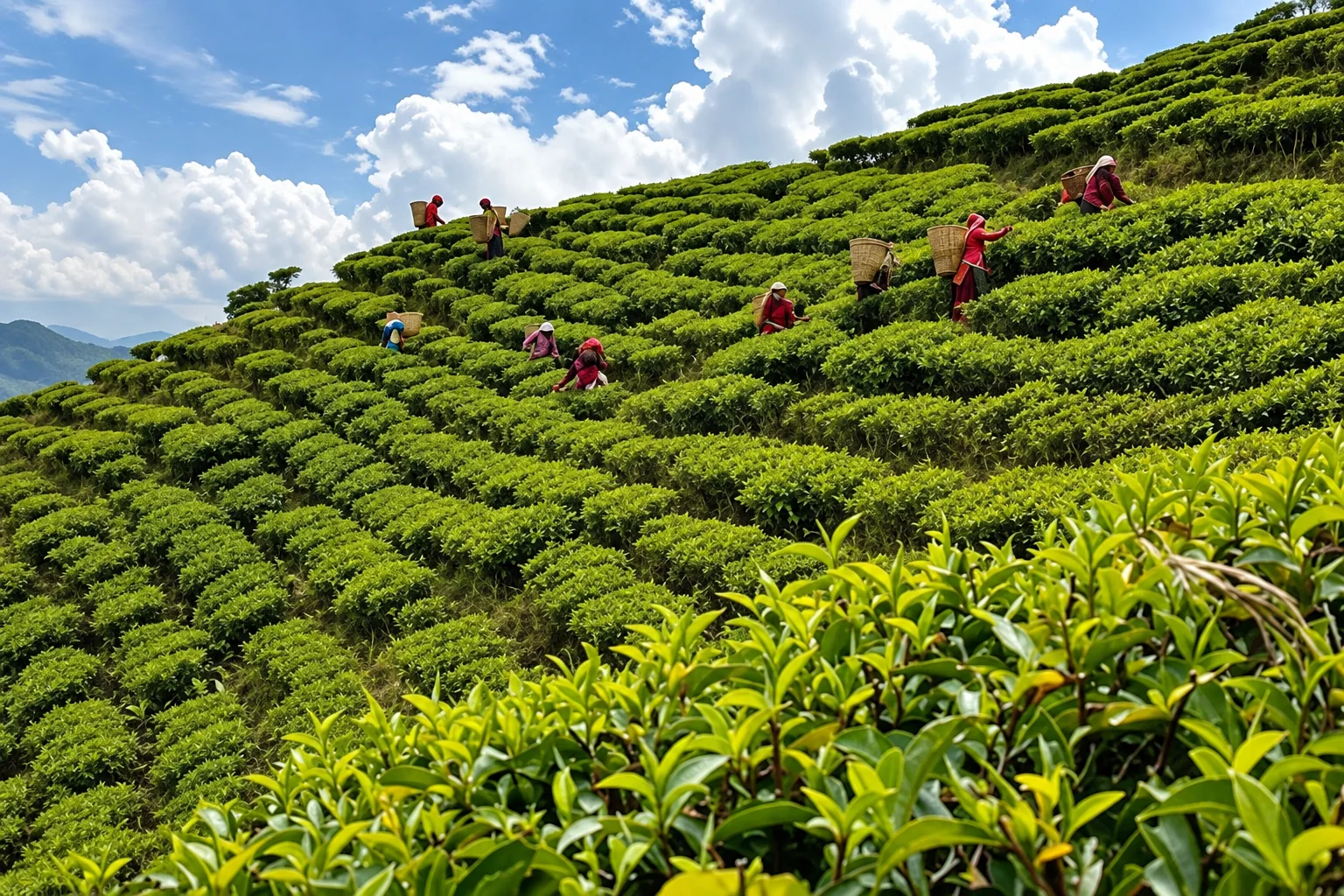
Located along the Mechi Highway, Kanyam is famous for its rolling hills covered with meticulously maintained tea bushes. The perfectly arranged rows of tea plants create stunning patterns across the landscape, making the area one of Nepal's most photographed destinations.
Walking through Kanyam is a peaceful and refreshing experience. Visitors can wander among the tea plantations, enjoy the cool mountain air, and admire the endless greenery that stretches toward the horizon. During early mornings, mist often drifts across the hills, creating a magical atmosphere that feels almost dreamlike.
The tea garden is particularly popular among photographers who come to capture the changing colors of the landscape throughout the day. Sunrise and sunset offer especially dramatic lighting conditions that transform the hills into a spectacular natural canvas.
Many local restaurants and tea houses provide opportunities to sample freshly brewed Ilam tea while enjoying panoramic views of the surrounding countryside. This combination of scenic beauty and authentic tea culture makes Kanyam an essential stop for every visitor.
Shree Antu: Nepal's Famous Sunrise Viewpoint
Located at an elevation of approximately 2,328 meters, Shree Antu is one of eastern Nepal's most celebrated viewpoints. The area is famous for offering breathtaking sunrise views and panoramic vistas of the eastern Himalayas.
Travelers often wake before dawn to reach the viewpoint and witness the spectacular sunrise. As the first rays of sunlight illuminate the distant mountains, the landscape gradually comes alive with vibrant colors and dramatic contrasts.
On clear days, visitors can enjoy views of:
• Kanchenjunga
• Makalu
• Everest Region Peaks
• Darjeeling Hills
• Eastern Nepal Valleys
The sunrise experience at Shree Antu is often described as one of the most memorable moments of any visit to Ilam. The combination of cool mountain air, peaceful surroundings, and extraordinary scenery creates a truly unforgettable atmosphere.
Beyond the viewpoint itself, the surrounding villages offer opportunities to experience local culture, traditional architecture, and warm hospitality.
Tea Tourism in Ilam
Tea is not simply an agricultural product in Ilam; it is a way of life. Tea tourism has become one of the district's fastest-growing attractions, providing visitors with opportunities to learn about the history, cultivation, and production of Nepal's famous tea.
Visitors can explore tea estates, observe workers harvesting tea leaves, visit processing facilities, and participate in tea-tasting experiences. These activities provide valuable insight into the dedication and expertise required to produce high-quality tea.
Many travelers are surprised by the complexity of tea production. From carefully selecting leaves to processing, drying, and packaging, every stage requires skill and attention to detail.
Tea tourism also supports local communities by creating employment opportunities and encouraging sustainable tourism practices that benefit both visitors and residents.
Maipokhari: The Sacred Wetland of Eastern Nepal
Among Ilam's many natural attractions, Maipokhari holds a special place due to its ecological and religious significance. This beautiful wetland consists of a sacred pond surrounded by dense forests and diverse wildlife habitats.
Recognized as a Ramsar Site, Maipokhari supports numerous species of birds, amphibians, fish, and plant life. The area serves as an important conservation site and attracts nature enthusiasts interested in biodiversity and environmental preservation.
For local communities, Maipokhari is also a sacred site. Both Hindus and Buddhists visit throughout the year to perform religious ceremonies and offer prayers. The peaceful environment creates an atmosphere of spiritual reflection and tranquility.
Visitors can enjoy nature walks, birdwatching, photography, and quiet moments beside the sacred waters while appreciating the region's ecological importance.
Culture and Lifestyle in Ilam
Ilam's cultural diversity is one of its greatest strengths. The district is home to numerous ethnic communities, each contributing unique traditions, languages, cuisines, and festivals.
The Rai and Limbu communities are particularly prominent and maintain strong connections to their cultural heritage. Traditional dances, music, rituals, and ceremonies continue to play important roles in community life.
Visitors often have opportunities to participate in local festivals, observe traditional practices, and interact with residents who are known for their warmth and hospitality. These experiences provide valuable insights into the cultural richness of eastern Nepal.
Many villages continue to practice traditional agricultural methods, preserving lifestyles that have remained largely unchanged for generations. Walking through these settlements offers a glimpse into authentic rural life far removed from modern urban environments.
Local Cuisine of Ilam
Food plays an important role in the visitor experience. Ilam's cuisine reflects the region's agricultural abundance and cultural diversity.
Popular local dishes include:
• Dhindo
• Gundruk
• Sel Roti
• Tongba
• Sukuti
• Local Vegetable Curries
• Bamboo Shoot Preparations
• Organic Tea Products
Fresh ingredients sourced from nearby farms contribute to the distinctive flavors of local cuisine. Visitors are encouraged to try traditional meals served in family-run restaurants and homestays, where authentic hospitality enhances the dining experience.
Tea remains an essential part of everyday life, and sampling freshly brewed orthodox tea is a must for anyone visiting the district.
Wildlife and Biodiversity
Ilam's forests and protected areas support a rich variety of plant and animal species. The district's diverse ecosystems provide habitats for numerous birds, mammals, reptiles, and insects.
Nature lovers may encounter:
• Red Panda
• Himalayan Black Bear
• Barking Deer
• Various Bird Species
• Rare Butterflies
• Native Flora
The region's biodiversity makes it an attractive destination for eco-tourism, birdwatching, and wildlife photography.
Accommodation in Ilam
Ilam offers accommodation options suitable for a wide range of travelers and budgets.
Available choices include:
• Luxury Resorts
• Boutique Hotels
• Tea Estate Lodges
• Family Homestays
• Budget Guesthouses
Many accommodations provide spectacular views of tea gardens, hills, and surrounding landscapes. Homestays are particularly popular among travelers seeking authentic cultural experiences and opportunities to interact with local communities.
Suggested 4-Day Ilam Tour Itinerary
Day 01:
• Arrival in Ilam
• Drive or fly to Ilam
• Explore Ilam Bazaar
• Evening walk around town
• Overnight stay in Ilam
Day 02:
• Kanyam and Fikkal
• Breakfast
• Visit Kanyam Tea Garden
• Tea tasting experience
• Explore Fikkal Market
• Sunset photography
• Overnight stay
Day 03:
• Shree Antu and Maipokhari
• Early morning sunrise at Shree Antu
• Breakfast
• Visit Maipokhari
• Cultural village exploration
• Return to hotel
Day 04:
• Departure
• Breakfast
• Final sightseeing
• Return journey
Travel Tips for Visiting Ilam
• Carry light jackets throughout the year.
• Wear comfortable walking shoes.
• Bring a camera for photography.
• Respect local traditions and customs.
• Taste locally produced tea.
• Start early for sunrise viewpoints.
• Carry rain protection during monsoon.
• Support local businesses whenever possible.
• Practice responsible tourism.
• Keep the environment clean.
Why Ilam Should Be on Every Traveler's Bucket List
Ilam offers a side of Nepal that many international visitors never experience. Beyond the famous trekking routes and towering Himalayan peaks lies a region of extraordinary beauty, cultural richness, and peaceful landscapes.
The district provides opportunities to relax, explore, learn, and connect with nature in ways that few destinations can match. Whether you are admiring sunrise views from Shree Antu, walking through Kanyam's tea gardens, learning about tea production, or simply enjoying the fresh mountain air, Ilam creates memories that remain long after the journey ends.
For travelers seeking authenticity, tranquility, and natural beauty, Ilam stands among Nepal's most rewarding destinations.
The Beauty of Ilam Through the Seasons
One of Ilam's greatest attractions is its year-round beauty. Each season offers a unique perspective on the district's landscapes and cultural life.
• Spring (March to May)
Spring is one of the most popular seasons to visit Ilam. Flowers bloom across the hills, temperatures remain pleasant, and the tea gardens appear vibrant and healthy. Rhododendrons add colorful displays to the surrounding forests, creating stunning scenery throughout the region.
• Monsoon (June to September)
The monsoon transforms Ilam into a lush green paradise. Frequent rainfall nourishes the tea plantations and forests, making the landscapes exceptionally beautiful. Misty mornings and dramatic cloud formations create excellent photography opportunities.
• Autumn (October to November)
Autumn is widely considered the best season for sightseeing. Clear skies provide excellent visibility of the Himalayas, while comfortable temperatures make outdoor activities enjoyable.
• Winter (December to February)
Winter brings cooler temperatures and peaceful surroundings. Morning fog often blankets the tea gardens, creating a magical atmosphere that attracts photographers and nature lovers.
Frequently Asked Questions About Ilam
1. Why is Ilam famous?
Ilam is famous for its tea gardens, scenic hills, and tea production.
2. Where is Ilam located?
Ilam is located in eastern Nepal within Koshi Province.
3. What is the best time to visit Ilam?
Spring and autumn are considered the best seasons.
4. What is Kanyam famous for?
Its beautiful tea gardens and landscapes.
5. Can I visit tea factories?
Yes, many tea estates welcome visitors.
6. Is Ilam suitable for families?
Yes, it is ideal for family holidays.
7. How many days are needed?
Three to four days are recommended.
8. Is Ilam good for honeymooners?
Yes, the peaceful atmosphere makes it perfect for couples.
9. What can I buy in Ilam?
Tea, cardamom, handicrafts, and local products.
10. Is Ilam safe for solo travelers?
Yes, it is considered very safe.
11. Can I see Kanchenjunga from Ilam?
Yes, on clear days from Shree Antu.
12. What is Maipokhari?
A sacred wetland and Ramsar conservation site.
13. Is Ilam crowded?
No, it remains peaceful compared to major tourist hubs.
14. What food should I try?
Dhindo, Gundruk, Tongba, Sel Roti, and local tea.
15. Is Ilam suitable year-round?
Yes, every season offers unique experiences.
16. Are there luxury accommodations?
Yes, several quality resorts are available.
17. What activities can I do?
Sightseeing, tea tours, photography, hiking, and cultural exploration.
18. Is tea tourism available?
Yes, it is one of the district's major attractions.
19. Can children visit Ilam?
Absolutely. It is family-friendly.
20. Why book with Khushi Travels and Consulting Group?
Khushi Travels provides customized itineraries, transportation, accommodation arrangements, local guides, sightseeing tours, and personalized travel support to ensure a comfortable and memorable journey throughout Nepal.
21. How can I reach Ilam from Siliguri?
Ilam is one of the easiest destinations in Nepal to reach from Siliguri. Travelers can drive from Siliguri to the Panitanki border, which is approximately 35 kilometers away and takes around 45 minutes to 1 hour. After crossing into Nepal through the Kakarbhitta border, Ilam Bazaar is about 75 kilometers away and can be reached within 2 to 3 hours by private vehicle. The entire journey from Siliguri to Ilam typically takes around 4 to 5 hours, making it an ideal short getaway destination.
22. How do I reach Ilam from New Jalpaiguri (NJP)?
Travelers arriving at New Jalpaiguri Railway Station (NJP) can hire a taxi or take local transportation to Panitanki Border, located approximately 32 kilometers away. After completing border formalities at Kakarbhitta, travelers can continue their journey by private vehicle to Ilam. The total travel time from NJP to Ilam is generally between 4 and 5 hours, depending on road and border conditions.
23. Can Indian citizens visit Ilam, Nepal?
Yes. Indian citizens can freely travel to Ilam and other parts of Nepal without a visa. Travelers are advised to carry a valid Passport or Voter ID Card for identification purposes while crossing the border. Due to its proximity to India, Ilam has become a popular destination for Indian tourists seeking scenic hill stations, tea gardens, and peaceful vacations.
24. How far is Ilam from Darjeeling?
Ilam is located approximately 90 to 100 kilometers from Darjeeling, depending on the chosen route. The journey usually takes around 4 to 5 hours by road. Many travelers combine Darjeeling and Ilam into a single itinerary to enjoy the tea cultures, mountain scenery, and unique experiences offered by both destinations.
25. How can I visit Kanyam Tea Garden from Siliguri?
Kanyam Tea Garden is one of the closest and most popular attractions in Nepal for travelers from Siliguri. After crossing the Panitanki-Kakarbhitta border, Kanyam is approximately 55 kilometers away and can be reached within 2 hours by road. Many visitors choose Kanyam for a day trip or weekend getaway due to its beautiful tea estates, scenic landscapes, and easy accessibility.
26. Is Ilam a good tour destination from West Bengal?
Absolutely. Ilam is one of the most popular international destinations for travelers from West Bengal because of its close proximity, beautiful tea gardens, cool climate, and peaceful atmosphere. Visitors from Kolkata, Siliguri, Darjeeling, Kalimpong, and surrounding areas frequently travel to Ilam for family holidays, honeymoon trips, photography tours, and weekend escapes.
27. How can I reach Ilam from Bagdogra Airport?
Bagdogra Airport is the nearest major airport for travelers visiting Ilam from India. After landing at Bagdogra, travelers can drive approximately 15 kilometers to Panitanki Border and cross into Nepal through Kakarbhitta. From there, Ilam can be reached within 2 to 3 hours by road. The total travel time from Bagdogra Airport to Ilam is usually around 4 hours, making it one of the most convenient routes for domestic and international travelers.
28. Is Ilam suitable for a weekend trip from India?
Yes. Ilam is an excellent weekend destination for travelers from eastern India. Its proximity to Siliguri, Darjeeling, Kalimpong, and Bagdogra allows visitors to explore the region comfortably within two or three days. Popular weekend activities include visiting Kanyam Tea Garden, watching the sunrise from Shree Antu, exploring Maipokhari, enjoying tea estate walks, and experiencing local Nepali culture.
29. Which is the nearest border crossing to Ilam?
The nearest and most commonly used border crossing is the Panitanki (India) – Kakarbhitta (Nepal) border. This border serves as the primary gateway for travelers visiting Ilam from India and provides easy road connectivity to all major attractions in the district.
30. Can I combine Darjeeling and Ilam in one trip?
Yes. Combining Darjeeling and Ilam is highly recommended. Both destinations are famous for tea gardens, mountain scenery, pleasant weather, and cultural experiences. Many travelers spend 2 to 3 days in Darjeeling followed by 2 to 3 days in Ilam to enjoy the best of both regions.
31. What is the ideal duration for an Ilam tour from India?
A 2-night/3-day or 3-night/4-day itinerary is ideal for most Indian travelers. This allows sufficient time to explore Kanyam Tea Garden, Shree Antu, Maipokhari, Ilam Bazaar, tea estates, and nearby attractions while enjoying the peaceful atmosphere of eastern Nepal.
32. Why is Ilam becoming popular among Indian travelers?
Ilam offers a unique combination of stunning tea gardens, beautiful Himalayan views, peaceful surroundings, authentic local culture, and easy accessibility from India. Unlike many crowded hill stations, Ilam provides a more relaxed and authentic travel experience, making it increasingly popular among travelers seeking nature, photography, and tranquility.
Plan Your Ilam Journey with Khushi Travels and Consulting Group
At Khushi Travels and Consulting Group, we specialize in creating unforgettable travel experiences across Nepal. Whether you are planning a leisure holiday, family vacation, honeymoon, cultural tour, or customized Nepal adventure, our experienced team is ready to assist every step of the way.
Contact Us
Email: info@khushiservice.com
Email: booking@khushiservice.com
Phone: +977 014975759
Phone: +977 9768988868
Location: Sorahkhutte, Kathmandu, Nepal
Website: www.khushiservice.com
Book Your Nepal Adventure Today and discover the peaceful beauty, rich culture, and breathtaking landscapes of Ilam.
Similar Blogs
We are associated with