Lwang Village Nepal: Complete Travel Guide to Nepal's Tea Garden Paradise

Nestled in the peaceful hills of Kaski District near Pokhara, Lwang Village is one of Nepal's most beautiful emerging rural tourism destinations. Surrounded by lush tea gardens, traditional Gurung settlements, terraced farmlands, dense forests, and breathtaking Himalayan landscapes, this charming village offers visitors an authentic glimpse into rural Nepalese life. Far from the busy streets and crowded tourist centers, Lwang provides a refreshing escape where nature, culture, and community come together to create a truly memorable travel experience.
Located approximately 30 kilometers northwest of Pokhara, Lwang has become increasingly popular among domestic and international travelers seeking meaningful travel experiences. Unlike commercial tourism hubs, the village maintains its traditional character and peaceful atmosphere while offering comfortable homestays, cultural programs, tea garden tours, and opportunities to interact with local communities. Whether you are a photographer searching for stunning landscapes, a cultural explorer interested in village traditions, or a traveler simply looking to relax in nature, Lwang Village promises an unforgettable journey.
The village is also recognized as one of Nepal's successful examples of community-based tourism, where tourism directly benefits local residents while helping preserve cultural heritage and the natural environment. Every visit contributes to the local economy and supports sustainable tourism initiatives that allow future generations to continue enjoying the beauty of this remarkable destination.
Why Lwang Village is Becoming One of Nepal's Most Popular Rural Tourism Destinations
As travelers increasingly seek authentic and sustainable travel experiences, Lwang Village has emerged as one of Nepal's most attractive rural destinations. Unlike heavily commercialized tourist areas, Lwang offers visitors the opportunity to experience genuine village life while enjoying spectacular natural surroundings.
The village's unique combination of tea plantations, Gurung culture, Himalayan views, community homestays, and peaceful landscapes creates an experience that is both relaxing and culturally enriching. Visitors are not merely sightseeing; they become part of the local environment, learning about traditional lifestyles and participating in activities that reflect the daily rhythm of village life.
Many travelers describe Lwang as a hidden paradise where they can disconnect from modern distractions and reconnect with nature. The fresh mountain air, scenic walking trails, and warm hospitality create an atmosphere that leaves a lasting impression on everyone who visits.
Some reasons travelers choose Lwang Village include:
• Beautiful tea gardens
• Authentic Gurung culture
• Traditional homestay experiences
• Stunning Himalayan views
• Peaceful natural surroundings
• Community-based tourism
• Photography opportunities
• Nature walks and hiking trails
• Local food experiences
• Easy access from Pokhara
For those looking to explore a different side of Nepal beyond famous trekking routes and urban attractions, Lwang Village offers one of the most rewarding travel experiences in the country.
Location and How to Reach Lwang Village
Lwang Village is located in Machhapuchhre Rural Municipality of Kaski District in Gandaki Province, Nepal. Situated on the southern slopes of the Annapurna region, the village enjoys a scenic location surrounded by green hills, forests, tea plantations, and agricultural terraces.
Distance from Pokhara
| Destination | Distance | Travel Time |
|---|---|---|
| Pokhara Lakeside to Lwang Village | Approximately 30 km | 1.5 – 2 Hours |
| Pokhara Airport to Lwang Village | Approximately 25 km | 1 – 1.5 Hours |
Distance from Kathmandu
| Route | Distance | Travel Time |
|---|---|---|
| Kathmandu to Lwang Village | Approximately 230 km | 7 – 9 Hours by Road |
| Kathmandu to Pokhara Flight + Drive | Flight 25 Minutes + 1.5 Hours Drive | Fastest Option |
Transportation Options
Private Vehicle
Hiring a private car or jeep from Pokhara is the most comfortable way to reach Lwang Village.
Ideal For:
Families, photographers, couples, and groups.
Local Transportation
Local buses and shared vehicles operate between Pokhara and nearby areas, though private transportation is generally more convenient for tourists.
Guided Tours
Many travelers choose organized tours that include transportation, tea garden visits, cultural experiences, and homestay arrangements.
History and Development of Lwang Village
For generations, the residents of Lwang depended primarily on agriculture and livestock farming. The local Gurung community cultivated crops, raised animals, and maintained a traditional lifestyle deeply connected to the land and natural environment.
As tourism began expanding throughout Nepal, local leaders recognized the potential of promoting community-based tourism as a sustainable source of income. Rather than building large resorts or commercial hotels, the community focused on preserving its cultural heritage while welcoming visitors through homestays and local tourism initiatives.
One of the most significant developments in the village's history was the establishment of tea plantations. The successful cultivation of tea transformed the landscape and provided new economic opportunities for local residents. Over time, the tea gardens became one of the village's most recognizable attractions and played a major role in attracting visitors.
Today, Lwang stands as an excellent example of how tourism can support local development while protecting traditional culture, community values, and the natural environment.
The Beautiful Tea Gardens of Lwang Village
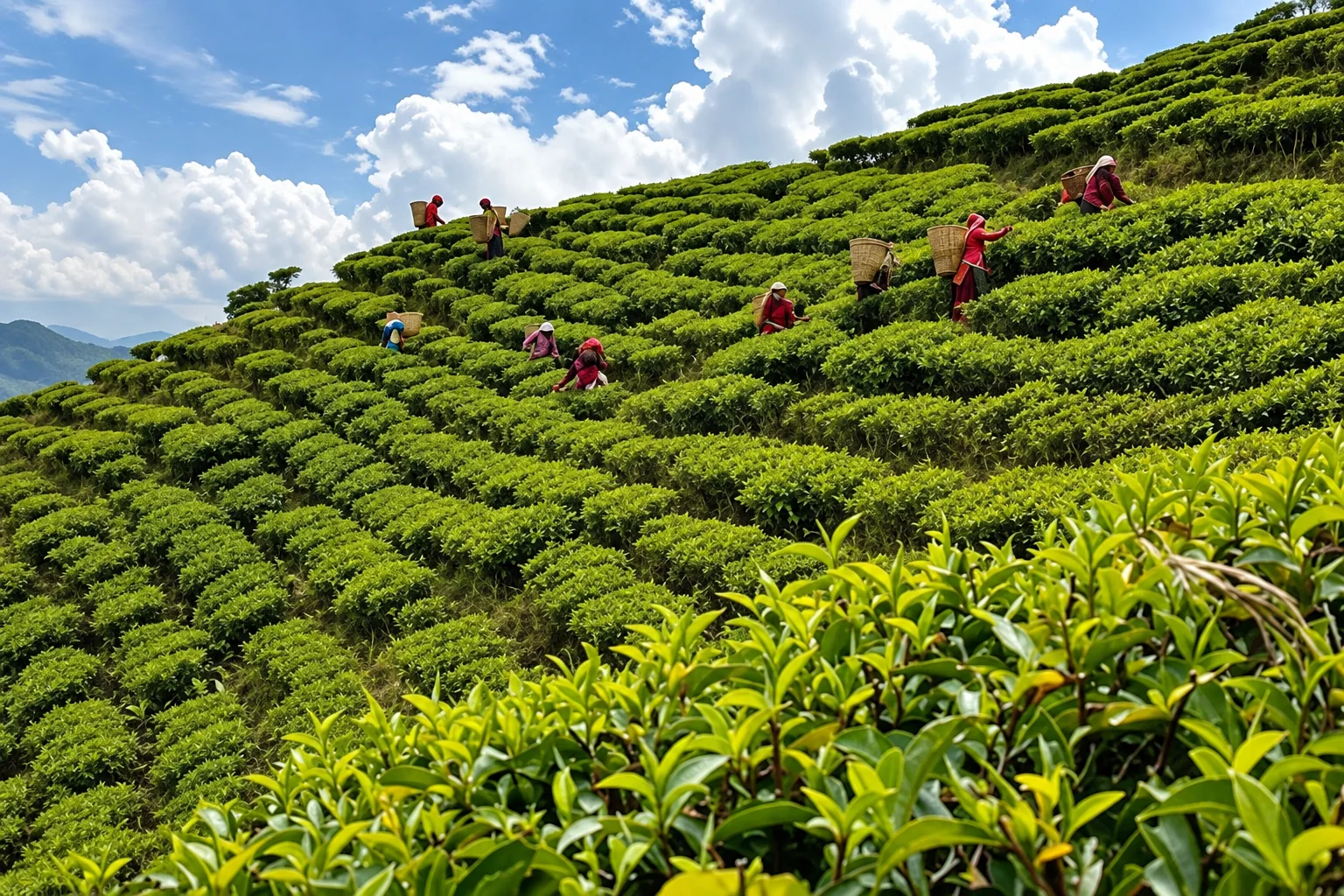
The tea gardens are undoubtedly the most iconic attraction in Lwang Village. Covering the surrounding hillsides in vibrant shades of green, these plantations create breathtaking scenery that attracts visitors throughout the year.
Walking through the tea gardens is one of the most enjoyable experiences available in the village. Narrow trails wind between carefully maintained rows of tea plants, offering stunning views of the surrounding hills and distant mountains. The peaceful atmosphere, combined with the fresh mountain air, creates a relaxing environment that feels far removed from urban life.
Visitors can learn about:
| Tea Garden Experiences |
|---|
| • Tea cultivation methods |
| • Organic farming practices |
| • Tea harvesting techniques |
| • Tea processing procedures |
| • Community agriculture projects |
| • Local tea tasting |
During harvest periods, visitors often witness local farmers collecting fresh tea leaves using traditional methods that have been practiced for generations.
The tea gardens are especially beautiful during the monsoon season when the hills become lush and intensely green. Early morning mist drifting through the plantations creates magical landscapes that are perfect for photography and nature appreciation.
Gurung Culture and Traditional Heritage
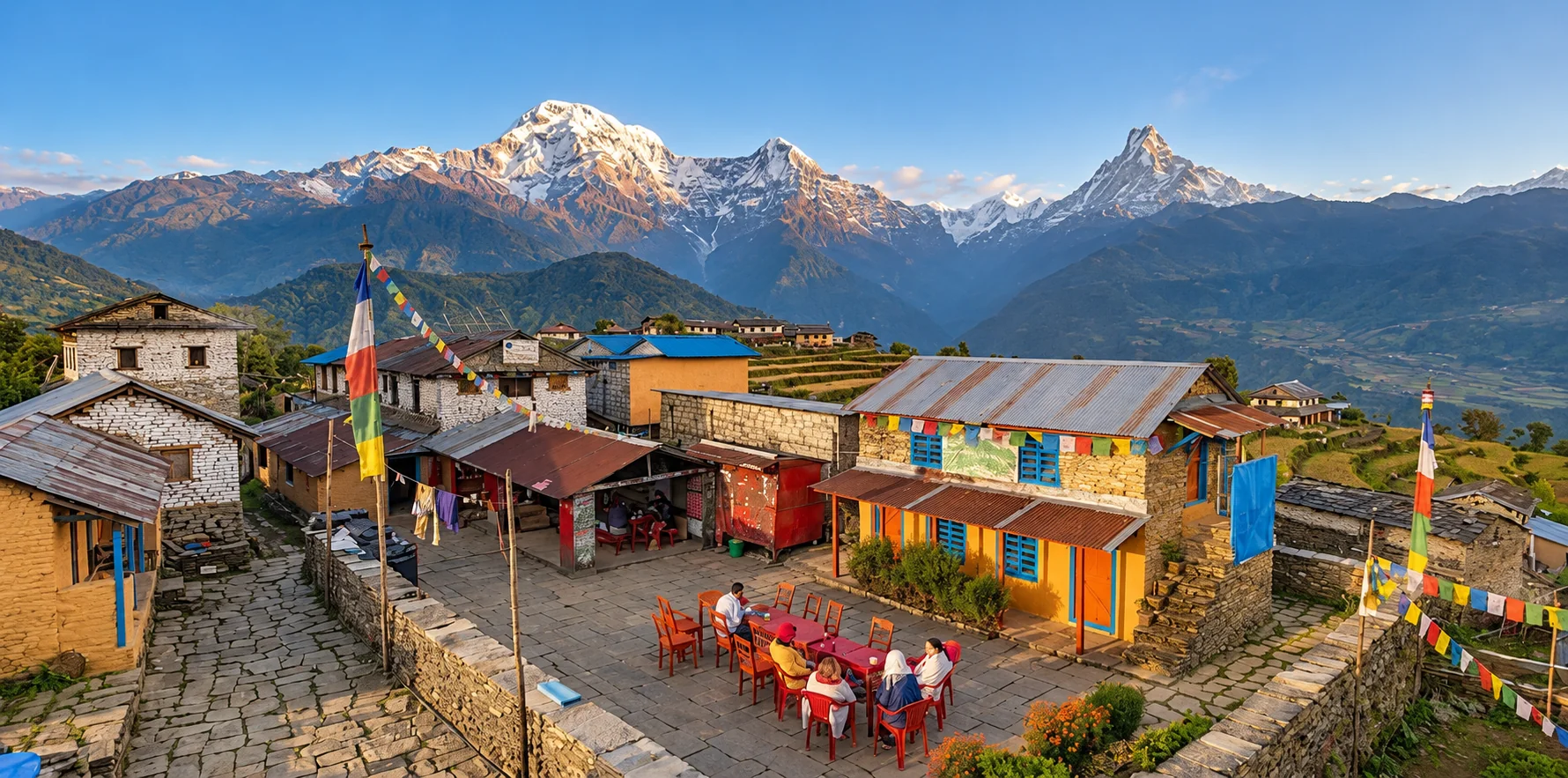
Lwang Village is predominantly inhabited by the Gurung community, one of Nepal's most respected and culturally rich ethnic groups. The Gurungs are known for their hospitality, traditions, colorful festivals, folk music, and strong community values.
Walking through the village, visitors encounter traditional stone houses, flower-filled courtyards, agricultural terraces, and community spaces that reflect centuries of cultural heritage. The architecture and village layout showcase the community's deep connection to its history and environment.
Visitors staying in homestays often have opportunities to experience:
• Traditional Gurung cuisine
• Cultural dance performances
• Folk music programs
• Village ceremonies
• Traditional farming activities
• Community gatherings
• Local handicrafts
The warmth and friendliness of local residents make cultural interaction one of the most rewarding aspects of visiting Lwang Village.
Experience Authentic Village Life
One of the greatest attractions of Lwang is the opportunity to experience genuine village life. Unlike commercial tourist destinations, daily activities continue naturally, allowing visitors to observe and participate in traditional routines.
Early mornings begin with farmers working in fields and tea gardens while families prepare traditional meals. Throughout the day, visitors can observe agricultural activities, community interactions, and local customs that have remained unchanged for generations.
Popular village experiences include:
• Tea garden walks
• Farming activities
• Traditional cooking experiences
• Cultural exchanges
• Village sightseeing tours
• Community tourism programs
• Organic food experiences
These activities provide visitors with a deeper understanding of Nepal's rural lifestyle and cultural heritage.
Himalayan Views and Natural Beauty
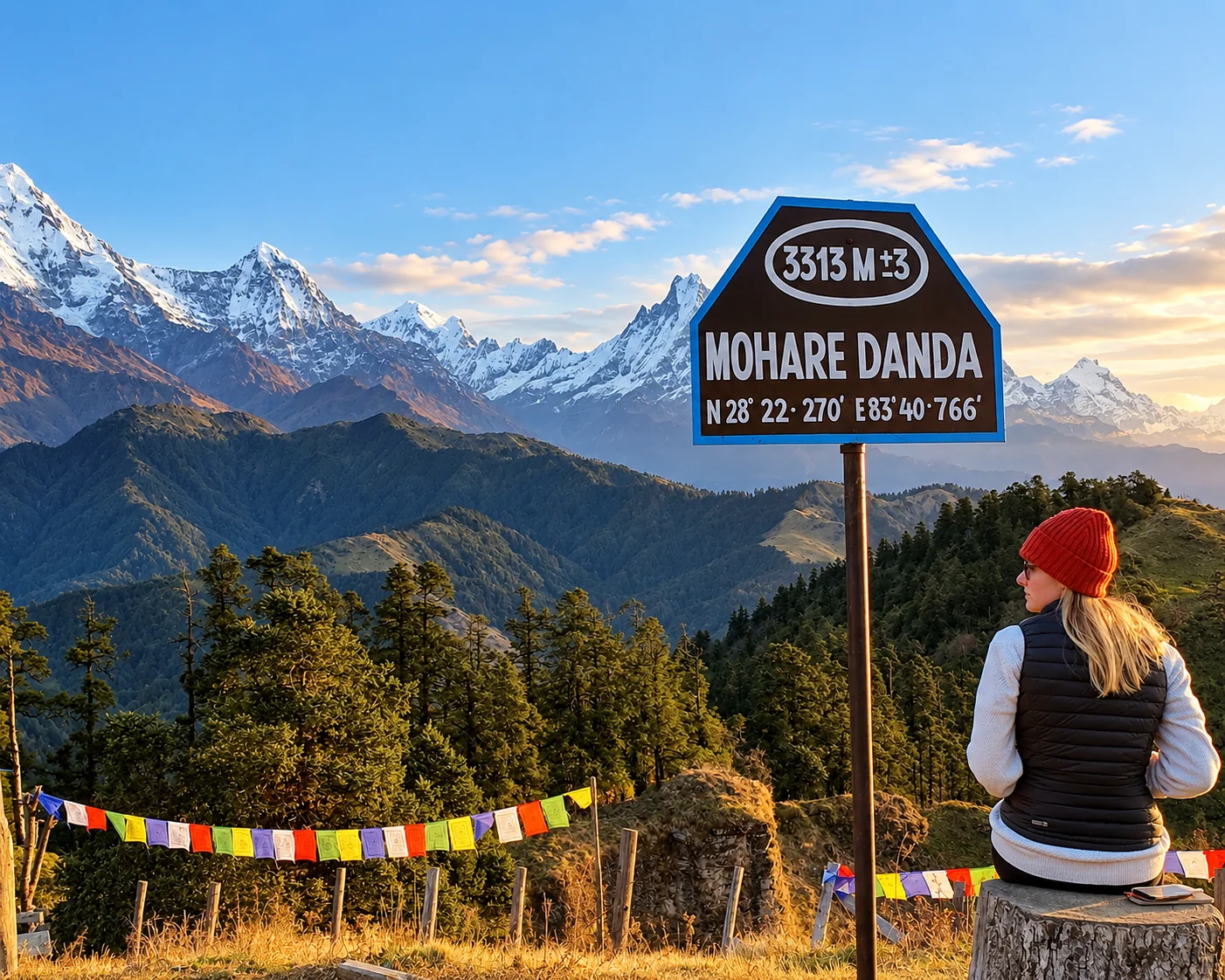
Although Lwang is located at a moderate altitude, it offers spectacular views of the Annapurna region and surrounding mountain ranges.
Mountains Visible from Lwang Village
| Mountain | Elevation |
|---|---|
| Machhapuchhre (Fishtail) | 6,993 m |
| Annapurna South | 7,219 m |
| Hiunchuli | 6,441 m |
| Lamjung Himal | 6,983 m |
The combination of snow-capped mountains, tea plantations, forests, agricultural terraces, and traditional villages creates one of the most beautiful landscapes near Pokhara.
Sunrise and sunset are particularly stunning as golden light illuminates the Himalayan peaks and surrounding hills. Nature lovers, photographers, and travelers seeking peace will find countless opportunities to appreciate the area's natural beauty.
The tranquil environment, fresh mountain air, and spectacular scenery make Lwang Village a destination that perfectly captures the essence of rural Nepal.
Best Things to Do in Lwang Village
Although Lwang Village is known primarily for its tea gardens and peaceful rural atmosphere, visitors will find a variety of activities that allow them to experience the region's culture, nature, and traditional lifestyle. Whether you are looking for relaxation, photography, cultural immersion, or light adventure, Lwang offers experiences that are both enjoyable and meaningful.
From exploring tea plantations and interacting with local families to enjoying mountain views and nature walks, every activity in Lwang reflects the simplicity and beauty of rural Nepal.
Explore the Tea Gardens of Lwang
The tea plantations are the heart of Lwang Village tourism. Spread across the surrounding hillsides, these beautiful green gardens provide visitors with an opportunity to experience one of Nepal's most unique agricultural landscapes.
Walking through the tea fields is a relaxing experience that combines nature, culture, and photography. The trails wind through neatly maintained rows of tea plants while offering magnificent views of the surrounding countryside.
Visitors can observe local farmers at work and learn about tea cultivation, harvesting techniques, and traditional farming practices.
Tea Garden Experience Highlights:
| Activity | Experience |
|---|---|
| Tea Garden Walk | Scenic walks through lush plantations |
| Tea Harvest Observation | Watch local farmers collect tea leaves |
| Tea Tasting | Sample locally produced tea |
| Photography | Capture landscapes and village life |
| Organic Farming Experience | Learn sustainable farming methods |
The tea gardens are especially beautiful during early morning hours when mist covers the hills and creates a magical atmosphere.
Stay in a Traditional Homestay
One of the most memorable experiences in Lwang Village is staying in a traditional community homestay. These homestays allow visitors to experience authentic village life while directly supporting local families.
Unlike hotels, homestays provide a personal connection with local residents. Guests can enjoy home-cooked meals, learn about Gurung culture, and participate in everyday village activities.
Many visitors find that their interactions with local families become the highlight of their journey.
Benefits of Staying in a Homestay
• Experience authentic village life
• Enjoy traditional Nepali meals
• Learn local customs and traditions
• Support community tourism
• Interact with local families
• Participate in cultural activities
The warmth and hospitality of the local people create an unforgettable travel experience that goes far beyond ordinary sightseeing.
Enjoy Spectacular Sunrise and Sunset Views
Lwang Village offers some of the most beautiful sunrise and sunset views in the Pokhara region. The combination of Himalayan peaks, tea gardens, forests, and rolling hills creates breathtaking scenery throughout the day.
Early mornings are particularly rewarding. As the sun rises above the mountains, golden light spreads across the tea plantations and village rooftops. Mist often drifts through the valleys, creating dreamlike landscapes perfect for photography.
Evenings are equally spectacular as the setting sun paints the sky with shades of orange, pink, and gold.
Best Times for Photography
| Time | Highlights |
|---|---|
| Sunrise | Golden mountain views, morning mist |
| Morning | Clear tea garden scenery |
| Afternoon | Bright landscapes and village life |
| Sunset | Dramatic sky colors and mountain silhouettes |
Photographers and nature lovers often spend hours capturing the changing beauty of the landscape.
Experience Traditional Gurung Culture
Lwang Village is home to the Gurung community, one of Nepal's most culturally rich ethnic groups. Visitors have opportunities to experience traditional customs, music, dance, and local celebrations that have been preserved for generations.
Many homestays and community tourism programs organize cultural performances where guests can enjoy traditional dances and folk songs.
Cultural Experiences in Lwang
• Traditional Gurung dances
• Folk music performances
• Community gatherings
• Cultural storytelling
• Traditional dress displays
• Local festivals and celebrations
These experiences provide valuable insight into the history and traditions of rural Nepal.
Explore Village Trails and Nature Walks
The area surrounding Lwang Village is ideal for short hikes and nature walks. Scenic trails pass through tea gardens, forests, agricultural terraces, and traditional settlements, allowing visitors to experience the natural beauty of the region at a relaxed pace.
These walks are suitable for travelers of all ages and fitness levels.
Popular Walking Routes
| Route | Duration | Difficulty |
|---|---|---|
| Tea Garden Trail | 1–2 Hours | Easy |
| Village Exploration Walk | 1 Hour | Easy |
| Forest Nature Trail | 2–3 Hours | Easy to Moderate |
| Ridge Viewpoint Walk | 2–4 Hours | Moderate |
Along these trails, visitors can enjoy fresh mountain air, birdwatching opportunities, and spectacular views of the surrounding countryside.
Photography Opportunities in Lwang Village
Lwang Village is a paradise for photographers. Every corner of the village offers beautiful compositions featuring nature, culture, agriculture, and mountain scenery.
Popular photography subjects include:
• Tea plantations
• Traditional Gurung houses
• Himalayan mountain views
• Sunrise landscapes
• Sunset scenery
• Local farming activities
• Cultural programs
• Village pathways
• Forest landscapes
• Daily village life
The combination of natural beauty and authentic cultural experiences makes Lwang one of the most photogenic destinations near Pokhara.
Birdwatching and Wildlife
The forests and natural surroundings of Lwang support a variety of bird species and wildlife. Birdwatchers often enjoy early morning walks when activity is highest.
Visitors may encounter:
• Himalayan birds
• Kingfishers
• Bulbuls
• Woodpeckers
• Eagles
• Various seasonal migratory birds
Nature enthusiasts appreciate the peaceful environment and rich biodiversity found around the village.
Best Time to Visit Lwang Village
Lwang Village can be visited throughout the year, but each season offers a different experience.
| Season | Months | Highlights |
|---|---|---|
| Spring | March – May | Blooming flowers, pleasant weather, green hills |
| Summer & Monsoon | June – August | Lush tea gardens and vibrant landscapes |
| Autumn | September – November | Clear skies and excellent mountain views |
| Winter | December – February | Peaceful atmosphere and beautiful sunrises |
Autumn and spring are generally considered the best seasons due to comfortable temperatures and excellent visibility.
Why Travelers Love Lwang Village
Travelers visiting Lwang often describe it as one of the most authentic destinations in Nepal. Unlike crowded tourist centers, the village offers peace, simplicity, and meaningful cultural interactions.
What Makes Lwang Special?
| Feature | Why Visitors Love It |
|---|---|
| Tea Gardens | Unique landscapes and peaceful walks |
| Homestays | Authentic cultural experiences |
| Gurung Culture | Rich traditions and hospitality |
| Mountain Views | Stunning Himalayan scenery |
| Rural Lifestyle | Genuine village experiences |
| Accessibility | Easy access from Pokhara |
| Photography | Excellent natural and cultural subjects |
For travelers seeking a destination that combines nature, culture, community, and relaxation, Lwang Village stands out as one of Nepal's most rewarding hidden gems.
Nearby Attractions Around Lwang Village
Visitors exploring Lwang Village can easily combine their trip with several nearby destinations around Pokhara and the Annapurna foothills. These attractions offer additional opportunities for sightseeing, hiking, cultural exploration, and photography.
Australian Camp
Located on a scenic ridge overlooking the Annapurna range, Australian Camp is one of the most popular short hiking destinations near Pokhara. The viewpoint offers spectacular sunrise and sunset views of Annapurna South, Machhapuchhre, Hiunchuli, and Lamjung Himal.
Dhampus Village
Dhampus is a beautiful Gurung village known for its traditional houses, panoramic mountain views, and trekking routes. Many visitors combine Dhampus and Lwang to experience authentic village life and Himalayan scenery.
Kande
Kande serves as the gateway to several popular hiking trails including Australian Camp and Dhampus. The area offers beautiful landscapes and easy access to the Annapurna foothills.
Pokhara
Located just a short drive from Lwang, Pokhara offers numerous attractions including:
• Phewa Lake
• Davis Falls
• Gupteshwor Cave
• World Peace Pagoda
• Sarangkot
• International Mountain Museum
• Begnas Lake
• Rupa Lake
Nearby Attractions at a Glance
| Attraction | Distance from Lwang | Highlights |
|---|---|---|
| Australian Camp | Approx. 12 km | Mountain views and hiking |
| Dhampus Village | Approx. 10 km | Gurung culture and scenery |
| Kande | Approx. 8 km | Trekking gateway |
| Pokhara Lakeside | Approx. 30 km | Tourism hub and attractions |
| Begnas Lake | Approx. 45 km | Peaceful lake experience |
| Sarangkot | Approx. 35 km | Sunrise viewpoint |
Accommodation in Lwang Village
Lwang Village focuses primarily on community-based tourism, meaning visitors stay in locally operated homestays and guesthouses rather than large commercial hotels.
These accommodations provide comfortable lodging while allowing travelers to experience authentic Nepalese hospitality.
Accommodation Options
| Accommodation Type | Features |
|---|---|
| Community Homestays | Local family experience, traditional meals |
| Village Guesthouses | Comfortable rooms and local hospitality |
| Eco-Lodges | Nature-focused accommodation |
| Pokhara Hotels | Suitable for day-trip visitors |
What to Expect
Most accommodations provide:
• Clean and comfortable rooms
• Traditional Nepali meals
• Hot drinks and local tea
• Cultural interaction opportunities
• Scenic village views
• Friendly local hospitality
The simple yet welcoming environment often becomes one of the most memorable aspects of a visit to Lwang.
Food and Dining Experience
Food in Lwang Village reflects the agricultural lifestyle of the community. Meals are typically prepared using fresh locally grown ingredients, organic vegetables, and traditional cooking methods.
Visitors can enjoy authentic Nepali cuisine while learning about local food culture.
Popular Foods to Try
| Dish | Description |
|---|---|
| Dal Bhat | Traditional rice and lentil meal |
| Gundruk | Fermented leafy vegetable dish |
| Momo | Nepali dumplings |
| Dhido | Traditional millet or buckwheat meal |
| Local Chicken Curry | Village-style preparation |
| Seasonal Vegetables | Fresh organic produce |
| Local Tea | Tea grown in Lwang plantations |
Dining in Lwang is not only about food but also about sharing stories, traditions, and hospitality with local families.
Useful Information for Travelers
Quick Travel Information
| Information | Details |
|---|---|
| Location | Kaski District, Gandaki Province |
| Altitude | Approximately 1,460 meters |
| Nearest City | Pokhara |
| Distance from Pokhara | Approximately 30 km |
| Best Duration | 1–2 Days |
| Best Seasons | Spring and Autumn |
| Main Attraction | Tea Gardens and Gurung Culture |
| Accommodation | Homestays and Guesthouses |
Mobile Network and Internet
Most major mobile networks operate in the village. Basic internet services are available in many homestays and guesthouses, although speeds may vary.
Electricity
Electricity is available throughout the village. Travelers are advised to carry a power bank for convenience during outdoor activities.
ATM Services
ATMs are limited within the village. Visitors should carry sufficient cash before arriving from Pokhara.
Transportation Guide
From Kathmandu
Option 1: Flight + Road Transfer
| Route | Duration |
|---|---|
| Kathmandu to Pokhara Flight | 25 Minutes |
| Pokhara to Lwang Village | 1.5–2 Hours |
Option 2: Tourist Bus
| Route | Duration |
|---|---|
| Kathmandu to Pokhara | 6–8 Hours |
| Pokhara to Lwang Village | 1.5–2 Hours |
Local Transportation
Available transportation options include:
• Private Jeep
• Private Car
• Motorcycle
• Local Bus
• Guided Tour Vehicles
Private transportation is generally the most convenient option for visitors.
Estimated Travel Costs
| Service | Approximate Cost Range |
|---|---|
| Pokhara to Lwang Private Vehicle | Moderate |
| Homestay Accommodation | Budget-Friendly |
| Meals | Affordable |
| Guided Village Tour | Reasonable |
| Tea Garden Experience | Often Included with Local Tours |
Prices may vary depending on season and service provider.
Photography Guide
Lwang Village is one of the most photogenic rural destinations near Pokhara.
Best Photography Locations
• Tea Gardens
• Village Viewpoints
• Traditional Gurung Houses
• Agricultural Terraces
• Forest Trails
• Sunrise Observation Points
• Mountain View Areas
Best Photography Times
| Time | Highlights |
|---|---|
| 6:00 AM – 8:30 AM | Sunrise and morning mist |
| 4:00 PM – Sunset | Golden light and landscapes |
Popular photography subjects include tea plantations, local culture, mountain scenery, wildlife, and village life.
Responsible Tourism in Lwang Village
Lwang's success depends heavily on sustainable tourism and community participation.
Visitors are encouraged to:
• Respect local customs and traditions
• Support local businesses
• Avoid littering
• Use reusable water bottles
• Respect private property
• Minimize environmental impact
• Follow local guidelines
Responsible travel helps preserve the village's unique character and supports local livelihoods.
Travel Tips for Visiting Lwang Village
1. Stay Overnight
Many travelers visit only for a few hours, but staying overnight allows you to experience sunrise, sunset, and village life more fully.
2. Carry Cash
Cash is recommended since digital payment facilities may be limited.
3. Wear Comfortable Footwear
Village trails and tea garden paths are best explored with comfortable walking shoes.
4. Bring a Camera
The landscapes and cultural experiences offer exceptional photography opportunities.
5. Respect Local Culture
Always ask permission before photographing local residents and cultural activities.
6. Try Local Tea
Don't miss the opportunity to taste tea grown directly in Lwang's famous plantations.
Safety Information
Lwang Village is generally considered a safe destination for travelers.
Basic precautions include:
• Stay hydrated during walks.
• Wear suitable footwear.
• Follow local guidance during hikes.
• Carry basic medications.
• Monitor weather conditions during monsoon season.
• Keep valuables secure.
The village's friendly community and peaceful atmosphere make it suitable for families, solo travelers, couples, and senior visitors.
Why Lwang Village Should Be on Every Nepal Itinerary
While destinations such as Pokhara, Annapurna, and Kathmandu often dominate travel plans, Lwang Village offers something increasingly rare: authenticity.
Here, visitors can experience the true spirit of rural Nepal through community hospitality, cultural interaction, tea garden exploration, and breathtaking Himalayan scenery. The village combines natural beauty, sustainable tourism, traditional culture, and peaceful surroundings into a single unforgettable destination.
Whether you spend a day exploring the tea plantations or several nights living with local families, Lwang provides an enriching experience that captures the heart of Nepal far beyond the typical tourist trail.
Frequently Asked Questions (FAQs) About Lwang Village
1. What is Lwang Village famous for?
Lwang Village is famous for its scenic tea gardens, authentic Gurung culture, community homestays, peaceful rural environment, and breathtaking Himalayan views near Pokhara.
2. Where is Lwang Village located?
Lwang Village is located in Kaski District of Gandaki Province, approximately 30 kilometers northwest of Pokhara, Nepal.
3. Why should I visit Lwang Village?
Lwang Village offers a unique opportunity to experience authentic village life, explore beautiful tea plantations, interact with local communities, and enjoy stunning mountain scenery away from crowded tourist destinations.
4. When is the best time to visit Lwang Village?
Spring (March to May) and Autumn (September to November) are considered the best times to visit due to pleasant weather, clear mountain views, and comfortable temperatures.
5. How far is Lwang Village from Pokhara?
Lwang Village is approximately 30 kilometers from Pokhara and can be reached in around 1.5 to 2 hours by road.
6. What can I do in Lwang Village?
Visitors can explore tea gardens, stay in homestays, experience Gurung culture, enjoy nature walks, watch sunrises and sunsets, participate in local activities, and photograph stunning landscapes.
7. Why is Lwang Village becoming popular among travelers?
Travelers are increasingly choosing Lwang because it offers authentic cultural experiences, sustainable tourism, beautiful tea plantations, and a peaceful alternative to more commercial tourist destinations.
8. What makes the tea gardens of Lwang special?
The tea gardens create spectacular green landscapes and provide visitors with opportunities to learn about tea cultivation, enjoy scenic walks, and experience local agricultural traditions.
9. Can I stay overnight in Lwang Village?
Yes. Visitors can stay in community homestays and local guesthouses, allowing them to experience traditional village life and local hospitality.
10. What kind of mountain views can I expect from Lwang Village?
On clear days, visitors can enjoy views of Machhapuchhre (Fishtail), Annapurna South, Hiunchuli, and Lamjung Himal.
11. Is Lwang Village suitable for families and senior travelers?
Yes. The village offers easy walks, peaceful surroundings, cultural experiences, and comfortable homestays suitable for families, couples, and senior travelers.
12. What local food should I try in Lwang Village?
Visitors should try Dal Bhat, Gundruk, Dhido, Momo, local chicken curry, fresh seasonal vegetables, and tea produced in the village's own plantations.
13. How many days should I spend in Lwang Village?
A one-night stay is recommended to fully experience the tea gardens, local culture, sunrise views, and traditional village atmosphere.
14. What are the best photography opportunities in Lwang Village?
Popular photography subjects include tea plantations, Himalayan mountain views, traditional Gurung houses, sunrise landscapes, village life, and cultural activities.
15. Why is Lwang Village considered one of Nepal's best rural tourism destinations?
Lwang successfully combines natural beauty, community-based tourism, authentic cultural experiences, tea garden landscapes, and local hospitality, making it one of Nepal's most rewarding rural travel destinations.
Plan Your Lwang Village Tour with Khushi Travels and Consulting Group
At Khushi Travels and Consulting Group, we specialize in creating unforgettable travel experiences throughout Nepal. Whether you are planning a village tourism experience, family holiday, photography tour, cultural exploration, nature retreat, educational trip, or customized Nepal package, our experienced team is ready to assist you.
Our Services Include
• Lwang Village Tours
• Pokhara Sightseeing Tours
• Village Tourism Packages
• Cultural Tours
• Nature and Photography Tours
• Transportation Services
• Hotel Reservations
• Flight Ticket Booking
• Group Tours
• Customized Nepal Packages
Contact Us
Khushi Travels and Consulting Group Pvt. Ltd.
📍 Sorahkhutte, Kathmandu, Nepal
📞 +977 014975759
📞 +977 9768988868
📧 info@khushiservice.com
📧 booking@khushiservice.com
Discover the beauty of Lwang Village with Khushi Travels and Consulting Group and experience one of Nepal's most charming tea garden destinations. Enjoy authentic village life, stunning Himalayan views, traditional Gurung culture, and unforgettable community-based tourism experiences in the heart of rural Nepal.
Similar Blogs
We are associated with