Nepal Beyond the Himalayas

When most travelers think of Nepal, they imagine snow-capped mountains, famous trekking routes, and the world’s highest peaks. The Himalayas are an important part of Nepal’s identity and attract visitors from all over the world. However, these mountains show only one side of the country. Nepal is much more than its high peaks. It is a land of ancient history, deep spiritual traditions, rich natural diversity, and cultures that are still alive and practiced every day.
Exploring Nepal beyond the Himalayas helps travelers understand the country on a deeper level. It allows them to experience local culture, community life, peaceful natural areas, and everyday traditions. From historic towns and spiritual sites to villages and green landscapes, Nepal offers many meaningful experiences. For travelers looking for genuine connections and a balanced journey, Nepal offers far more than adventure at high altitude.
A Country of Extraordinary Cultural Diversity
Nepal’s cultural landscape is shaped by centuries of migration, trade, and religious coexistence. With dozens of ethnic communities and languages, the country presents a cultural richness that is rarely experienced in such a compact geographic space. Historic cities, traditional settlements, and sacred spaces reflect an unbroken connection between the past and present. Art, architecture, music, and festivals are not curated solely for visitors; they are part of daily life. Traditional craftsmanship, temple rituals, and communal celebrations provide insight into Nepal’s cultural soul and offer travelers immersive experiences rooted in authenticity. Cultural tourism in Nepal allows visitors to engage respectfully with living heritage learning not only about history, but about how traditions continue to evolve in modern society.
Spiritual Landscapes and Inner Journeys
Nepal holds a unique place on the global spiritual map. Revered by followers of Hinduism and Buddhism alike, the country is home to sacred sites, monasteries, pilgrimage routes, and meditation centers that attract seekers from around the world. Beyond religious tourism, Nepal offers spaces for reflection, mindfulness, and personal renewal. Monastic environments, quiet countryside retreats, and spiritually significant landscapes create opportunities for travelers to slow down and reconnect—with themselves and with nature. Spiritual tourism in Nepal is not about observation alone; it is about participation, awareness, and understanding. These journeys often leave a lasting impression long after travelers return home.
Nature Beyond the Mountains
While the Himalayas dominate international attention, Nepal’s natural diversity extends far beyond alpine terrain. The country spans multiple ecological zones, from subtropical lowlands to rolling hills, forests, wetlands, and river valleys. This ecological variety supports rich biodiversity and offers travelers opportunities to experience nature in gentler, more accessible ways. Jungle walks, birdwatching, river activities, and scenic countryside exploration reveal a side of Nepal that is lush, peaceful, and deeply connected to environmental balance. Nature-based tourism beyond the mountains also plays a vital role in conservation efforts, helping protect fragile ecosystems while supporting sustainable livelihoods for local communities.
Community Life and Authentic Encounters
One of Nepal’s greatest strengths as a travel destination lies in its people. Hospitality is deeply ingrained in Nepali culture, and visitors are often welcomed not as tourists, but as guests. Community-based tourism allows travelers to experience daily life through meaningful interaction sharing meals, learning traditional skills, and participating in local customs. These experiences foster cultural exchange while ensuring that tourism benefits are distributed directly to local families. By traveling beyond mainstream routes, visitors contribute to rural economies, preserve traditions, and support inclusive tourism development across the country.
Rural Tourism and Sustainable Development
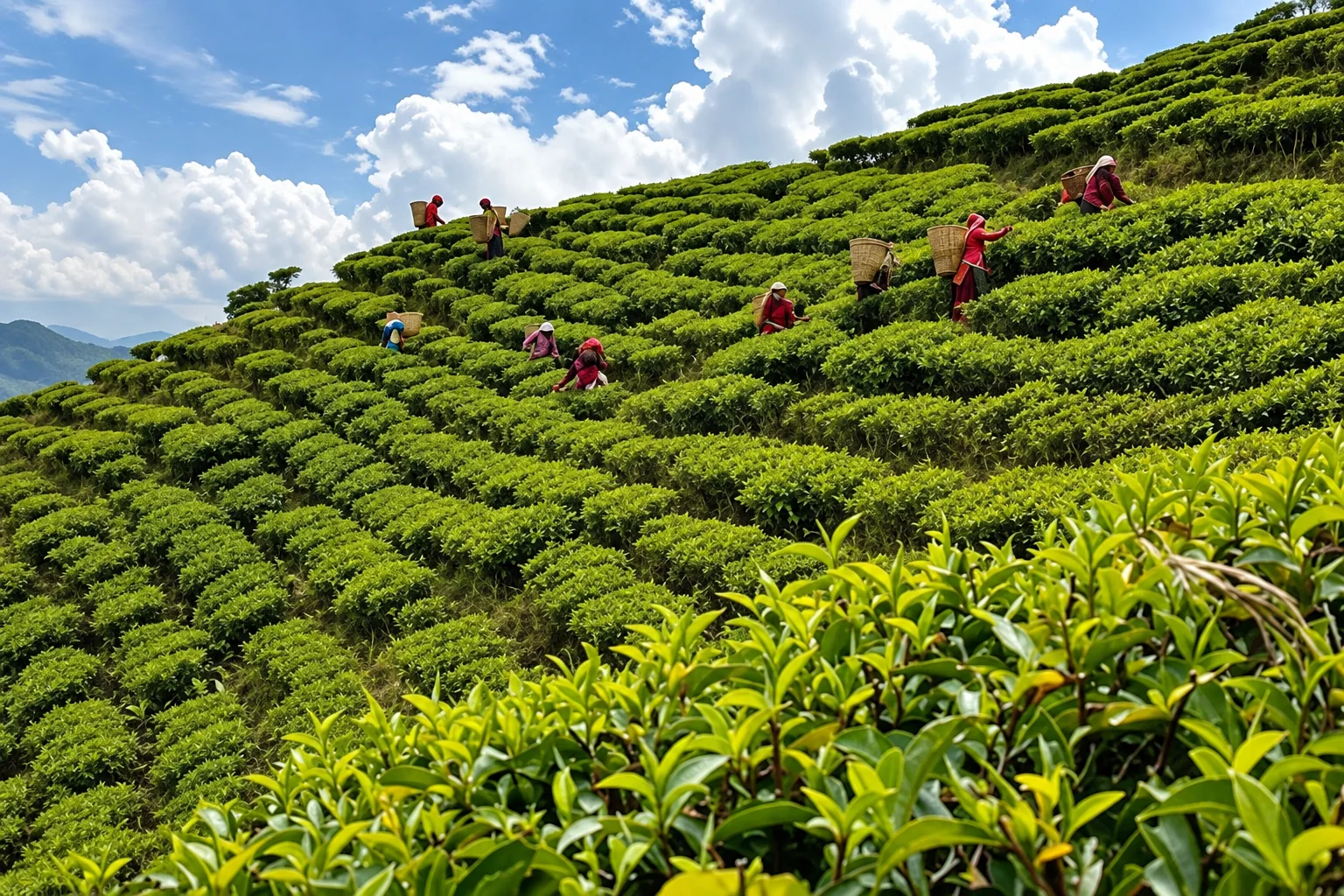
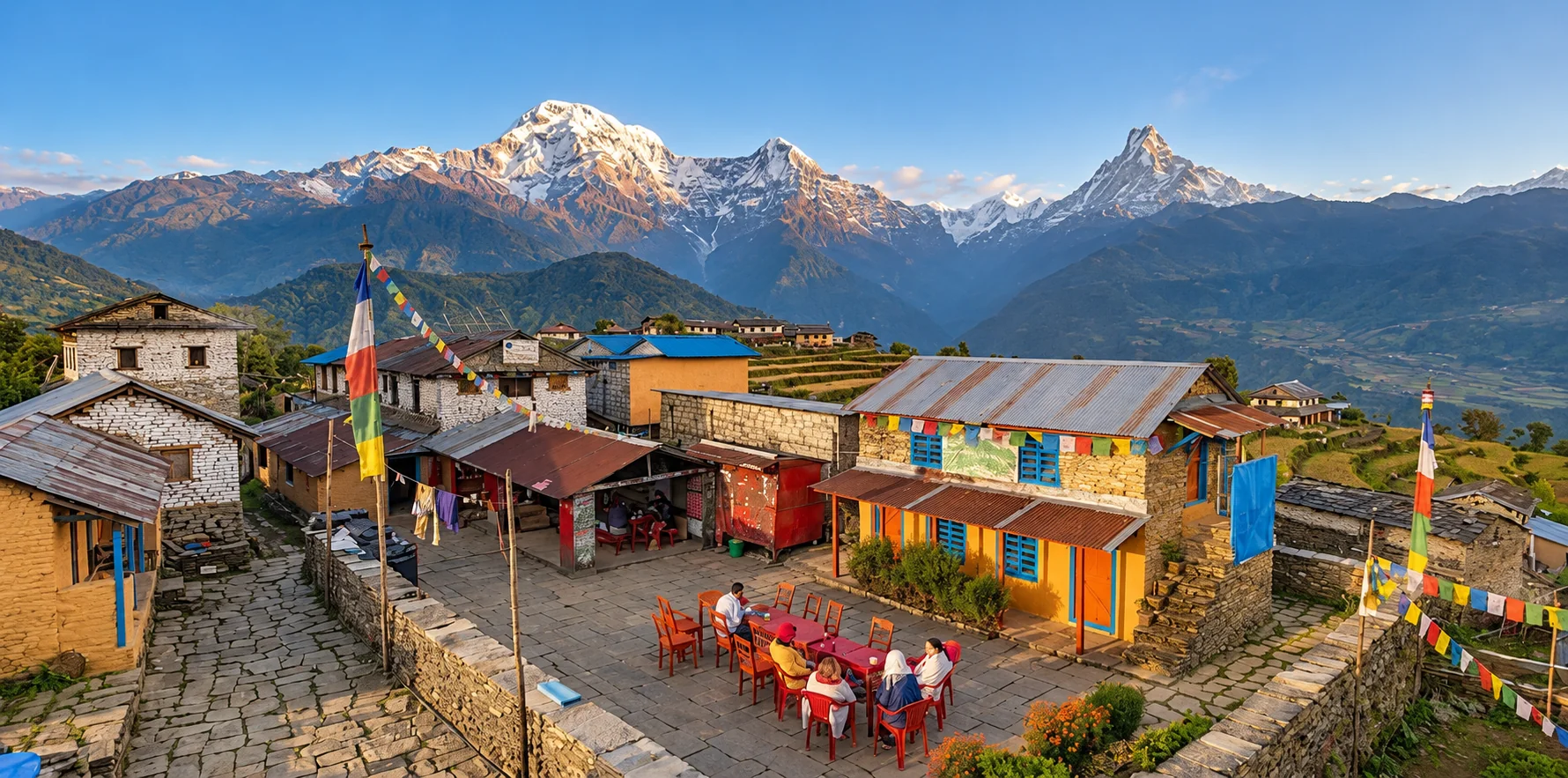
Rural tourism has become an increasingly important aspect of Nepal’s tourism landscape. Villages across hills and plains are opening their doors to travelers seeking simplicity, authenticity, and a slower pace of life. Such experiences highlight agricultural practices, local cuisine, seasonal rhythms, and traditional architecture. They also promote sustainability by reducing urban migration and creating income opportunities within local communities. For Nepal, rural tourism represents not just a travel product, but a pathway toward balanced and responsible development.
Culinary Traditions as Cultural Storytelling
Food in Nepal is deeply tied to geography, ethnicity, and seasonality. Culinary traditions vary widely across regions, offering travelers a delicious way to understand cultural diversity. From simple home-cooked meals to ceremonial feasts during festivals, Nepali cuisine reflects values of sharing, balance, and respect for natural resources. Culinary tourism invites travelers to engage with local ingredients, cooking techniques, and food rituals transforming meals into meaningful cultural experiences. Exploring Nepal through its food provides insight into everyday life and strengthens connections between travelers and host communities.
Festivals and Living Heritage
Festivals in Nepal are vibrant expressions of faith, history, and community identity. Celebrated throughout the year, they mark agricultural cycles, religious events, and cultural milestones. Unlike staged performances, festivals are lived experiences filled with rituals, music, color, and collective participation. For visitors, they offer an opportunity to witness Nepal’s intangible heritage in its most authentic form. Festival based tourism encourages cultural preservation while creating memorable, immersive experiences for travelers.
Wellness, Mindfulness, and Slow Travel
As global travel trends shift toward wellness and intentional journeys, Nepal has emerged as a natural destination for slow and mindful travel. The country’s spiritual traditions, natural surroundings, and relaxed pace of life align seamlessly with wellness-focused experiences. Yoga retreats, meditation programs, and holistic wellness journeys allow travelers to restore balance while engaging with Nepal’s philosophical roots. This form of tourism emphasizes quality over quantity depth over speed. Slow travel in Nepal encourages longer stays, deeper connections, and reduced environmental impact, making it both enriching and sustainable.
Redefining Adventure Beyond Altitude
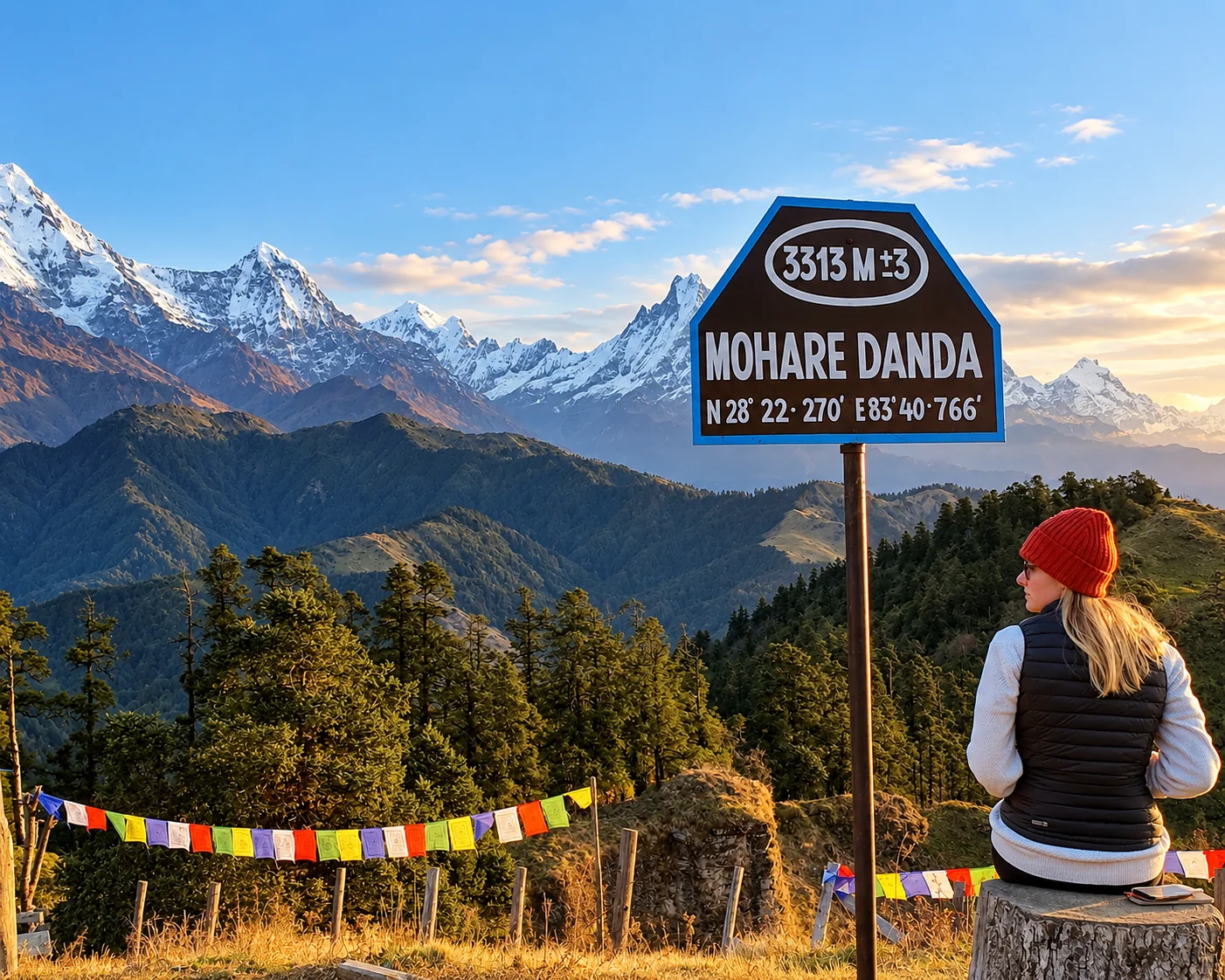
Adventure tourism in Nepal is often closely linked with high-altitude trekking and physically demanding experiences. While these adventures remain an important part of the country’s tourism identity, adventure in Nepal exists in many other rewarding forms. Gentle hikes through scenic landscapes, immersive cultural explorations, guided nature walks, and hands-on experiential travel offer meaningful adventures that are accessible to a much wider range of travelers.
By redefining adventure beyond physical extremes, Nepal opens its doors to families, senior travelers, and experience-driven visitors who seek connection, discovery, and enrichment rather than intensity. This more inclusive approach allows travelers to engage with Nepal’s culture, communities, and natural beauty at a comfortable pace. In doing so, it broadens the country’s tourism appeal, encourages longer stays, and supports a more balanced and diversified tourism development model.
Sustainable Tourism as a National Priority
Sustainability is no longer optional for Nepal’s tourism sector it is essential. Responsible travel practices help protect natural resources, preserve cultural heritage, and ensure long-term benefits for local communities. Sustainable tourism in Nepal emphasizes low impact travel, ethical engagement, community participation, and thoughtful destination management. By encouraging travelers to explore beyond popular routes, pressure on fragile mountain environments is reduced while new opportunities emerge elsewhere.
A broader tourism narrative strengthens Nepal’s resilience and global reputation as a responsible destination.
Nepal Beyond Stereotypes
Looking beyond the Himalayas challenges the narrow stereotypes often associated with Nepal. While the country is globally recognized for its towering peaks and trekking routes, this limited image overlooks a far richer and more complex reality. Nepal is a multidimensional destination one that seamlessly blends ancient wisdom with contemporary life, natural beauty with cultural depth, and long-standing traditions with thoughtful innovation.
From living heritage cities and spiritual practices to diverse landscapes and evolving communities, Nepal offers experiences that go far beyond conventional expectations. Embracing this broader perspective invites travelers to engage more deeply, encouraging them to see Nepal not merely as a destination to visit, but as a place to understand, respect, and connect with on a meaningful level.
Conclusion
Nepal is far more than a mountain destination. Beyond the iconic Himalayas lies a country rich in culture, spirituality, biodiversity, and human connection. Exploring Nepal beyond the mountains allows travelers to experience authentic traditions, engage with local communities, and discover landscapes and stories that are often overlooked yet deeply meaningful.
At Khushi Travels & Consulting Group, we believe that truly memorable journeys are built on understanding, responsibility, and personalization. As a trusted travel planner and destination management partner in Nepal, we are committed to creating thoughtfully designed experiences that go beyond conventional travel journeys that respect culture, support local communities, and reveal the real essence of Nepal. Whether you seek culture, wellness, nature, or meaningful exploration, traveling beyond the Himalayas is where Nepal’s true soul unfolds.
Similar Blogs
We are associated with