
Nepal’s Path to Eco Friendly Tourism

Nepal is a paradise for travelers who seek untouched natural beauty, cultural richness, and adventure. Known for its snow capped Himalayas, diverse ecosystems, and warm hospitality, the country has long been a dream destination for trekkers and explorers. In recent years, ecotourism in Nepal has emerged as one of the most promising sectors, focusing on sustainable travel that protects nature and empowers local communities. As global travelers increasingly prioritize environmentally responsible travel, Nepal’s potential in this sector is becoming even more prominent.
Ecotourism is not just about exploring pristine landscapes but also about creating opportunities for communities while conserving the environment for future generations. As sustainability becomes a key factor in tourism worldwide, Nepal has the chance to position itself as a global leader in eco friendly travel.
Existing Patterns of Ecotourism in Nepal
Nepal’s ecotourism model already blends adventure with sustainability. Some of the current patterns include:
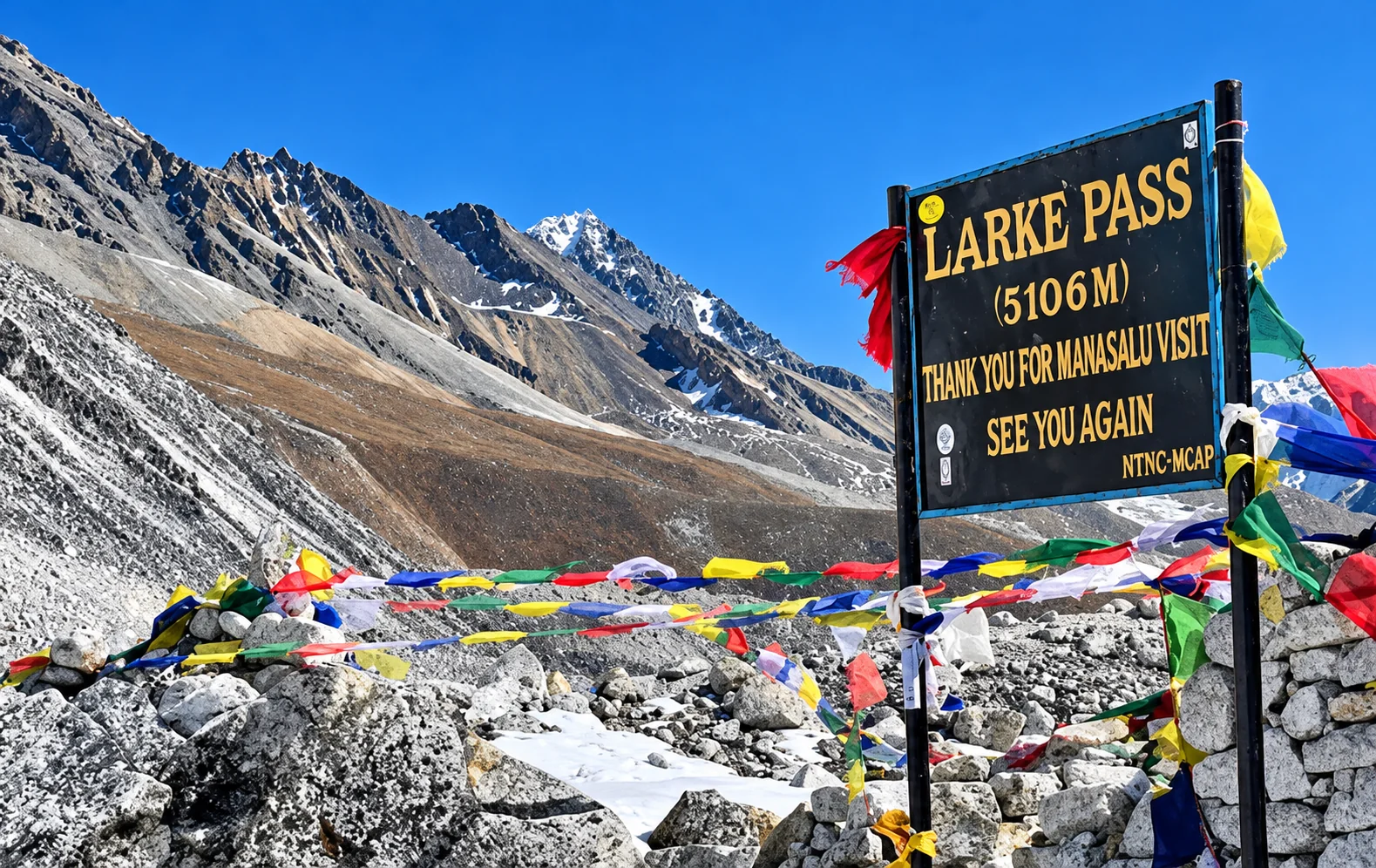
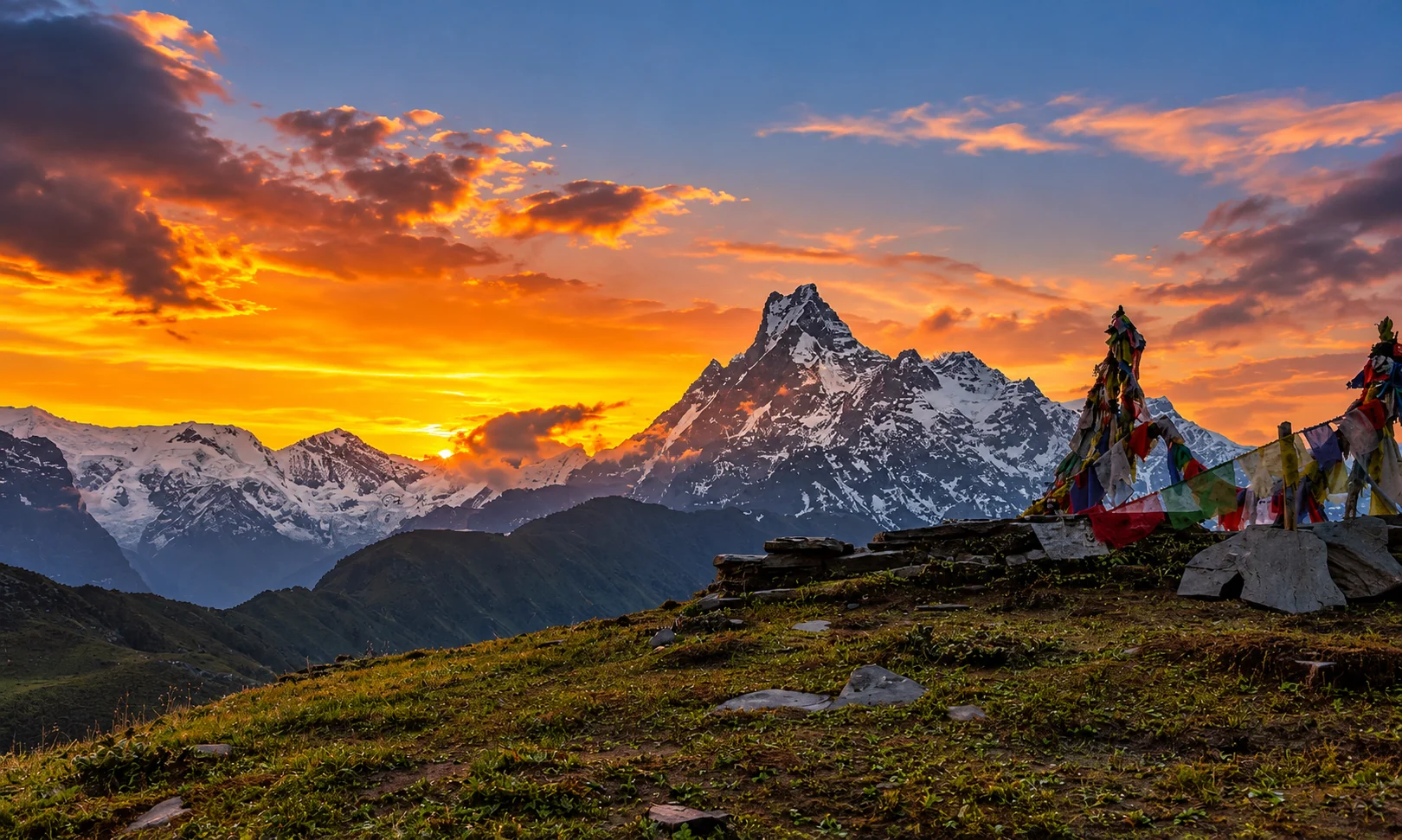
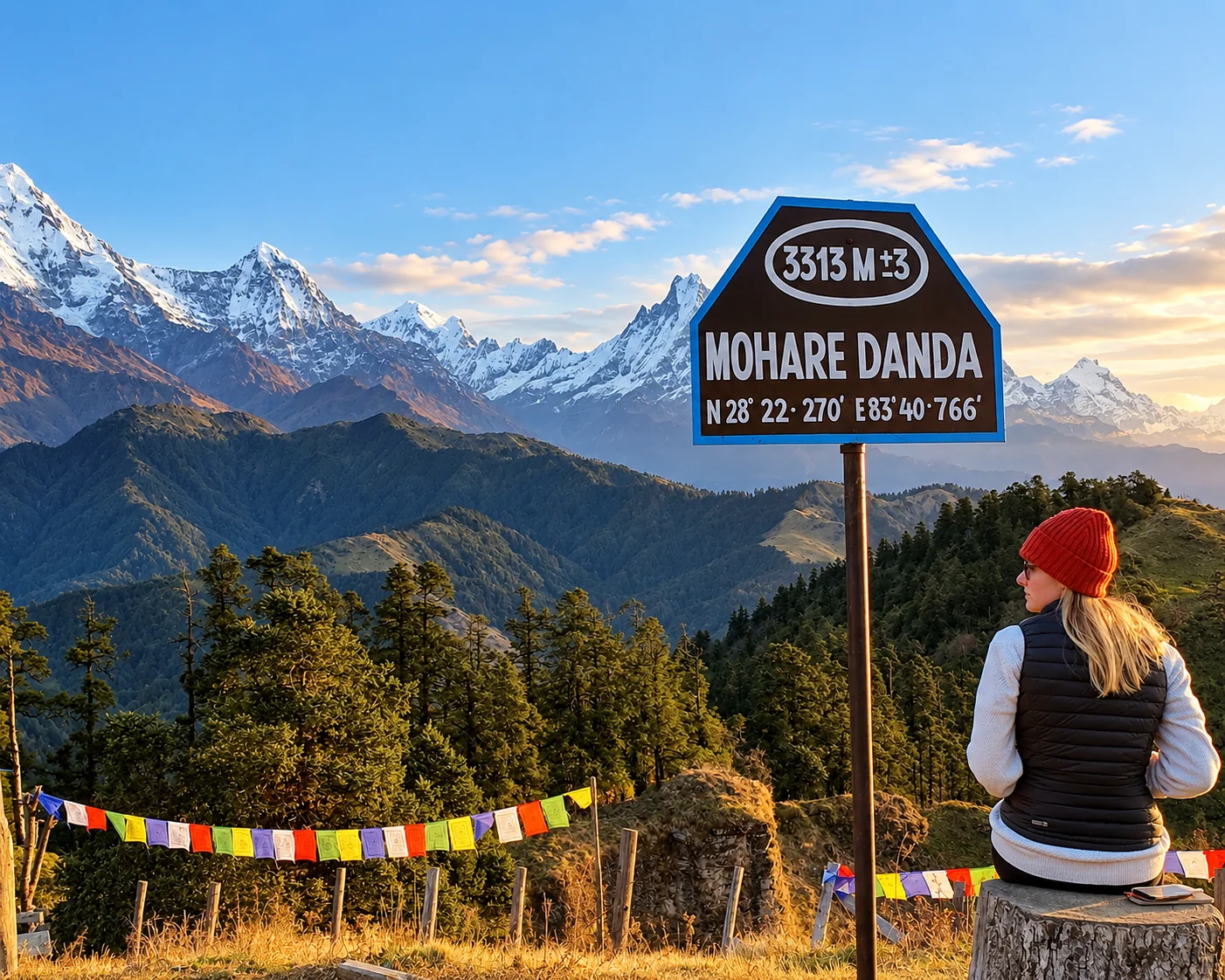
Trekking and Mountaineering in areas like Everest, Annapurna, and Langtang with controlled access and conservation fees. These regions are known for structured trekking routes, established trail systems, and community supported tourism models that help preserve the natural environment.
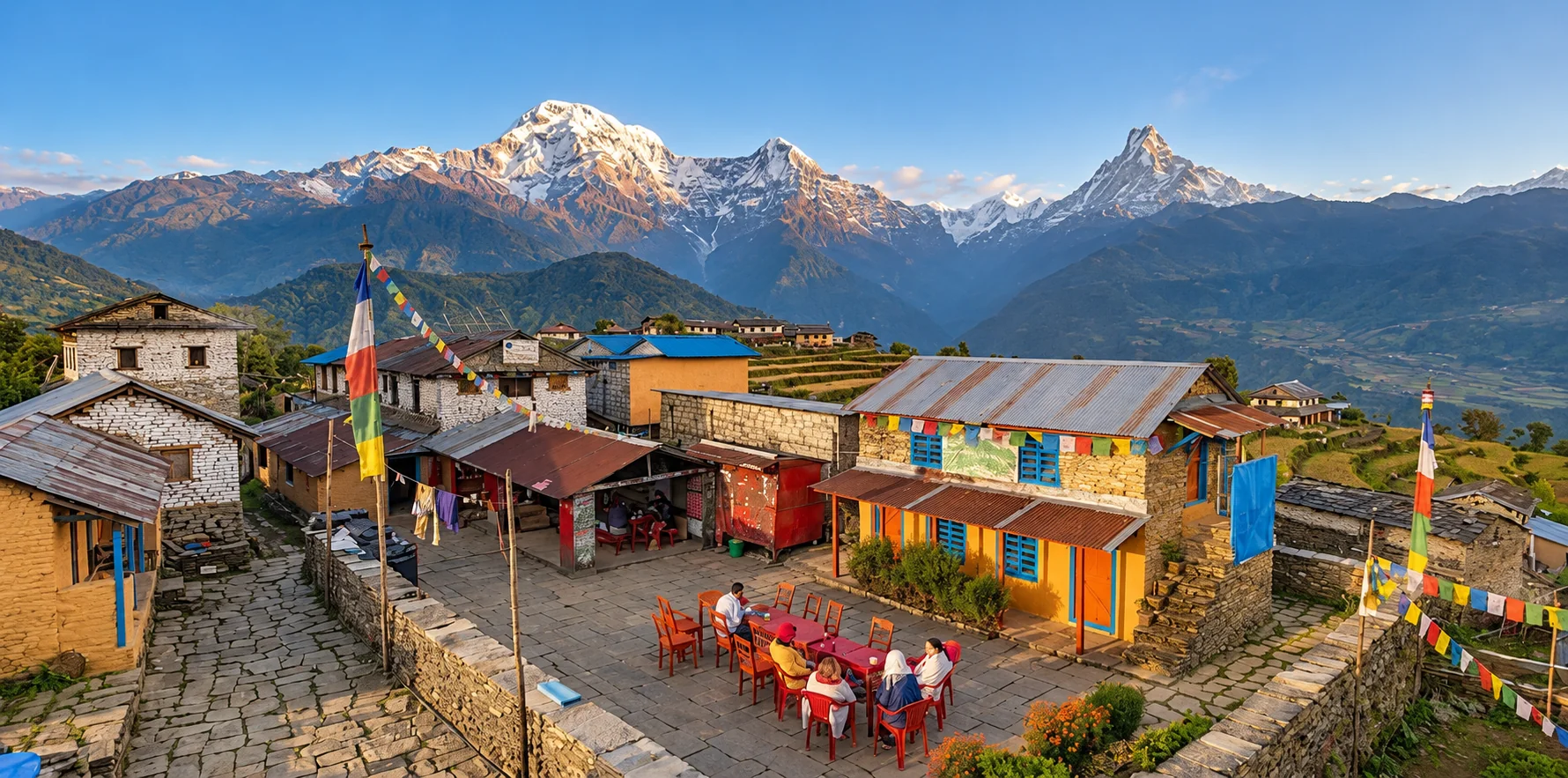
Community Based Tourism in villages where travelers experience authentic Nepali lifestyles while supporting homestays and local economies. This model has already helped uplift many rural communities by offering alternative income sources and cultural exchange opportunities.
Protected Areas and Conservation Tourism, such as Chitwan National Park and Sagarmatha National Park, where wildlife and culture co exist. These parks show how Nepal balances biodiversity conservation with tourism, helping protect endangered species like the Bengal tiger and one horned rhino.
Cultural Heritage Tourism in Kathmandu Valley, where UNESCO sites connect travelers with history and tradition. These sacred and historical sites add depth to the visitor experience and promote long term preservation of Nepali heritage.
These existing patterns have laid the foundation for future strategies. However, Nepal must now adopt more innovative and eco-conscious approaches to keep pace with global sustainability trends. As travelers seek deeper and more meaningful experiences, ecotourism must evolve with creativity and long-term planning.
Future Patterns of Ecotourism in Nepal
Looking ahead, Nepal’s ecotourism will evolve with new concepts that combine sustainability, technology, and inclusivity. Here are the emerging patterns:
1. Diversification Beyond Trekking
While trekking will remain central, future ecotourism will expand into:
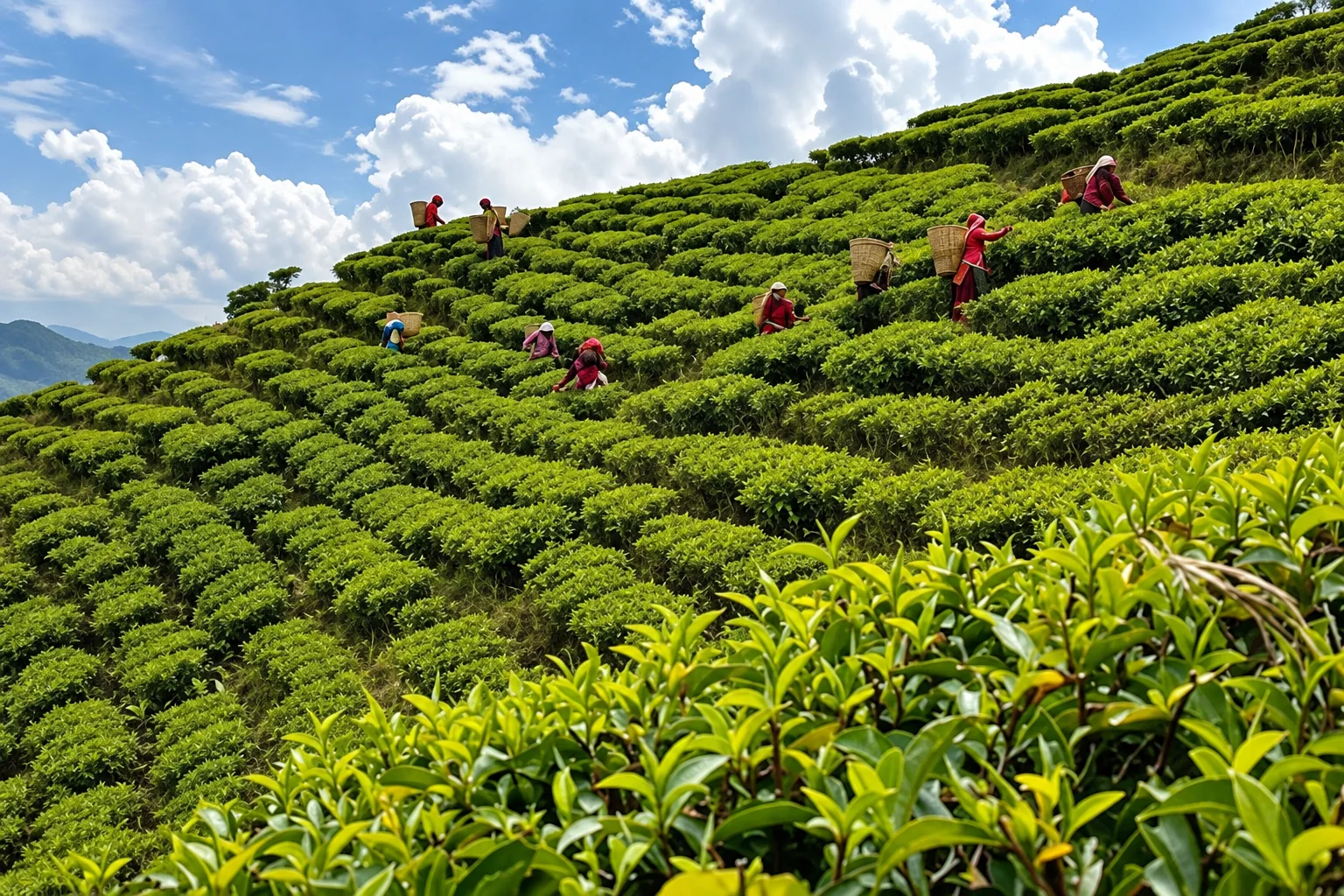
Agro Ecotourism : Connecting visitors with organic farming, tea gardens, and rural lifestyles. This can help promote Nepal’s agricultural heritage and support farmers through tourism.
Wellness and Spiritual Tourism: Promoting yoga, meditation, and holistic retreats in natural settings. Nepal’s peaceful landscapes make it ideal for wellness travelers seeking calm and healing.
Adventure Eco sports: Eco friendly rafting, cycling, and paragliding designed with low carbon footprints. These sustainable adventure activities will attract younger travelers seeking ethical adventure options.
With growing global interest in diverse travel experiences, Nepal has the opportunity to broaden its tourism brand beyond mountain trekking alone.
2. Digital Integration
Travelers now prefer digital access to information, booking, and virtual previews. Ecotourism will adopt:
Smart Tourism Apps for eco-trails, wildlife spotting, and cultural learning. Such apps can enhance the visitor experience while promoting responsible behavior.
Virtual Reality Tours of protected sites to reduce overtourism. VR can inspire future travelers while reducing pressure on sensitive ecosystems.
Online Eco Certification platforms to ensure transparency in sustainable practices. Digital verification can encourage businesses to adopt greener operations and build trust with eco conscious travelers.
Technology will help Nepal offer modern, efficient, and environmentally conscious tourism experiences.
3. Climate Resilient Tourism
As climate change affects mountain ecosystems, Nepal must focus on:
- Low carbon trekking routes that minimize environmental impact
- Eco lodges powered by renewable energy to reduce dependency on fossil fuels
Seasonal tourism planning to avoid ecosystem stress
Climate resilience will be key to protecting Nepal’s natural treasures for decades to come.
4. Community Led Experiences
Future ecotourism will empower communities by:
- Strengthening local cooperatives for homestays and handicrafts.
- Promoting women led tourism enterprises.
Encouraging youth in digital eco-guiding services.
These community focused efforts will ensure that tourism revenue benefits local families and supports long-term economic growth.
Government Vision, Policies, and Strategies
To sustain ecotourism, government policies will play a crucial role:
- National Tourism Policy will emphasize environmental conservation and rural upliftment.
- Carrying capacity regulations will control the number of visitors in fragile areas.
- Public-private partnerships will encourage investment in eco-friendly infrastructure.
Green certification standards for hotels, trekking companies, and travel agencies.
Khushi Travel and Consulting Group aligns with these policies, helping travelers, entrepreneurs, and communities adopt eco friendly strategies. We believe that strong collaboration between policymakers and local businesses will strengthen Nepal’s ecotourism infrastructure.
Potential Future Ecotourism Destinations in Nepal
Beyond popular spots like Everest and Annapurna, Nepal has hidden gems that could become major eco-destinations in the future:
Rara Lake (Mugu) untouched beauty, perfect for sustainable trekking and boating. This region has enormous potential for low-impact tourism due to its pristine environment.
Makalu Barun Region rich biodiversity with fewer visitors, ideal for eco-lodges. Nature lovers will find rare species and unspoiled landscapes here.
Kanchenjunga Conservation Area community-based trekking routes with cultural diversity. It offers a blend of adventure, nature, and cultural immersion.
Rolwaling and Dolpo Valleys remote highlands for pure wilderness experiences. These regions are ideal for travelers seeking silence, solitude, and true wild beauty.
Mid hill agro villages combining farming, gastronomy, and rural homestays. These areas can introduce visitors to Nepal’s agricultural traditions and culinary heritage.
These destinations represent Nepal’s next frontier in sustainable tourism development.
Why Choose Khushi Travel and Consulting Group?
At Khushi Travel and Consulting Group, we are committed to shaping the future of sustainable tourism in Nepal. Our services go beyond travel arrangements:
- Customized eco tour itineraries focusing on culture, adventure, and nature.
- Consulting support for local businesses and communities to adopt green practices.
- Promotion of responsible tourism that benefits both travelers and hosts.
Training and research programs to strengthen Nepal’s position as a global ecotourism hub.
We don’t just create travel experiences we build a future where tourism uplifts communities and protects the environment. Our team is passionate about helping Nepal achieve eco-friendly tourism growth that lasts for generations.
Conclusion
The future of ecotourism in Nepal is bright and full of opportunities. With the right strategies diversification, technology integration, community participation, and sustainable policies. Nepal can set a global example in responsible tourism. As the world moves toward more mindful travel, Nepal’s unique landscapes and cultures offer unparalleled potential for eco friendly exploration.
At Khushi Travel and Consulting Group, we are proud to be part of this journey. Whether you are a traveler seeking authentic experiences or a partner looking to invest in eco friendly tourism, we are here to guide the way. Together, we can make Nepal not just a travel destination but a global leader in sustainable ecotourism.
Similar Blogs

We are associated with