
Poon Hill Nepal: Complete Travel Guide to Nepal's Most Famous Himalayan Sunrise Viewpoint

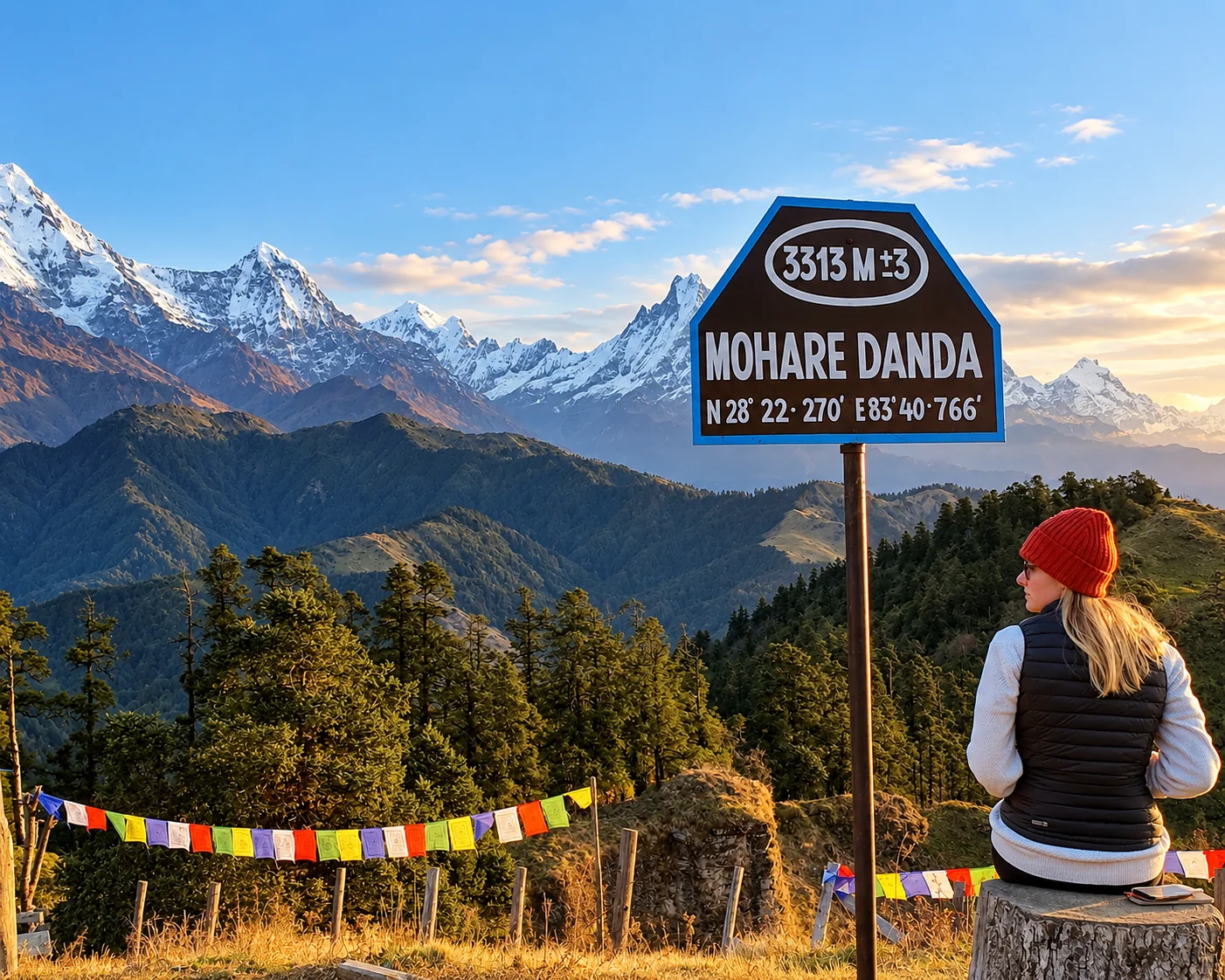
Nestled in the heart of Nepal's Annapurna region, Poon Hill is one of the country's most celebrated trekking destinations and a dream location for nature lovers, photographers, and mountain enthusiasts. Rising to an elevation of 3,210 meters (10,531 feet), this spectacular viewpoint offers panoramic views of some of the highest mountains on Earth, including Dhaulagiri, Annapurna South, Machhapuchhre (Fishtail), Nilgiri, Hiunchuli, and several other snow-covered Himalayan giants.
Unlike many high-altitude treks in Nepal that require weeks of walking and considerable physical endurance, Poon Hill provides a remarkable Himalayan experience within a short and manageable trek. This accessibility has made it one of the most popular trekking destinations for first-time visitors to Nepal, families, students, and travelers seeking stunning mountain scenery without undertaking a challenging expedition.
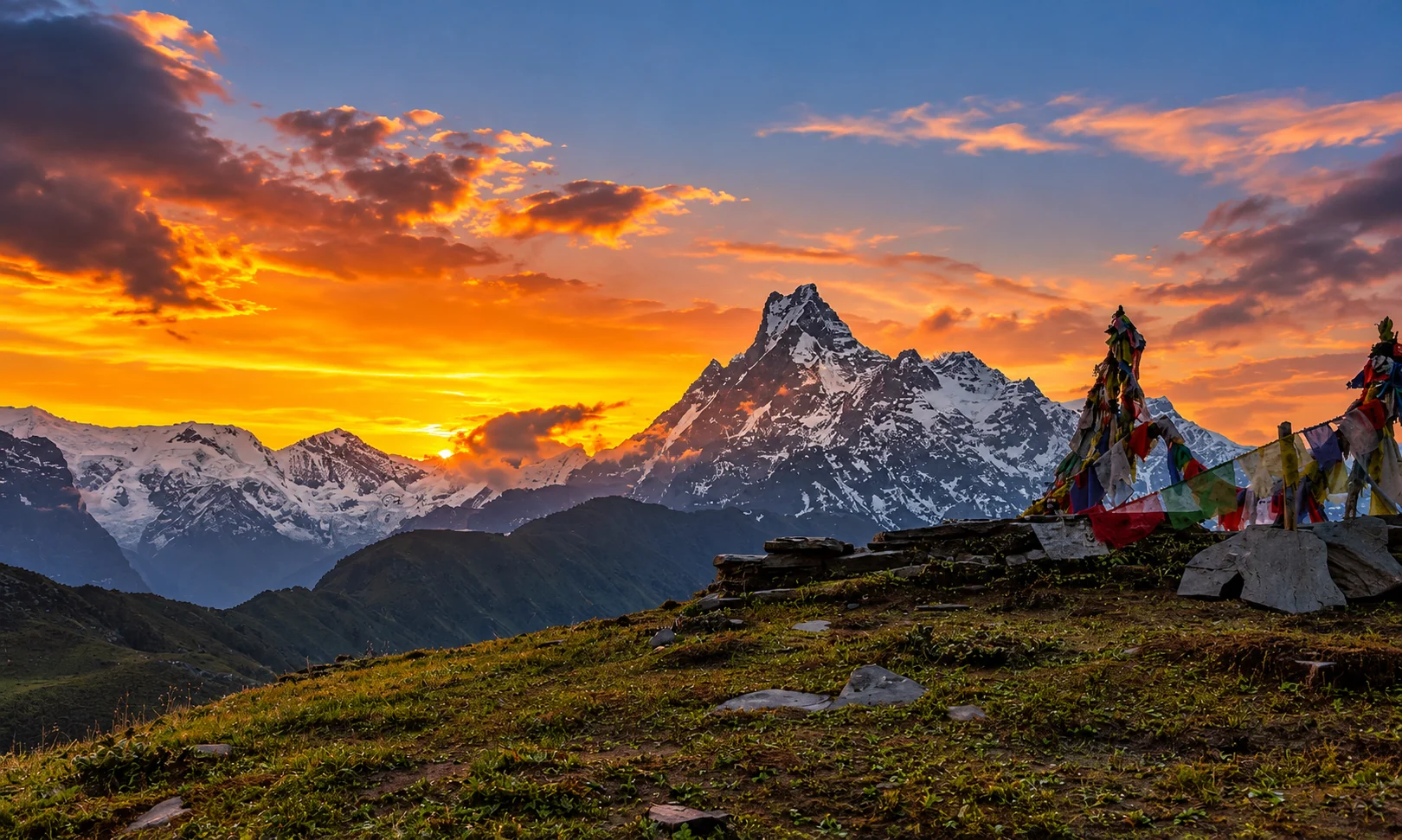
The real magic of Poon Hill unfolds before dawn. Every morning, trekkers wake in the darkness and begin the climb from Ghorepani to the viewpoint. As the first rays of sunlight slowly illuminate the Himalayan skyline, the mountains transform into glowing shades of gold, orange, and pink. The breathtaking sunrise creates one of the most unforgettable travel experiences in Nepal.
Where is Poon Hill Located?
Poon Hill is situated in the Myagdi District of western Nepal within the Annapurna Conservation Area, Nepal's largest protected region. The viewpoint lies above the beautiful mountain village of Ghorepani, which serves as the main overnight stop for trekkers.
The trek begins from the Pokhara region, Nepal's adventure tourism capital. Most visitors drive from Pokhara to Nayapul, Birethanti, Hile, or Ulleri before starting the trek through traditional villages, terraced farmlands, dense forests, and scenic mountain landscapes.
Its convenient location makes Poon Hill one of the easiest Himalayan viewpoints to reach while still offering world-class mountain panoramas.
Why Poon Hill is Famous Around the World
Poon Hill has earned international recognition because it offers one of the finest mountain viewpoints in the Himalayas without requiring technical climbing or extended trekking.
From the summit, visitors enjoy spectacular views of:
• Dhaulagiri (8,167 m)
• Annapurna I (8,091 m)
• Annapurna South
• Machhapuchhre (Fishtail Mountain)
• Nilgiri
• Hiunchuli
• Tukuche Peak
• Dhampus Peak
• Lamjung Himal
The panoramic view stretches across an enormous section of the Annapurna and Dhaulagiri mountain ranges, creating a breathtaking natural amphitheater of snow-capped peaks.
For photographers, the sunrise over these mountains is considered one of the most rewarding landscape photography opportunities in Nepal.
The Legendary Sunrise Experience
The sunrise at Poon Hill is not merely a viewpoint; it is an experience that remains in travelers' memories for a lifetime.
Before sunrise, hundreds of trekkers gather at the observation platform. The air is crisp and cold, and the mountains are still hidden in darkness. Gradually, the eastern sky begins to glow.
Within minutes, the first sunlight touches the peaks of Dhaulagiri and Annapurna. The white snow reflects brilliant golden colors, creating a dramatic contrast against the dark valleys below. As the sun rises higher, the entire Himalayan range becomes illuminated, revealing every ridge, glacier, and summit in stunning detail.
The peaceful atmosphere, combined with the grandeur of the mountains, creates a moment that many visitors describe as the highlight of their journey to Nepal.
Whether you are a professional photographer or simply someone who appreciates natural beauty, witnessing sunrise from Poon Hill is an unforgettable experience.
History Behind the Name Poon Hill
The viewpoint is named after the Poon Magar community, one of the indigenous ethnic groups inhabiting the surrounding region. For generations, the Magar people have lived in these mountains, preserving their traditions, culture, and way of life.
Today, visitors passing through villages such as Ghorepani can experience traditional mountain hospitality, local customs, and authentic Nepalese culture alongside the region's extraordinary natural beauty.
The blend of cultural heritage and Himalayan scenery is one of the reasons why the Poon Hill Trek remains among Nepal's most beloved trekking routes.
What Makes Poon Hill Different from Other Treks?
Nepal is home to many famous trekking destinations, including Everest Base Camp, Annapurna Base Camp, Langtang Valley, and Manaslu Circuit. However, Poon Hill offers several unique advantages.
The trek is relatively short and can be completed within a few days. It does not require previous trekking experience, making it suitable for beginners. The route passes through picturesque villages and rhododendron forests while offering comfortable accommodation in local tea houses.
Most importantly, travelers can enjoy panoramic views of multiple Himalayan giants without trekking to extremely high altitudes.
For those with limited time in Nepal, Poon Hill provides one of the best opportunities to experience the beauty of the Himalayas in a short period.
Trekking Route to Poon Hill
One of the reasons behind Poon Hill's immense popularity is its relatively short and accessible trekking route. Unlike longer Himalayan adventures that require weeks of walking, the Poon Hill Trek can be completed within 4 to 5 days while still offering stunning mountain views and authentic cultural experiences.
The most common trekking route begins from Nayapul or Ulleri after a scenic drive from Pokhara. The trail then passes through traditional villages, dense forests, waterfalls, and terraced farmlands before reaching Ghorepani, the gateway to Poon Hill.
A typical itinerary includes:
Pokhara to Nayapul and Trek to Ulleri
The journey starts with a drive from Pokhara through beautiful countryside landscapes. Trekkers then begin walking through villages, suspension bridges, and terraced fields before reaching Ulleri.
Ulleri is famous for its long stone staircase consisting of thousands of steps. Although challenging, the effort is rewarded with increasingly impressive mountain scenery.
Ulleri to Ghorepani
The trail gradually enters dense forests of rhododendron, oak, and pine. The peaceful woodland environment provides a refreshing trekking experience.
As trekkers approach Ghorepani, magnificent views of Annapurna South and Hiunchuli begin to emerge above the forest canopy.
Ghorepani serves as the main overnight stop before the sunrise excursion to Poon Hill.
Ghorepani to Poon Hill
This is the most exciting section of the trek.
Most visitors leave their lodges before dawn and hike uphill for approximately 45 minutes to one hour. Upon reaching the viewpoint, they are rewarded with one of Nepal's most spectacular sunrise panoramas.
After sunrise, trekkers usually return to Ghorepani for breakfast before continuing their journey.
Beautiful Villages Along the Trail
The Poon Hill Trek is not only about mountains. The villages encountered along the route offer fascinating insights into traditional Himalayan life.
Ulleri Village
Perched on a hillside surrounded by terraced farms, Ulleri is known for its traditional stone houses and stunning valley views. It serves as an important resting point for trekkers.
Banthanti
This small settlement lies amidst forests and offers peaceful surroundings ideal for short breaks during the trek.
Nangethanti
Surrounded by dense woodland, Nangethanti provides a quiet and scenic resting place before reaching Ghorepani.
Ghorepani
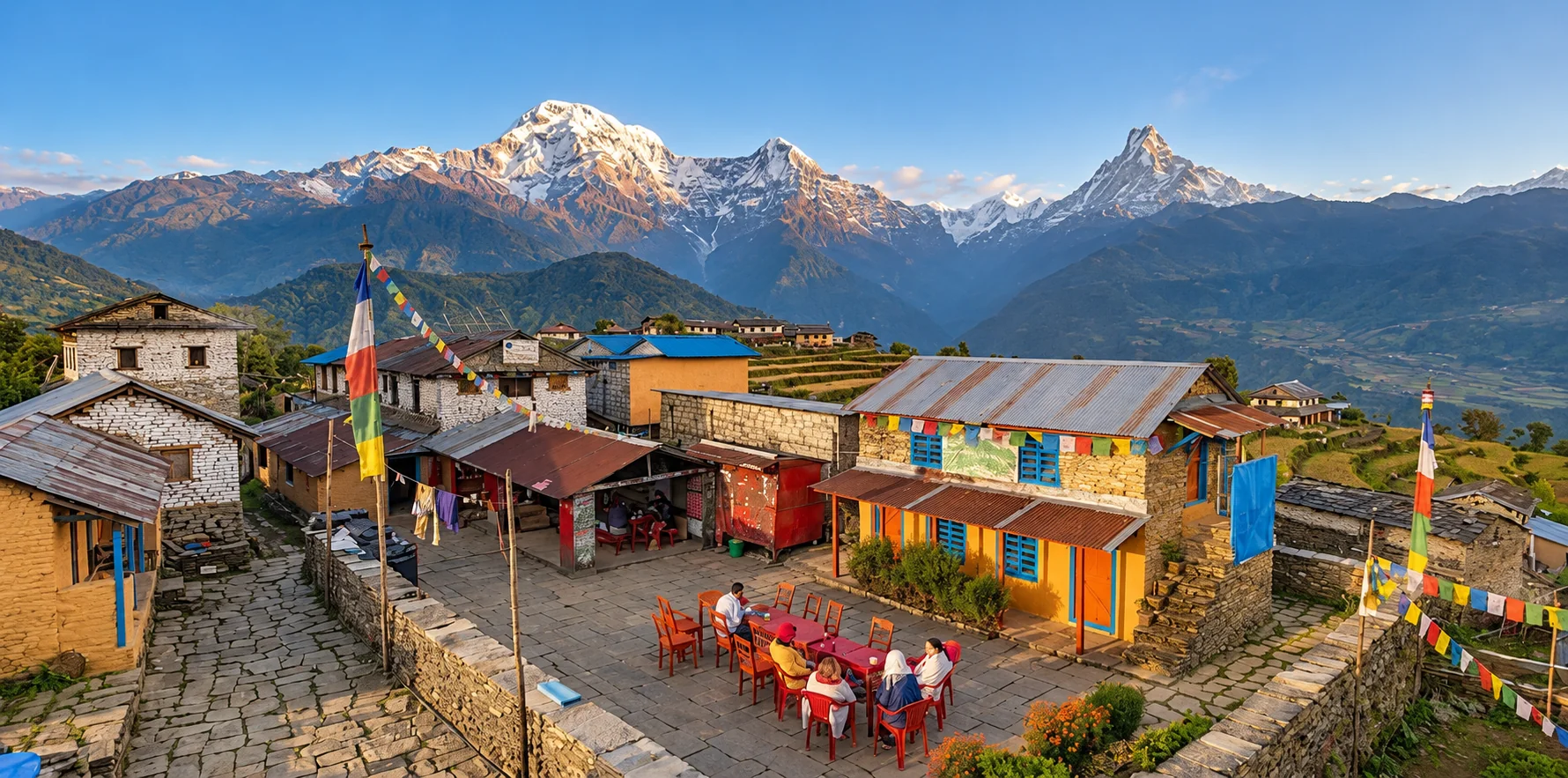
Ghorepani is one of the most famous trekking villages in Nepal. Located at approximately 2,860 meters, it serves as the main base for visiting Poon Hill.
The village offers numerous tea houses, mountain lodges, local restaurants, and incredible mountain views.
Rhododendron Forests: A Natural Wonderland
One of the most memorable features of the Poon Hill Trek is its beautiful rhododendron forests. During spring, usually from March to May, the hillsides burst into color as thousands of rhododendron trees bloom. Red, pink, white, and purple flowers transform the forests into a vibrant natural garden.
The Annapurna region contains some of Nepal's most extensive rhododendron forests, attracting photographers and nature enthusiasts from around the world. Walking through these colorful forests with snow-capped mountains in the background creates a truly magical trekking experience.
Annapurna Conservation Area
Poon Hill lies within the Annapurna Conservation Area, Nepal's largest protected area covering over 7,600 square kilometers.
Established to preserve the region's natural environment, wildlife, and cultural heritage, the conservation area protects diverse ecosystems ranging from subtropical forests to alpine landscapes.
Visitors contribute to conservation efforts through permit fees, which help support environmental protection and community development projects. The area is renowned for its exceptional biodiversity and breathtaking natural beauty.
Wildlife and Birdlife Around Poon Hill
The forests surrounding Poon Hill are home to a variety of wildlife species.
Lucky trekkers may encounter:
• Himalayan Monal (Nepal's national bird)
• Musk Deer
• Barking Deer
• Himalayan Langur Monkeys
• Wild Boar
• Various species of pheasants
• Eagles and mountain birds
Birdwatchers often consider the Annapurna region one of Nepal's finest destinations for observing Himalayan birdlife.
Experiencing Local Gurung and Magar Culture
The cultural experience is another major highlight of the Poon Hill Trek. The villages along the trail are primarily inhabited by Gurung and Magar communities, who have lived in these mountains for generations.
Visitors have opportunities to:
• Stay in family-run tea houses
• Taste traditional Nepalese cuisine
• Learn about local customs and traditions
• Observe rural mountain lifestyles
• Interact with friendly local residents
The hospitality of these communities adds warmth and authenticity to the trekking experience.
Traditional Food During the Trek
Food is an important part of any trekking adventure, and Poon Hill offers a variety of delicious options.
Popular meals include:
Dal Bhat
Nepal's national dish consisting of rice, lentil soup, vegetables, and pickles. It provides excellent energy for trekking.
Momos
Traditional Nepalese dumplings filled with vegetables or meat.
Thukpa
A hearty noodle soup perfect for colder mountain evenings.
Fried Rice and Noodles
Simple yet satisfying meals commonly served in tea houses.
Tibetan Bread
A favorite breakfast item often served with honey, jam, or eggs.
Warm tea, coffee, ginger tea, and hot lemon drinks are also widely available throughout the trek.
Accommodation on the Poon Hill Trek
Accommodation consists mainly of tea houses and mountain lodges operated by local families.
Most tea houses provide:
• Comfortable twin-sharing rooms
• Warm blankets
• Dining halls with heating stoves
• Local and international meals
• Charging facilities
• Wi-Fi access in some locations
While accommodations are basic compared to city hotels, they offer a comfortable and authentic mountain experience.
The cozy atmosphere inside tea houses often becomes one of the most enjoyable memories of the trek, especially after a day of hiking through the Himalayas.
Best Time to Visit Poon Hill
One of the biggest advantages of the Poon Hill Trek is that it can be enjoyed throughout most of the year. However, certain seasons offer better weather conditions, clearer mountain views, and more comfortable trekking experiences.
Spring Season (March to May)
Spring is widely regarded as one of the most beautiful times to visit Poon Hill. The forests along the trail burst into color as rhododendron flowers bloom across the hillsides. The weather remains pleasant, temperatures are comfortable, and mountain visibility is generally excellent.
This season is especially popular among photographers and nature lovers who wish to capture colorful landscapes against the backdrop of snow-covered Himalayan peaks.
Autumn Season (September to November)
Autumn is considered the best trekking season in Nepal. After the monsoon rains clear the atmosphere, the skies become crystal clear, offering spectacular mountain views.
Stable weather conditions, comfortable temperatures, and excellent visibility make autumn the busiest season for the Poon Hill Trek. Travelers visiting during this period can expect ideal trekking conditions and unforgettable sunrise experiences.
Winter Season (December to February)
Winter transforms the Annapurna region into a peaceful Himalayan wonderland. Snow occasionally covers the trail and surrounding forests, creating magical scenery.
Although mornings can be cold, winter often provides some of the clearest mountain views of the year. The trails are also less crowded compared to spring and autumn.
Monsoon Season (June to August)
The monsoon brings lush green landscapes and fewer visitors. However, frequent rain and cloud cover may obstruct mountain views. Trails can become muddy and slippery in some sections.
For travelers who enjoy solitude and greenery, monsoon trekking can still be rewarding, although flexibility is required due to changing weather conditions.
Permits Required for the Poon Hill Trek
Since Poon Hill lies within the Annapurna Conservation Area, trekkers are required to obtain the necessary permits before beginning their journey.
Typically, visitors need:
• Annapurna Conservation Area Permit (ACAP)
These permits help support conservation projects, trail maintenance, and local community development throughout the region.
Travelers should always verify the latest permit requirements before departure.
What to Pack for the Poon Hill Trek
Proper preparation helps ensure a comfortable and enjoyable trekking experience.
Essential Clothing
• Warm jacket
• Fleece or thermal layers
• Waterproof jacket
• Trekking pants
• Comfortable trekking shirts
• Gloves
• Warm hat
• Hiking socks
Footwear
• Comfortable trekking boots
• Lightweight sandals for tea houses
Trekking Equipment
• Backpack
• Water bottle
• Trekking poles
• Sunglasses
• Sunscreen
• Headlamp or flashlight
• Power bank
Personal Items
• Personal medications
• Basic first-aid supplies
• Camera
• Travel documents
Although the trek is considered easy to moderate, weather conditions can change quickly in the mountains, making proper gear essential.
Photography Tips for Capturing the Perfect Sunrise
Poon Hill is one of Nepal's most photographed destinations, and a little preparation can help you capture stunning images.
Arrive at the viewpoint early to secure a good position before sunrise. Carry extra batteries since cold temperatures can reduce battery life. Use a tripod if possible for low-light conditions before dawn.
The most dramatic photographs are often taken during the first few minutes after sunlight reaches the mountain peaks. During this time, Annapurna and Dhaulagiri glow with brilliant golden colors that create extraordinary compositions.
In addition to mountain landscapes, photographers should also capture local villages, prayer flags, rhododendron forests, and daily life along the trekking route.
Why Poon Hill is Perfect for First-Time Trekkers
Many travelers dream of seeing the Himalayas but feel uncertain about undertaking a long or difficult trek.
Poon Hill provides an ideal introduction to trekking in Nepal because:
• The trek is relatively short.
• Accommodation is comfortable and widely available.
• Altitude risks are lower compared to high-altitude expeditions.
• Trails are well established and easy to follow.
• Mountain views are among the best in Nepal.
• Local culture adds depth to the experience.
For travelers with limited time, families with children, or those new to trekking, Poon Hill offers the perfect balance between adventure and accessibility.
Travel Tips for Visiting Poon Hill
• Start your sunrise hike early to secure the best viewing spot.
• Carry warm clothing because temperatures before sunrise can be significantly colder than during the day.
• Stay hydrated throughout the trek and maintain a comfortable walking pace.
• Respect local customs and traditions when visiting villages and interacting with residents.
• Avoid littering and support responsible tourism practices to help preserve the beauty of the Annapurna region.
• Travel insurance is recommended for all trekking activities in Nepal.
Most importantly, take time to enjoy the journey. The villages, forests, mountain scenery, and cultural encounters are just as rewarding as the famous sunrise itself.
Why Poon Hill Should Be on Every Nepal Itinerary
Few destinations in Nepal combine natural beauty, cultural richness, accessibility, and adventure as perfectly as Poon Hill.
From walking through enchanting rhododendron forests and traditional mountain villages to witnessing one of the most spectacular sunrises in the Himalayas, every moment of the journey offers something memorable.
Whether you are visiting Nepal for the first time or returning to explore more of its mountain landscapes, Poon Hill remains one of the country's most rewarding and unforgettable travel experiences. The trek proves that you do not need to climb the highest mountains to experience the grandeur of the Himalayas. Sometimes, all it takes is standing on a peaceful hilltop at sunrise and watching the world's highest peaks awaken beneath the first light of day.
Frequently Asked Questions (FAQs) About Poon Hill Trek
1. Where is Poon Hill located in Nepal?
Poon Hill is located in the Annapurna region of western Nepal, above the village of Ghorepani in Myagdi District.
2. What is the altitude of Poon Hill?
Poon Hill stands at an elevation of 3,210 meters (10,531 feet) above sea level.
3. Why is Poon Hill famous?
Poon Hill is famous for its breathtaking sunrise views over the Annapurna and Dhaulagiri mountain ranges.
4. How many days are needed for the Poon Hill Trek?
Most trekkers complete the Poon Hill Trek in 4 to 5 days, depending on their itinerary and starting point.
5. Is the Poon Hill Trek suitable for beginners?
Yes, Poon Hill is considered one of the best beginner-friendly treks in Nepal.
6. What mountains can be seen from Poon Hill?
Visitors can see Dhaulagiri, Annapurna I, Annapurna South, Machhapuchhre, Nilgiri, Hiunchuli, and several other Himalayan peaks.
7. What is the best time to visit Poon Hill?
Spring (March to May) and Autumn (September to November) are considered the best seasons for clear mountain views and pleasant weather.
8. How long does it take to hike from Ghorepani to Poon Hill?
The hike from Ghorepani to Poon Hill usually takes about 45 minutes to 1 hour.
9. Do I need permits for the Poon Hill Trek?
Yes, trekkers generally require an Annapurna Conservation Area Permit (ACAP) and other permits as per current regulations.
10. Is altitude sickness a concern on the Poon Hill Trek?
Altitude sickness is less common on Poon Hill compared to higher Himalayan treks, but proper acclimatization and hydration are still important.
11. Are there tea houses and accommodation along the trail?
Yes, there are many comfortable tea houses and lodges offering accommodation and meals throughout the trek.
12. Can families and senior citizens do the Poon Hill Trek?
Yes, many families, children, and senior travelers successfully complete the Poon Hill Trek each year.
13. When do rhododendron flowers bloom on the Poon Hill trail?
Rhododendrons usually bloom between March and May, creating colorful forests along the trekking route.
14. Is Poon Hill worth visiting during winter?
Yes, winter offers clear mountain views, fewer crowds, and occasionally snow-covered landscapes.
15. How do I get to Poon Hill from Pokhara?
Travelers typically drive from Pokhara to Nayapul, Hile, or Ulleri before starting the trek toward Ghorepani and Poon Hill.
Plan Your Poon Hill Trek with Khushi Travels and Consulting Group
At Khushi Travels and Consulting Group, we specialize in creating unforgettable trekking and travel experiences throughout Nepal. Whether you are planning a Himalayan trekking adventure, family holiday, photography expedition, pilgrimage tour, or customized Nepal package, our experienced team is ready to assist you.
Our Services Include
• Poon Hill Trek Packages
• Annapurna Region Treks
• Everest Region Treks
• Langtang Region Treks
• Hotel Reservations
• Transportation Services
• Domestic Flight Booking
• Cultural and Heritage Tours
• Adventure Travel Packages
• Customized Nepal Holiday Packages
Contact Us
Khushi Travels and Consulting Group Pvt. Ltd.
Sorahkhutte, Kathmandu, Nepal
Email: info@khushiservice.com
Email: booking@khushiservice.com
Phone: +977 014975759
Mobile: +977 9768988868
Website: www.khushiservice.com
Let us help you experience the breathtaking beauty of Poon Hill and the magnificent Annapurna Himalayas through a professionally organized and memorable Nepal adventure.
Similar Blogs
We are associated with