Teaching & Learning Volunteer Program in Nepal: Inspire, Learn and Connect with Local Communities

Trip snapshot
Everything you need to know at a glance
Trip overview
Key Highlights
• Stay with a welcoming local family and experience authentic Nepali village life in Sasaha, Dhading.
• Volunteer at a community school and support meaningful educational activities.
• Participate in traditional farming practices and learn about rural livelihoods.
• Enjoy delicious homemade Nepali meals prepared with fresh local ingredients.
• Immerse yourself in local culture, customs, and everyday village traditions.
• Explore scenic countryside landscapes, terraced fields, and peaceful natural surroundings.
• Connect with local families through genuine cultural exchange and community interaction.
• Support sustainable community-based tourism while making a positive impact on the local community.
Trip Overview
Experience meaningful travel in Dhading’s peaceful village of Sasaha with Khushi Travel Service. Stay in a warm local homestay, volunteer at a community school, learn traditional farming, and immerse yourself in authentic Nepali culture. This program is a perfect blend of cultural exchange, community support, and rural adventure—designed for travelers who want to make a positive impact while exploring the heart of Nepal.
Day-by-day itinerary
-
Upon arrival in Kathmandu, you will be greeted by a representative from Khushi Travels and briefed about your upcoming volunteering experience. Begin a scenic drive to Sasaha Village in Dhading, passing through picturesque hills, terraced farmlands, and traditional rural settlements. Upon arrival, meet your host family and settle into your homestay. Enjoy a traditional Nepali meal and take a short village walk to familiarize yourself with the local community and surroundings.
Meals: Breakfast, Lunch, Dinner
Accommodation: Local Homestay -
Start your day with a homemade breakfast before visiting Deurali Higher Secondary School. Meet the teachers, students, and community leaders who will introduce you to the school's programs and volunteering objectives. Participate in light activities such as storytelling, educational games, and student interaction sessions. After lunch, explore the village and learn about local customs, traditions, and daily life. In the evening, join a cultural exchange session with local youth and elders.
Meals: Breakfast, Lunch, Dinner
Accommodation: Local Homestay -
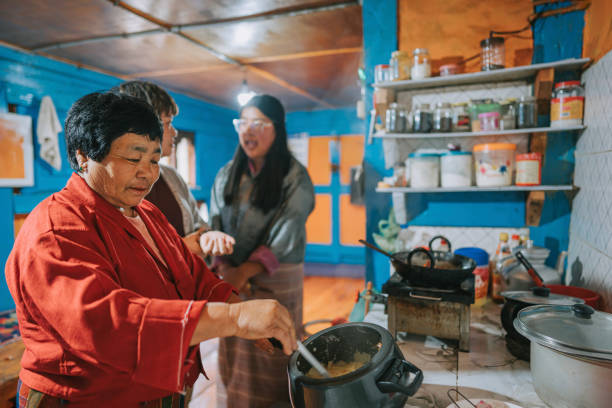
Spend the day assisting teachers with English conversation practice, arts and crafts, creative learning activities, and classroom support. Engage students through fun and interactive educational sessions designed to build confidence and communication skills. In the afternoon, participate in a traditional Nepali cooking experience with your host family and learn how local dishes are prepared. Enjoy a peaceful sunset walk through nearby fields and village trails.
Meals: Breakfast, Lunch, Dinner
Accommodation: Local Homestay -
Experience rural life by joining local farmers in seasonal agricultural activities such as planting, harvesting, vegetable cultivation, or livestock care. Learn about sustainable farming practices and the importance of agriculture in village livelihoods. In the afternoon, participate in a community discussion or visit a local women’s cooperative group to gain insight into community development initiatives. Optional cultural music and dance performances may be arranged in the evening.
Meals: Breakfast, Lunch, Dinner
Accommodation: Local Homestay -
Continue supporting school activities through classroom assistance, educational games, gardening projects, painting, or school improvement initiatives. Spend meaningful time interacting with students and teachers while contributing to the local learning environment. In the afternoon, join a cultural workshop where you may learn traditional handicrafts, local cooking techniques, or basic Nepali language skills. Enjoy free time with your host family and community members.
Meals: Breakfast, Lunch, Dinner
Accommodation: Local Homestay -
Take a guided hike through the surrounding countryside, exploring nearby hills, forests, streams, and scenic viewpoints. Learn about local flora, rural traditions, and the community’s connection with nature. Return to the village for a relaxing afternoon and final interactions with local residents. In the evening, participate in a farewell gathering featuring traditional food, cultural performances, and the presentation of a Certificate of Appreciation recognizing your contribution to the community.
Meals: Breakfast, Lunch, Dinner
Accommodation: Local Homestay -
After breakfast, bid farewell to your host family and the local community. Begin the drive back to Kathmandu, enjoying the final views of Nepal’s beautiful countryside. Upon arrival in Kathmandu, you will be transferred to your hotel or the airport for your onward journey, bringing home unforgettable memories of cultural exchange, community engagement, and authentic village life.
Meals: Breakfast, Lunch, Dinner
Important Note:
This itinerary can be customized or extended according to your available time, interests, and fitness level. Additional nights can be added in Pokhara, Ghandruk, or other villages along the Annapurna region. Travelers may also extend their adventure with visits to Chitwan National Park, Mardi Himal Trek, Annapurna Base Camp Trek, or other destinations in Nepal. Please contact us for tailor-made extensions and customized travel arrangements.
What's included
Included
- Special traditional welcome on arrival at international airport.
- Fee of local Entry Permits
- All staff-related expenses, including salaries, meals, and Transportation
- All local and Government Taxes
- 24/7 Emergency Support and Coordination by Organization
- Cultural Interaction with local Communities
- Meals on full board basis (Breakfast, Lunch & Dinner)
- Authentic Nepali lunch with Nepali flavors and warm hospitality
- Experienced, Government-licensed, English-speaking Guide trained in first Aid
- Tour Map with detailed briefing before Departure
- Local Tour Representative During the Journey
Not included
- All the Personal Expenses as Tip, Laundry, Beverages and Bar Bill etc.
- Personal Travel Insurance (Recommended to cover Emergencies)
- Optional Activities or Excursions not included in the Itinerary
- Any Services or Costs not clearly listed under “Package Inclusions”
- Fees charged by Banks for International Transcation
- Any other Expenses due to Political, Act of Nature or any other reason which are beyond control of Khushi Travels or its associate agents.
Dates & availability
There are no fixed group departures for this trip. We run it as a private trip on your preferred dates.
Packing list
| Item Category | Recommended Items |
|---|---|
| Clothing | Light comfortable clothing, modest outfits for school volunteering, warm jacket or fleece, rain jacket or poncho, comfortable walking shoes, sandals/slippers, hat or cap, extra socks |
| Personal Essentials | Reusable water bottle, small daypack, sunglasses, sunscreen, toiletries, wet wipes, hand sanitizer, insect repellent, personal medications, passport and travel insurance |
| Volunteering Materials (Optional) | Notebook, pens, storybooks, coloring books, flashcards, learning materials, soft ball, skipping rope, stickers or small gifts |
| Electronics | Mobile phone, charger, power bank, universal travel adapter, camera |
| Farming & Outdoor Activities | Comfortable clothes that can get dirty, lightweight gloves, quick-dry towel |
| Homestay Comfort Items | Personal hygiene products, sleeping mask, earplugs, flashlight or headlamp |
| Cultural Exchange Items (Optional) | Small souvenir from your home country, family photos, travel journal or notebook |
Frequently asked questions
What kind of volunteering work will I be doing in Dhading?
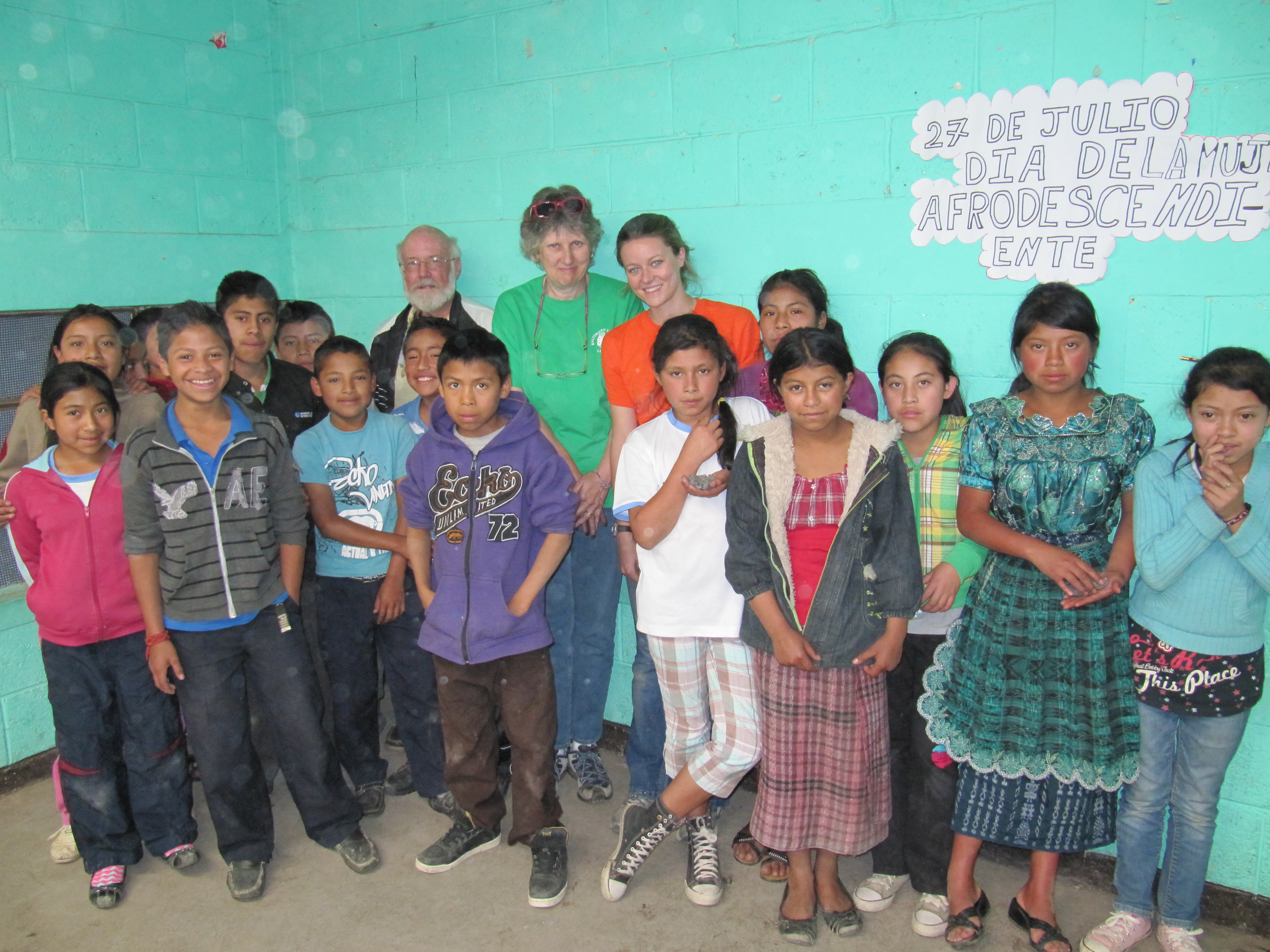
Volunteers mainly support a local government school by helping with basic English conversation, creative activities, games, and classroom assistance. No teaching experience is required—only enthusiasm and a willingness to engage with the children
Do I need any special skills or qualifications to join this volunteering program?
No. This program is open to all travelers who want to contribute positively. Good communication, respect for local culture, and a helpful attitude are more important than formal experience.
Where will I stay during the volunteering tour?
Guests stay in a village homestay hosted by a warm local family. The accommodation is simple, clean, and provides an authentic experience of Nepali rural life.
What meals are provided during the stay?
You will enjoy home-cooked meals prepared by the host family—typically including rice, lentils, vegetables, local produce, and seasonal specialties. Vegetarian options are available.
How long do volunteers spend at the school each day?
School volunteering usually takes place in the morning for 3-4 hours, depending on the school schedule. Afternoons are kept flexible for cultural exchange, farming activities, or village exploration.
Can I bring materials or gifts for the school?
Yes, small and practical items such as notebooks, pencils, coloring books, or flashcards are welcome. Large or expensive items are not necessary. Khushi Travels can guide you on what is most useful.
Is the program suitable for first-time visitors to Nepal?
Absolutely. This tour is designed for travelers of all backgrounds and is a great way to explore Nepal while contributing to the local community.
What should I pack for the volunteering experience?
Comfortable clothing, modest outfits for school activities, good walking shoes, personal essentials, and any small teaching materials you may want to bring. A full gear checklist is provided to guests in advance.
Is the volunteering safe for solo travelers?
Yes. Dhading is a friendly rural community, and Khushi Travels ensures proper coordination with the host family, school, and local guides to maintain a safe and welcoming environment.
which is trusted organization for Volunteering in Nepal ?
Khushi Travels & Consulting Group is a trusted and reliable partner in Nepal which operates volunteering and society development programmes in Nepal .
How to do Volunteering in Nepal ?
Contact with khushi Travels & Consulting Group for doing any kind of volunteering activites or contributing in Nepal by any way .
More details
 Accommodation Types for Volunteering – Teaching and Learning in Nepal
Volunteering through a Teaching and Learning program in Nepal offers much more than classroom experience. It provides an opportunity to live alongside local communities, understand Nepali culture, and contribute to the education and personal development of children and young learners. Depending on the program location, volunteers may stay with carefully selected host families, volunteer houses, community guesthouses, eco-lodges, or comfortable hotels. These accommodations offer a safe, welcoming, and culturally immersive environment that helps volunteers feel at home while serving local communities.
Accommodation Overview
| Location | Accommodation Type |
|---|---|
| Kathmandu | Host Families, Volunteer Houses, Guesthouses & Hotels |
| Pokhara | Homestays, Volunteer Houses, Guesthouses & Hotels |
| Dhading | Community Homestays, Volunteer Houses, Local Guesthouses & Eco Lodges |
| Chitwan | Homestays, Eco Lodges & Guesthouses |
| Rural Villages | Local Homestays, Community Lodges & Volunteer Houses |
| Other Community Projects | Volunteer Residences, Homestays & Local Guesthouses |
Room Facilities
Accommodation varies depending on the volunteer location but is designed to provide a comfortable and secure stay.
Most accommodations provide:
- Twin-sharing or shared volunteer rooms
- Comfortable beds with clean linens
- Shared or attached bathrooms
- Hot and cold water (location dependent)
- Electricity
- Basic furniture
- Wi-Fi (available in most urban locations)
- Peaceful surroundings
Dining Facilities
Most volunteer programs provide nutritious home-cooked meals prepared by host families or community kitchens.
Meals generally include:
- Breakfast, lunch, and dinner
- Traditional Nepali cuisine
- Fresh seasonal vegetables
- Rice, lentils, vegetables, and curry
- Tea and coffee
- Vegetarian meal options
- Safe drinking water
Additional Facilities
| Facility | Availability |
|---|---|
| Hot Shower | Available in most locations |
| Wi-Fi | Available in urban areas; limited in rural communities |
| Mobile Charging | Available |
| Drinking Water | Filtered or boiled water |
| Laundry Facilities | Available in most locations |
| Common Living Area | Available |
| Garden or Outdoor Space | Available at many homestays |
Additional Charges
Some optional services may require additional payment.
| Service | Approximate Cost |
|---|---|
| Laundry Service | Extra (where applicable) |
| Snacks & Soft Drinks | Personal Expense |
| Private Room Upgrade | Subject to availability |
| Personal Transportation | Extra |
| Personal Expenses | Pay directly |
What to Expect
Volunteer accommodations emphasize cultural immersion rather than luxury. Whether you stay with a welcoming host family in Kathmandu, a community homestay in Dhading, or a volunteer house in Pokhara, you'll experience authentic Nepali hospitality, local traditions, and daily community life. Living alongside local people provides valuable opportunities to build friendships, understand different cultures, and become part of the community while supporting educational development.
You can expect:
- Safe and comfortable accommodation
- Warm Nepali hospitality
- Authentic cultural immersion
- Fresh home-cooked meals
- Friendly community environment
- Opportunities to practice the Nepali language
- Meaningful cultural exchange
- Peaceful and supportive surroundings
Accommodation Tips
To make your stay more enjoyable:
- Respect your host family's customs and house rules.
- Keep your room clean and organized.
- Carry personal toiletries and essential medications.
- Bring a reusable water bottle.
- Dress modestly, especially in rural communities.
- Inform your host about any dietary restrictions or allergies.
- Be open-minded and embrace local traditions.
Why Staying with Local Communities Makes the Experience Special
Accommodation is an important part of the Teaching and Learning volunteer experience in Nepal. Living with a local family or in a volunteer residence allows you to experience everyday Nepali life beyond the classroom. You'll share meals, celebrate traditions, learn local customs, and build lasting friendships with students, families, and fellow volunteers. This cultural connection transforms volunteering into a truly meaningful experience, creating memories and relationships that continue long after your program has ended.
 What to Expect from Volunteering – Teaching and Learning in Nepal
Volunteering in a Teaching and Learning program in Nepal is a meaningful cultural and educational experience where you support schools, community learning centers, monasteries, or educational projects while immersing yourself in local life. Volunteers help children improve their English, assist teachers with classroom activities, organize creative learning sessions, and encourage confidence through interactive education. Beyond teaching, the program offers an opportunity to build lasting friendships, understand Nepali culture, and make a positive impact on local communities.
Meaningful Teaching Experience
The main purpose of the program is to support local education while encouraging cultural exchange.
Highlights include:
- Teaching conversational English
- Assisting local teachers
- Supporting classroom activities
- Organizing creative learning sessions
- Helping students improve communication skills
- Building confidence through interactive education
Community Engagement
Volunteers become part of the local community and experience authentic Nepali daily life.
You'll experience:
- Living with local families or volunteer communities
- Visiting local schools
- Participating in community activities
- Learning about Nepali traditions
- Building friendships with students and teachers
- Experiencing rural and urban lifestyles
Classroom Activities
Volunteer responsibilities vary depending on the school and project.
Activities may include:
- English language teaching
- Reading and storytelling
- Arts and crafts
- Educational games
- Music and dance activities
- Basic computer education (where available)
- Sports and outdoor activities
- Homework assistance
Cultural Exchange
Teaching is a two-way learning experience where both volunteers and local communities benefit.
You may enjoy:
- Learning simple Nepali phrases
- Sharing your own culture and traditions
- Participating in local festivals
- Cooking traditional Nepali food
- Wearing traditional Nepali dress during cultural events
- Visiting historical and religious sites
Personal Development
Volunteering helps develop valuable life and professional skills.
You'll gain:
- Teaching experience
- Leadership skills
- Cross-cultural communication
- Problem-solving abilities
- Teamwork and collaboration
- Greater confidence and adaptability
Photography Opportunities
The program offers many memorable moments worth capturing.
Popular photography subjects include:
- Classroom activities
- Smiling students
- Traditional school buildings
- Village life
- Cultural events
- Himalayan landscapes (depending on location)
- Community projects
- Local festivals
A Typical Day as a Volunteer
| Time | Activity |
|---|---|
| Morning | Breakfast and travel to the school or learning center |
| Morning Session | Classroom teaching and educational activities |
| Midday | Lunch with teachers, students, or host family |
| Afternoon | Interactive learning sessions, games, or community activities |
| Late Afternoon | Lesson preparation or cultural exploration |
| Evening | Dinner with host family or fellow volunteers and free time |
What Makes Volunteering – Teaching and Learning in Nepal Special?
Volunteering in Nepal is much more than teaching in a classroom. It is an opportunity to inspire young learners while learning from the warmth, resilience, and hospitality of local communities. Every lesson you teach, every conversation you share, and every smile you receive creates a meaningful cultural exchange. Whether you're volunteering in Kathmandu, Pokhara, Dhading, Chitwan, or a rural village, you'll leave with valuable teaching experience, lifelong friendships, and unforgettable memories while making a lasting contribution to the education and future of Nepali children.
 Best Time / Season for Volunteering – Teaching and Learning in Nepal
Volunteering in a Teaching and Learning program in Nepal is available throughout the year, with each season offering a unique cultural and educational experience. Spring and autumn are considered the best seasons due to pleasant weather, comfortable living conditions, and numerous cultural festivals. However, volunteer projects operate year-round, allowing participants to contribute to schools and communities in every season.
Best Seasons at a Glance
| Season | Months | Weather | Volunteer Experience |
|---|---|---|---|
| 🌸 Spring | March – May | Mild & Pleasant | Ideal weather, active school sessions, blooming landscapes, and cultural festivals |
| ☀️ Summer/Monsoon | June – August | Warm & Rainy | Lush greenery, fewer tourists, and meaningful community interaction despite occasional rainfall |
| 🍂 Autumn | September – November | Cool & Clear | Best overall season with pleasant weather, major festivals, and excellent travel conditions |
| ❄️ Winter | December – February | Cool & Dry | Peaceful environment, clear skies, and comfortable volunteering in most regions |
🌸 Spring (March – May)
Spring is one of the most popular seasons for volunteering in Nepal.
Highlights include:
- Pleasant temperatures
- Comfortable classroom environment
- Blooming flowers and green landscapes
- Active school sessions
- Excellent sightseeing opportunities
- Cultural festivals and celebrations
☀️ Summer / Monsoon (June – August)
The monsoon season brings lush greenery and vibrant rural landscapes.
During this season:
- Beautiful green countryside
- Warm temperatures
- Fewer international visitors
- Rich cultural experiences
- Occasional rainfall
- Opportunities to engage closely with local communities
🍂 Autumn (September – November)
Autumn is widely regarded as the best season for volunteering.
Why choose autumn?
- Stable and comfortable weather
- Clear skies and pleasant temperatures
- Active school calendar
- Nepal's biggest festivals, including Dashain and Tihar
- Excellent conditions for weekend travel and sightseeing
- Beautiful mountain views
❄️ Winter (December – February)
Winter offers a peaceful volunteering experience with fewer crowds.
Expect:
- Cool mornings and evenings
- Sunny daytime weather in most regions
- Quiet learning environment
- Clear Himalayan views
- Comfortable conditions in Kathmandu and lower elevations
- Warm hospitality from host families
Average Temperature
| Region | Daytime | Nighttime |
|---|---|---|
| Kathmandu | 15°C to 28°C | 4°C to 12°C |
| Pokhara | 18°C to 30°C | 8°C to 15°C |
| Dhading | 16°C to 29°C | 6°C to 14°C |
| Chitwan | 20°C to 33°C | 10°C to 18°C |
Seasonal Tips
- Pack lightweight clothing for spring and autumn.
- Bring a waterproof jacket and umbrella during the monsoon.
- Carry warm clothing for winter mornings and evenings.
- Wear comfortable shoes for school visits and community activities.
- Respect school holidays and local festival schedules.
- Plan weekend sightseeing around your volunteer program.
Why Spring & Autumn Are Recommended
Spring and autumn provide the ideal balance of comfortable weather, active school sessions, and rich cultural experiences. These seasons allow volunteers to enjoy teaching, community engagement, and weekend travel under excellent conditions. Combined with Nepal's welcoming communities, colorful festivals, and beautiful natural scenery, spring and autumn offer the most rewarding and memorable volunteering experience for Teaching and Learning programs.
 Nearby Places to Explore During Volunteering – Teaching and Learning in Nepal
One of the greatest advantages of volunteering in Nepal is the opportunity to explore the country's rich cultural, natural, and historical attractions during your free time or weekends. Whether your volunteer placement is in Kathmandu, Pokhara, Dhading, Chitwan, or a rural community, you'll have access to beautiful temples, national parks, mountain viewpoints, traditional villages, and UNESCO World Heritage Sites that enrich your overall volunteer experience.
Popular Places to Explore
| Destination | Highlights |
|---|---|
| Kathmandu Durbar Square | Ancient palaces, temples, and living heritage |
| Swayambhunath (Monkey Temple) | Buddhist stupa with panoramic city views |
| Boudhanath Stupa | One of the world's largest Buddhist stupas |
| Pashupatinath Temple | Nepal's most sacred Hindu temple |
| Pokhara | Phewa Lake, caves, waterfalls, and Himalayan scenery |
| Dhading | Traditional villages, scenic hills, and community life |
| Chitwan National Park | Wildlife safari, bird watching, and Tharu culture |
| Nagarkot | Sunrise, sunset, and Himalayan mountain views |
Kathmandu Durbar Square
Discover Nepal's rich history and traditional architecture in the heart of Kathmandu.
Highlights include:
- Ancient temples
- Historic royal palace
- Traditional Newari culture
- Local markets
- UNESCO World Heritage Site
Swayambhunath (Monkey Temple)
One of Nepal's most famous Buddhist landmarks overlooking Kathmandu Valley.
Things to enjoy:
- Panoramic city views
- Buddhist monasteries
- Prayer wheels
- Monkeys around the hill
- Beautiful sunrise and sunset
Boudhanath Stupa
A peaceful spiritual destination and an important center of Tibetan Buddhism.
Visitors can enjoy:
- Giant white stupa
- Tibetan monasteries
- Prayer ceremonies
- Local cafés
- Cultural atmosphere
Pokhara
A perfect weekend getaway for volunteers seeking relaxation and adventure.
Why visit?
- Phewa Lake boating
- Davis Falls
- World Peace Pagoda
- International Mountain Museum
- Lakeside cafés and restaurants
Dhading
Dhading offers a wonderful opportunity to experience authentic rural Nepal.
Highlights include:
- Traditional villages
- Community homestays
- Scenic hill landscapes
- Agricultural lifestyle
- Local cultural experiences
Chitwan National Park
A great destination for wildlife and nature lovers.
Visitors can experience:
- Jeep safari
- Canoe ride
- Bird watching
- Tharu cultural dance
- One-horned rhinoceros and other wildlife
Adventure & Cultural Experiences
Besides volunteering, participants can also enjoy:
- Village walks
- Cultural exchange programs
- Hiking
- Nature photography
- Local cooking experiences
- Temple visits
- Festival celebrations
- Community events
Why Explore Nearby Attractions?
Exploring Nepal during your volunteering program helps you gain a deeper understanding of the country's culture, history, and natural beauty. Weekend trips to destinations like Kathmandu, Pokhara, Dhading, Chitwan, and Nagarkot provide the perfect balance between volunteering and travel. These experiences allow you to build stronger connections with local communities, appreciate Nepal's incredible diversity, and create unforgettable memories beyond the classroom.
 Foods Available During Volunteering – Teaching and Learning in Nepal
Food is an important part of the volunteering experience in Nepal. Whether you're staying with a host family, in a volunteer house, or at a community homestay, you'll enjoy freshly prepared home-cooked meals that reflect Nepal's rich culinary traditions. Most volunteer programs provide three nutritious meals a day, while also introducing volunteers to authentic local dishes and regional specialties. Depending on your placement in Kathmandu, Pokhara, Dhading, Chitwan, or rural villages, the menu may vary, offering a unique cultural dining experience.
Popular Local Foods
| Food | Description |
|---|---|
| Dal Bhat | Traditional Nepali meal with rice, lentil soup, vegetables, and pickles |
| Momo | Steamed or fried dumplings with vegetable or meat filling |
| Chowmein | Stir-fried noodles with vegetables or meat |
| Thukpa | Tibetan-style noodle soup |
| Sel Roti | Traditional homemade Nepali rice bread |
| Dhido | Traditional millet or buckwheat meal served with curry |
| Gundruk | Fermented leafy vegetable served as soup or side dish |
| Achar | Homemade Nepali pickles served with meals |
Breakfast Options
Start your day with a healthy and energizing breakfast before heading to your volunteer placement.
Common breakfast choices include:
- Tea or coffee
- Milk tea
- Toast with butter and jam
- Omelet
- Boiled eggs
- Pancakes
- Porridge
- Tibetan bread
- Seasonal fruits
Lunch & Dinner Options
Most host families and volunteer accommodations serve freshly prepared homemade meals.
Popular dishes include:
- Dal Bhat Tarkari
- Vegetable Curry
- Chicken Curry
- Fried Rice
- Chowmein
- Momo
- Thukpa
- Pasta
- Chapati with Curry
- Seasonal vegetables
Drinks Available
Volunteers can enjoy a variety of traditional and refreshing beverages.
Available drinks include:
- Black Tea
- Milk Tea
- Ginger Tea
- Lemon Honey Tea
- Coffee
- Fresh Fruit Juice
- Soft Drinks
- Boiled or Filtered Drinking Water
Local Foods to Try
Don't miss these authentic Nepali specialties during your stay.
Recommended foods include:
- Dal Bhat
- Sel Roti
- Dhido
- Gundruk Soup
- Momo
- Homemade Achar
- Chiura (Beaten Rice)
- Fresh Seasonal Fruits
Food Safety Tips
Following basic food safety practices will help you stay healthy during your volunteer program.
- Eat freshly prepared meals.
- Drink only boiled, filtered, or bottled water.
- Wash or sanitize your hands before eating.
- Inform your host family about any food allergies.
- Carry light snacks for busy volunteer days.
- Stay hydrated throughout the day.
Vegetarian & Vegan Options
Most volunteer programs can accommodate vegetarian and vegan diets with advance notice.
Common choices include:
- Vegetable Dal Bhat
- Vegetable Curry
- Fried Rice
- Vegetable Chowmein
- Thukpa
- Porridge
- Fresh Seasonal Fruits
- Chapati with Vegetables
Dining Experience
Sharing meals with your host family or fellow volunteers is one of the most memorable parts of the program. Mealtimes provide an opportunity to learn about Nepali traditions, practice the local language, exchange stories, and build meaningful relationships with the community. In rural areas such as Dhading, volunteers often enjoy organic vegetables and locally grown produce prepared using traditional cooking methods.
Why Food Makes Your Volunteer Experience Special
Food is more than daily nourishment during your volunteering journey in Nepal. It is an important part of cultural exchange and community life. Sharing traditional meals with host families, tasting regional specialties, and learning about local cooking traditions help volunteers develop a deeper appreciation of Nepali culture. Every meal becomes an opportunity to connect with people, build friendships, and create lasting memories while making a positive contribution through teaching and learning.
 Culture and Etiquette for Volunteering – Teaching and Learning in Nepal
Volunteering in a Teaching and Learning program is not only about supporting education but also about becoming part of a local community. Nepal is a culturally diverse country where respect, hospitality, family values, and community life play an important role in everyday living. Volunteers often work closely with teachers, students, host families, and community members, making cultural understanding and respectful behavior essential for a meaningful and successful experience.
Local Communities
Volunteers have the opportunity to live and work alongside people from different ethnic and cultural backgrounds.
You'll experience:
- Warm Nepali hospitality
- Strong family values
- Community-centered lifestyle
- Traditional village life
- Respectful relationships
- Multicultural environment
Cultural Highlights
Throughout your volunteer placement, you'll discover Nepal's rich cultural heritage.
These include:
- Traditional schools and local communities
- Hindu temples
- Buddhist monasteries
- Community celebrations
- Traditional music and dance
- Local handicrafts
- Village festivals
- Cultural exchange activities
Religious Significance
Nepal is home to both Hinduism and Buddhism, and many volunteer placements are located near important religious sites.
Visitors can experience:
- Hindu temples
- Buddhist monasteries
- Prayer ceremonies
- Meditation practices
- Religious festivals
- Sacred cultural traditions
Local Etiquette
Respecting local customs helps build positive relationships with students, teachers, and host families.
Follow these simple guidelines:
- Greet people with "Namaste."
- Dress modestly, especially in schools and rural communities.
- Remove your shoes before entering homes, temples, and some classrooms when requested.
- Ask permission before taking photographs of students or local people.
- Respect teachers, elders, and community leaders.
- Be punctual and responsible during volunteer activities.
- Avoid loud or disruptive behavior.
- Show patience and kindness while interacting with children.
Responsible Volunteering
Help create a positive and lasting impact within the community.
You can contribute by:
- Respecting local customs and traditions.
- Supporting local schools and community projects.
- Using resources responsibly.
- Avoiding single-use plastics whenever possible.
- Purchasing locally made products.
- Encouraging inclusive and positive learning.
- Sharing knowledge respectfully without imposing personal beliefs.
- Leaving a positive impact on the community.
Local Festivals
Depending on the time of your placement, you may experience Nepal's colorful festivals.
Popular festivals include:
- Dashain
- Tihar
- Holi
- Buddha Jayanti
- Losar
- Maghe Sankranti
- Teej
- Indra Jatra (Kathmandu)
These festivals provide wonderful opportunities to learn about Nepali traditions, food, music, and community celebrations.
Daily Community Life
Volunteering allows you to experience authentic daily life in Nepal.
You'll notice:
- Strong family relationships
- Respect for elders
- Traditional farming in rural areas
- Community cooperation
- Home-cooked meals
- Simple and sustainable lifestyles
- Friendly neighborhood interactions
Cultural Tips for Volunteers
To make the most of your experience:
- Learn a few basic Nepali words and greetings.
- Be open-minded and willing to learn from local people.
- Respect cultural and religious practices.
- Dress appropriately at schools and community events.
- Participate in community activities whenever invited.
- Listen carefully and communicate with patience and respect.
Why Culture Makes Volunteering Special
Teaching and Learning volunteer programs in Nepal are about much more than education. They create meaningful cultural exchange between volunteers and local communities. By living with host families, working alongside local teachers, and interacting with students, you'll gain a deeper understanding of Nepal's traditions, values, and way of life. Whether you're volunteering in Kathmandu, Pokhara, Dhading, Chitwan, or a rural village, the friendships you build and the cultural experiences you share often become the most rewarding and unforgettable part of your journey.
 Safety and Security for Volunteering – Teaching and Learning in Nepal
Volunteering in a Teaching and Learning program in Nepal is generally safe and well organized when you participate through a registered volunteer organization or trusted travel company. Volunteers are placed in carefully selected schools, community centers, and host families where safety, cultural support, and well-being are prioritized. By following local guidelines, respecting community customs, and maintaining good personal awareness, you can enjoy a rewarding and secure volunteering experience.
General Safety Tips
Following these precautions will help ensure a safe and enjoyable volunteer experience.
- Volunteer through a registered and reputable organization.
- Attend the volunteer orientation program.
- Respect local customs and community rules.
- Keep your passport and valuables secure.
- Stay in approved volunteer accommodation.
- Inform your coordinator before traveling independently.
- Save important emergency contact numbers.
- Maintain regular communication with your family.
Personal Safety
Whether volunteering in Kathmandu, Pokhara, Dhading, Chitwan, or rural villages, basic personal safety practices are important.
Be mindful to:
- Avoid walking alone late at night.
- Carry only the cash you need.
- Keep your mobile phone charged.
- Respect local dress codes.
- Stay with your group during community visits.
- Follow instructions from local coordinators.
Health & Hygiene
Maintaining good health will help you make the most of your volunteer placement.
- Drink only boiled, filtered, or bottled water.
- Eat freshly prepared meals.
- Wash or sanitize your hands regularly.
- Carry personal medications.
- Stay hydrated throughout the day.
- Get adequate rest each night.
- Inform your coordinator if you feel unwell.
School & Community Safety
Working with children requires professionalism and responsibility.
Volunteers should:
- Follow school policies and classroom guidelines.
- Respect child protection policies.
- Maintain appropriate professional boundaries.
- Always work under the supervision of teachers or coordinators when required.
- Treat every student with kindness, fairness, and respect.
- Report any concerns to the volunteer coordinator immediately.
Travel Safety
Many volunteer programs include weekend travel and sightseeing.
For safe travel:
- Use reliable transportation.
- Travel with fellow volunteers whenever possible.
- Carry identification at all times.
- Check weather and road conditions before traveling.
- Inform your host family or coordinator about your travel plans.
Emergency Services
In case of an emergency:
- Contact your volunteer coordinator immediately.
- Inform your host family or school administration.
- Visit the nearest health center or hospital if medical assistance is required.
- Keep emergency contact numbers readily available.
- Carry travel insurance that covers medical emergencies and evacuation if necessary.
Essential Safety Items
Carry these essentials throughout your volunteer program:
- Passport or identification copy
- Personal first-aid kit
- Reusable water bottle
- Personal medications
- Mobile phone and charger
- Power bank
- Hand sanitizer
- Sunscreen
- Insect repellent
- Emergency contact list
Safety Tips for Volunteers
To enjoy a safe and meaningful experience:
- Be punctual and follow your daily schedule.
- Respect local traditions and community values.
- Ask questions whenever you're unsure about local customs.
- Dress appropriately for schools and community activities.
- Keep your belongings secure.
- Follow the advice of your host family and volunteer coordinator.
- Stay positive, respectful, and open-minded throughout your placement.
Why Safety Matters
A safe volunteering experience allows you to focus on what truly matters: supporting students, building meaningful relationships, and learning from the local community. By following basic safety practices, respecting Nepali culture, and maintaining good communication with your host family and volunteer coordinator, you can confidently enjoy a rewarding Teaching and Learning program while making a positive and lasting impact on the lives of children and the communities you serve.
 Transportation Facilities for Volunteering – Teaching and Learning in Nepal
Teaching and Learning volunteer programs in Nepal are conducted in both urban and rural communities, making transportation an important part of the overall experience. Most volunteer placements are located in Kathmandu, Pokhara, Dhading, Chitwan, and surrounding villages, all of which are accessible by well-connected road networks. Depending on your program, transportation from the airport, accommodation, and volunteer site is often arranged by the volunteer organization or travel company.
Transportation Overview
| Route | Transportation | Duration |
|---|---|---|
| Tribhuvan International Airport → Volunteer Accommodation | Private Car / Van | 20–45 Minutes |
| Kathmandu → Dhading | Private Car / Jeep / Tourist Bus | 2–4 Hours |
| Kathmandu → Pokhara | Tourist Bus / Private Car / Domestic Flight | 25 Minutes (Flight) or 6–8 Hours (Drive) |
| Kathmandu → Chitwan | Tourist Bus / Private Car | 5–6 Hours |
| Accommodation → School or Community Project | Walking / Bicycle / Private Vehicle | 5–30 Minutes |
Transportation Options
Depending on your volunteer location, several transportation options are available.
- Private Car
- Private Jeep
- Tourist Bus
- Tourist Hiace
- Tourist Van
- Domestic Flight (for Pokhara)
- Local Bus
- Taxi
- Walking (for nearby schools and community projects)
Airport Transfers
Most volunteer programs provide airport pickup and drop-off for international participants.
Benefits include:
- Meet and greet at the airport
- Comfortable transfer to accommodation
- Assistance with luggage
- Safe arrival at the volunteer placement
- Orientation during the journey
Private Vehicle
Private transportation offers the most convenient way to travel between volunteer destinations.
Benefits include:
- Comfortable travel
- Flexible departure times
- Hotel or homestay pickup and drop-off
- Suitable for families and volunteer groups
- Convenient for rural community visits
Tourist Bus & Domestic Flight
Long-distance volunteer placements can be reached by tourist bus or domestic flight.
Advantages include:
- Comfortable seating
- Daily departures
- Affordable travel options
- Scenic journey across Nepal
- Fast flights to Pokhara for time-saving
Local Transportation
Many volunteers use local transportation for daily travel and cultural experiences.
Available options include:
- Local buses
- Shared jeeps
- Taxis
- Bicycle rentals (in selected locations)
- Walking to nearby schools and community centers
Road Conditions
Transportation conditions vary depending on the volunteer location.
Visitors can expect:
- Well-paved roads in Kathmandu and Pokhara
- Scenic mountain highways
- Rural roads in community villages
- Beautiful countryside views
- Occasional delays during the monsoon due to road maintenance or weather
Transportation Tips
For a smooth volunteer experience:
- Confirm airport pickup details before arrival.
- Carry a copy of your volunteer program confirmation.
- Keep drinking water and light snacks during long journeys.
- Carry motion sickness medicine if required.
- Leave early for schools and community activities.
- Follow local traffic and transportation regulations.
Why Transportation Is Part of the Experience
Transportation during your volunteer program is more than simply traveling between places. Every journey introduces you to Nepal's diverse landscapes, vibrant towns, traditional villages, and everyday community life. Whether you're walking to a local school in Dhading, traveling through Kathmandu's bustling streets, or enjoying the scenic drive to Pokhara or Chitwan, each trip provides valuable opportunities to experience Nepal's culture, connect with local people, and better understand the communities you are supporting through your Teaching and Learning volunteer program.
 Difficulty and Physical Fitness Required for Volunteering – Teaching and Learning in Nepal
Volunteering in a Teaching and Learning program in Nepal does not require exceptional physical fitness or previous teaching experience. Most volunteer placements involve light daily activities such as walking to schools, teaching in classrooms, participating in community events, and interacting with local families. Whether you're volunteering in Kathmandu, Pokhara, Dhading, Chitwan, or a rural village, the program is suitable for people of different ages and backgrounds who are enthusiastic, patient, and willing to learn.
Program Overview
| Category | Details |
|---|---|
| Difficulty Level | Easy |
| Physical Activity | Light to Moderate |
| Program Duration | 1 Week to Several Months |
| Daily Working Hours | 4–6 Hours (Approx.) |
| Experience Required | No Prior Teaching Experience Required |
Physical Fitness Required
The program is suitable for:
- Students
- Gap year travelers
- University graduates
- Families
- Couples
- Solo travelers
- Senior volunteers in good health
- Professionals seeking meaningful travel experiences
Personal Preparation
No special physical training is required before joining the program.
However, it is recommended to:
- Maintain good general health.
- Walk regularly before your trip.
- Pack comfortable clothing and walking shoes.
- Stay hydrated throughout the day.
- Get adequate rest each night.
- Be mentally prepared for a different cultural environment.
Volunteer Responsibilities
Although physically easy, volunteers should be prepared for:
- Standing while teaching
- Walking to nearby schools or community centers
- Participating in classroom activities
- Assisting students with learning exercises
- Joining community events
- Adapting to different teaching environments
Weather Considerations
The volunteer experience varies depending on the season and location.
| Season | Conditions |
|---|---|
| Spring | Pleasant weather and comfortable teaching environment |
| Summer/Monsoon | Warm temperatures with occasional rainfall |
| Autumn | Cool, dry weather and ideal volunteer conditions |
| Winter | Cool mornings and evenings with pleasant daytime temperatures |
Tips for a Comfortable Volunteer Experience
To make your placement more enjoyable:
- Wear comfortable and modest clothing suitable for schools.
- Choose supportive walking shoes.
- Carry a reusable water bottle.
- Bring a small backpack for daily essentials.
- Protect yourself from the sun with sunscreen and a hat.
- Be flexible and patient when adapting to local teaching methods.
- Maintain a positive attitude and willingness to learn.
Who Is This Program Suitable For?
The Teaching and Learning volunteer program is ideal for individuals who enjoy working with children, sharing knowledge, and experiencing different cultures. It welcomes students, teachers, retirees, professionals, gap-year travelers, and anyone passionate about education and community service. No formal teaching qualification is required, as enthusiasm, creativity, patience, and a genuine desire to help are often more valuable than previous teaching experience.
Why Personal Readiness Matters
While the Teaching and Learning program is physically easy, being mentally prepared, culturally respectful, and adaptable is essential for a rewarding experience. A positive attitude, willingness to learn, and commitment to supporting local students will help you build meaningful relationships with teachers, host families, and communities. Whether you're volunteering in Kathmandu, Pokhara, Dhading, Chitwan, or a rural village, your enthusiasm and dedication will make a lasting impact while creating unforgettable memories of your time in Nepal.
 Cost Breakdown for Volunteering – Teaching and Learning in Nepal
The cost of a Teaching and Learning Volunteer Program in Nepal depends on the program duration, volunteer location, accommodation type, meals, transportation, and support services included. Most volunteer programs are designed to be affordable and typically include accommodation, meals, airport pickup, orientation, placement support, and local coordination. Personal expenses such as sightseeing, shopping, laundry, and optional weekend trips are usually not included. Planning your budget in advance will help you enjoy a rewarding and stress-free volunteering experience.
Estimated Cost Breakdown
| Expense | Estimated Cost |
|---|---|
| Volunteer Program Fee | Varies by program duration |
| Accommodation | Usually Included |
| Meals | Usually Included |
| Airport Pickup | Usually Included |
| Orientation Program | Included |
| Local Project Placement | Included |
| Personal Expenses | Extra |
What's Usually Included?
Most Teaching and Learning volunteer programs include:
- Airport pickup upon arrival
- Volunteer orientation program
- Accommodation throughout the program
- Daily breakfast, lunch, and dinner
- Teaching placement at a local school or community
- Local volunteer coordinator support
- Government taxes and service charges
- Completion certificate (selected programs)
Personal Expenses
Volunteers should budget extra for:
- Weekend travel and sightseeing
- Snacks and beverages
- Laundry services
- Personal shopping
- Mobile SIM card and internet data
- Transportation during personal trips
- Travel insurance
- Tips for guides or drivers (if applicable)
Payment Methods
Most volunteer organizations accept:
- Bank Transfer
- Credit Card
- Debit Card
- Online Payment Gateway
- Mobile Wallet
- Cash (Nepalese Rupees)
Money-Saving Tips
To manage your volunteer budget more effectively:
- Apply for the program well in advance.
- Choose longer programs that offer better value.
- Bring a reusable water bottle.
- Use local transportation during your free time.
- Eat with your host family whenever meals are included.
- Plan weekend trips in groups to share transportation costs.
Additional Costs to Consider
| Optional Expense | Estimated Cost |
|---|---|
| Weekend Tours | Personal Expense |
| Laundry Service | Extra |
| Mobile SIM & Data | Extra |
| Souvenirs & Shopping | Personal Expense |
| Private Transportation | Optional |
| Travel Insurance | Strongly Recommended |
Budgeting Tips
Before beginning your volunteer program:
- Carry sufficient Nepalese Rupees for personal expenses.
- Keep small denomination notes for local purchases.
- Confirm exactly what is included in your program fee.
- Set aside extra funds for weekend travel and emergencies.
- Request a detailed cost breakdown from your volunteer organization before booking.
Why Budget Planning is Important
Planning your budget before joining a Teaching and Learning Volunteer Program in Nepal helps you enjoy the experience without unexpected expenses. Understanding what your program fee covers and preparing for personal costs such as sightseeing, transportation, communication, and shopping allows you to focus on supporting students, experiencing Nepali culture, and building meaningful relationships with local communities. A well-planned budget ensures a comfortable, rewarding, and memorable volunteering journey.
 Tips for Your Volunteering – Teaching and Learning Program in Nepal
A successful volunteering experience begins with good preparation, an open mind, and a genuine willingness to learn. Teaching and Learning programs in Nepal are about much more than education. They offer the opportunity to build meaningful relationships, experience local culture, and positively contribute to communities. Whether you're volunteering in Kathmandu, Pokhara, Dhading, Chitwan, or a rural village, these practical tips will help you make the most of your journey.
Before the Program
Prepare yourself before arriving in Nepal.
- Learn about Nepali culture and traditions.
- Pack comfortable and modest clothing.
- Bring teaching materials if you'd like to share them.
- Purchase comprehensive travel insurance.
- Keep copies of your important documents.
- Learn a few basic Nepali greetings.
- Arrive with an open mind and positive attitude.
During the Program
Following these tips will help you have a rewarding volunteer experience.
- Be punctual and reliable.
- Respect school rules and local customs.
- Build positive relationships with students and teachers.
- Be patient and flexible in different learning environments.
- Encourage students with kindness and creativity.
- Participate in community activities whenever possible.
- Communicate openly with your volunteer coordinator.
Packing Essentials
Carry the following items for a comfortable volunteer experience:
- Comfortable and modest clothing
- Walking shoes or sneakers
- Light jacket or sweater
- Reusable water bottle
- Personal toiletries
- Personal medications
- Notebook and pens
- Laptop or tablet (optional)
- Power bank
- Universal travel adapter
- Small daypack
- Sunscreen and insect repellent
Health & Well-being Tips
Maintaining good health helps you enjoy your volunteer placement.
- Drink only boiled, filtered, or bottled water.
- Eat freshly prepared meals.
- Wash or sanitize your hands regularly.
- Stay hydrated throughout the day.
- Get enough sleep each night.
- Take breaks when needed.
- Inform your coordinator if you feel unwell.
Money & Communication Tips
Planning ahead makes daily life easier.
- Carry sufficient Nepalese Rupees for personal expenses.
- Keep small denomination notes for local purchases.
- Purchase a local SIM card for affordable communication.
- Carry a power bank for day trips.
- Save important emergency contact numbers.
- Inform your family about your volunteer schedule.
Responsible Volunteering Tips
Help create a positive and lasting impact.
- Respect local culture and traditions.
- Support local businesses and community projects.
- Avoid making promises you cannot keep.
- Encourage learning through participation and creativity.
- Protect children's privacy when taking photographs.
- Reduce plastic waste by using reusable items.
- Leave a positive impression wherever you volunteer.
Helpful Advice
- Smile and be approachable with students and community members.
- Focus on encouraging participation rather than perfection.
- Be flexible, as schedules may occasionally change.
- Participate in local festivals and cultural events if invited.
- Explore nearby attractions during weekends.
- Keep a journal to record your experiences and memories.
- Enjoy every opportunity to learn from the local community.
Why These Tips Matter
Teaching and Learning volunteer programs are about creating meaningful connections while making a positive contribution to education. By preparing well, respecting local culture, maintaining a positive attitude, and embracing new experiences, you'll gain far more than teaching experience. Whether you're volunteering in Kathmandu, Pokhara, Dhading, Chitwan, or a rural village, these simple tips will help you build lasting friendships, inspire young learners, and create unforgettable memories that will stay with you for a lifetime.
 Documents Required for Volunteering – Teaching and Learning in Nepal
Before joining a Teaching and Learning Volunteer Program in Nepal, it is important to carry all the necessary travel and identification documents for immigration, program registration, accommodation, and daily activities. Having the correct documents ensures a smooth arrival, hassle-free program enrollment, and a comfortable volunteering experience. It is also recommended to keep both printed and digital copies of your important documents throughout your stay.
Essential Documents
| Document | Required |
|---|---|
| Valid Passport (Minimum 6 Months Validity) | ✅ (Foreign Nationals) |
| Nepal Tourist Visa or Appropriate Visa* | ✅ (Foreign Nationals) |
| Original Citizenship Card | Recommended (Nepali Citizens) |
| Original Voter ID Card | ✅ (Indian Citizens) |
| Volunteer Program Confirmation Letter | ✅ Required |
| Accommodation Confirmation | Recommended |
| Travel Insurance Certificate | Highly Recommended |
| Emergency Contact Details | Recommended |
Volunteers should verify the appropriate visa requirements with the Nepalese authorities or their volunteer organization before traveling.
For Nepali Citizens
Nepali volunteers are advised to carry:
- Original Citizenship Card
- Driving License (optional)
- Volunteer program confirmation
For Indian Citizens
Indian nationals can travel to Nepal using either of the following documents:
- Valid Passport
- Original Voter ID Card
A Nepal Tourist Visa is not required for Indian citizens.
Nepal Tourist Visa
Most foreign nationals can obtain a Visa on Arrival at Tribhuvan International Airport, Kathmandu.
| Visa Duration | Fee (USD) |
|---|---|
| 15 Days | $30 |
| 30 Days | $50 |
| 90 Days | $125 |
Required for Visa on Arrival:
- Valid Passport
- Completed Visa Application Form
- Passport-sized Photograph (recommended)
- Visa Fee (USD or other accepted currency)
Travel Insurance
Comprehensive travel insurance is strongly recommended for all volunteers.
Your policy should ideally cover:
- Medical treatment and hospitalization
- Emergency evacuation
- Personal accident coverage
- Trip cancellation or interruption
- Lost or delayed baggage
- Volunteer and community activities (where applicable)
Recommended Additional Documents
It is useful to carry:
- Passport photocopies
- Digital copies stored on your phone or cloud storage
- Volunteer program acceptance letter
- Accommodation details
- Travel itinerary
- Emergency contact numbers
- Medical prescriptions (if applicable)
- Vaccination records (if required)
Document Safety Tips
To protect your important documents during your volunteer placement:
- Keep originals in a waterproof document pouch.
- Carry photocopies separately from the originals.
- Save digital copies on your phone or cloud storage.
- Store your passport in a secure location.
Carry only the identification you need for daily activities.
Before You Travel
Before leaving for your Teaching and Learning Volunteer Program in Nepal, make sure you have:
✔️ Valid Passport or National ID
✔️ Nepal Tourist Visa or Appropriate Visa (if applicable)
✔️ Volunteer Program Confirmation Letter
✔️ Accommodation Confirmation
✔️ Travel Insurance Certificate
✔️ Emergency Contact Information
✔️ Sufficient Cash or International Payment Cards for Personal Expenses
Why Having the Right Documents is Important
Carrying the correct documents ensures a smooth and stress-free volunteering experience from the moment you arrive in Nepal. Proper identification, volunteer program confirmation, accommodation details, and travel insurance help you complete registration, access your placement, and respond quickly in case of emergencies. Being well prepared allows you to focus on supporting students, engaging with local communities, and making the most of your meaningful Teaching and Learning volunteer journey.
 Permits Needed for Volunteering – Teaching and Learning in Nepal
Participating in a Teaching and Learning Volunteer Program in Nepal generally does not require any special volunteer permit. However, international volunteers must enter Nepal with a valid passport and the appropriate visa according to the latest immigration regulations. Your volunteer organization will usually assist with program registration, placement documentation, and orientation before your volunteer work begins.
Required Permits & Documents
| Permit / Document | Required | Purpose |
|---|---|---|
| Volunteer Permit | ❌ No Separate Permit Required | Not required for most community volunteer programs |
| Nepal Entry Visa (Foreign Nationals) | ✅ Yes | Legal entry into Nepal |
| Volunteer Program Confirmation Letter | ✅ Required | Verification of volunteer placement |
| School or Community Registration | ✅ Usually Arranged | Program registration at the placement |
| Restricted Area Permit | ❌ No | Not Required for regular volunteer locations |
Volunteer Program Registration
Before beginning your placement, volunteers are usually registered by the hosting organization.
Registration generally includes:
- Volunteer orientation
- Placement confirmation
- Introduction to the school or community
- Program guidelines
- Emergency contact registration
- Schedule briefing
Documents Required
To complete your volunteer registration, you may need:
- Valid Passport (Foreign Nationals)
- Nepal Entry Visa (if applicable)
- Volunteer Program Confirmation Letter
- Passport-sized Photographs (if requested)
- Travel Insurance Certificate
- Emergency Contact Information
Visa Information
International volunteers should ensure they hold the appropriate visa based on current Nepal immigration regulations and the duration of their stay.
Before traveling:
- Check the latest Nepal immigration requirements.
- Ensure your passport is valid for at least six months.
- Keep copies of your visa and passport.
- Follow all immigration regulations during your stay.
Program Guidelines
Although no special volunteer permit is usually required, participants should:
- Attend the volunteer orientation program.
- Follow school and community regulations.
- Respect child protection policies.
- Follow the instructions of volunteer coordinators.
- Respect Nepali culture and local customs.
- Complete the volunteer program responsibly.
Travel Tips
Before starting your volunteer placement:
- Carry your passport or a copy for identification.
- Keep digital and printed copies of important documents.
- Store your travel documents securely.
- Carry your volunteer confirmation letter when traveling.
- Inform your coordinator if you plan personal travel during the program.
Before You Begin Your Volunteer Program
Before arriving at your placement, make sure you have:
✔️ Valid Passport or National ID
✔️ Nepal Entry Visa (if applicable)
✔️ Volunteer Program Confirmation Letter
✔️ Travel Insurance Certificate
✔️ Emergency Contact Information
✔️ Sufficient Funds for Personal Expenses
Why Understanding the Requirements Is Important
Having the correct travel documents and completing your volunteer registration ensures a smooth and well-organized experience from the moment you arrive in Nepal. While most Teaching and Learning volunteer programs do not require a separate volunteer permit, complying with immigration regulations, following your organization's guidelines, and carrying the necessary documentation allows you to focus on supporting local students, learning from the community, and making a meaningful contribution throughout your volunteer journey.
 Booking and Payment Procedures for Volunteering – Teaching and Learning in Nepal
Booking a Teaching and Learning Volunteer Program in Nepal is simple when arranged through a registered volunteer organization or licensed travel company. Whether you choose to volunteer in Kathmandu, Pokhara, Dhading, Chitwan, or a rural community, it is recommended to book your placement well in advance. Early booking allows sufficient time to confirm your placement, prepare accommodation, arrange airport transfers, and organize orientation before your arrival.
Booking Process
| Step | Description |
|---|---|
| 1 | Choose your preferred volunteer program and location |
| 2 | Select your program duration and arrival date |
| 3 | Confirm the program details and inclusions |
| 4 | Submit the required application documents |
| 5 | Pay the booking deposit (if required) |
| 6 | Receive your volunteer placement confirmation |
| 7 | Complete the remaining payment before arrival or as agreed |
Information Required for Booking
To confirm your volunteer placement, you will usually need to provide:
- Full Name
- Passport Copy (Foreign Nationals)
- Contact Number
- Email Address
- Preferred Volunteer Location
- Preferred Program Duration
- Arrival Date and Flight Details
- Emergency Contact Information
- Medical Information (if applicable)
Payment Methods
Most volunteer organizations accept a variety of secure payment options.
Available payment methods include:
- Bank Transfer
- Credit Card
- Debit Card
- Online Payment Gateway
- Mobile Wallet
- Cash (Nepalese Rupees)
Booking Deposit
Most organizations require an advance payment to secure your volunteer placement.
The booking deposit is generally used to:
- Reserve your volunteer placement
- Arrange accommodation
- Organize airport pickup
- Prepare orientation sessions
- Coordinate with local schools and community partners
- Finalize program logistics
Before Confirming Your Booking
Before making your payment, carefully review:
- Volunteer program itinerary
- Program inclusions and exclusions
- Accommodation details
- Meal arrangements
- Airport transfer services
- Orientation schedule
- Cancellation and refund policy
- Payment terms and conditions
Last-Minute Bookings
Last-minute applications may be accepted, depending on program availability.
Keep in mind:
- Schools may have limited volunteer placements.
- Host family accommodation may require advance preparation.
- Orientation sessions are scheduled on specific dates.
- Early booking provides more placement options and smoother preparation.
Booking Tips
To ensure a smooth booking experience:
- Apply several weeks before your preferred start date.
- Confirm all program inclusions before making payment.
- Keep copies of your payment receipt and confirmation letter.
- Purchase comprehensive travel insurance before traveling.
- Inform the organization about any dietary requirements or medical conditions.
- Confirm your airport pickup details before departure.
Cancellation & Refund Policy
Cancellation policies vary by organization, but generally:
- Cancellation charges may apply depending on the notice period.
- Administrative or registration fees may be non-refundable.
- Accommodation reservations may have separate cancellation terms.
- Refund eligibility depends on the organization's booking policy.
- Refunds, when applicable, are processed according to the agreed terms and conditions.
Why Book with a Trusted Volunteer Organization?
Choosing a reputable volunteer organization ensures a safe, meaningful, and well-organized experience.
Benefits include:
- Verified volunteer placements
- Safe accommodation with host families or volunteer houses
- Professional orientation and ongoing support
- Airport pickup assistance
- Transparent pricing
- Local coordinators available throughout the program
- Cultural immersion opportunities
- Emergency assistance when required
Final Booking Advice
Booking your Teaching and Learning Volunteer Program with a trusted organization allows you to focus on making a positive impact while enjoying a rewarding cultural experience. By planning ahead, reviewing the program details, understanding the payment terms, and confirming all arrangements before your arrival, you can begin your volunteering journey with confidence and fully immerse yourself in Nepal's welcoming communities, inspiring classrooms, and rich cultural heritage.
 Factors to Consider Before Choosing a Volunteering – Teaching and Learning Program in Nepal
Choosing the right Teaching and Learning Volunteer Program is essential for having a meaningful, enjoyable, and rewarding experience in Nepal. Whether you plan to volunteer in Kathmandu, Pokhara, Dhading, Chitwan, or a rural village, it is important to consider factors such as program objectives, location, accommodation, duration, cultural expectations, budget, and the credibility of the volunteer organization. Careful planning will help you make a positive impact while enjoying an enriching cultural exchange.
Program Overview
| Factor | Details |
|---|---|
| Program Duration | 1 Week to Several Months |
| Difficulty Level | Easy |
| Experience Required | No Prior Teaching Experience Required |
| Best Seasons | Spring (Mar–May) & Autumn (Sep–Nov) |
| Accommodation | Host Families, Volunteer Houses, Homestays & Guesthouses |
| Program Locations | Kathmandu, Pokhara, Dhading, Chitwan & Rural Communities |
Personal Interest & Skills
Choose a volunteer program that matches your interests and strengths.
Consider the following:
- Passion for teaching and education
- Interest in working with children
- Willingness to learn new cultures
- Good communication skills
- Patience and adaptability
- Positive and responsible attitude
Program Duration
Select a volunteer program that suits your schedule and goals.
Options include:
- 1-Week Volunteer Program
- 2-Week Volunteer Program
- 1-Month Volunteer Program
- Long-Term Volunteer Placement
- Summer Volunteer Program
- Gap Year Volunteer Experience
- Customized Volunteer Program
Choosing the Right Location
Each volunteer destination offers a unique experience.
Consider:
- Kathmandu for urban schools and cultural diversity.
- Pokhara for a relaxed environment and beautiful scenery.
- Dhading for authentic rural community experiences.
- Chitwan for community-based education and cultural immersion.
- Rural villages for deeper cultural exchange and grassroots educational support.
Budget Planning
Estimate your total expenses before booking.
Your budget should include:
- Volunteer program fee
- International airfare
- Nepal visa (if applicable)
- Travel insurance
- Personal expenses
- Weekend travel and sightseeing
- Souvenirs and local transportation
- Emergency funds
Accommodation & Meals
Choose a program that provides safe and comfortable living arrangements.
Accommodation options may include:
- Host families
- Volunteer houses
- Community homestays
- Guesthouses
Meals generally include:
- Breakfast, lunch, and dinner
- Traditional Nepali cuisine
- Vegetarian meal options
- Safe drinking water
- Home-cooked meals
Cultural Readiness
Living in a different culture requires flexibility and respect.
Before joining the program, ask yourself:
- Am I open to experiencing a different lifestyle?
- Can I adapt to local customs and traditions?
- Am I comfortable living with a host family or community?
- Am I willing to learn from local people as well as teach?
Choosing the Right Volunteer Organization
A reputable organization will ensure a safe and meaningful experience.
Look for an organization that offers:
- Government registration and credibility
- Transparent program fees
- Safe accommodation
- Reliable airport pickup
- Professional orientation
- Ongoing local support
- Positive volunteer reviews
- Ethical and sustainable community projects
Essential Questions Before Booking
Ask yourself:
- Does the program match my interests and goals?
- Is accommodation included?
- Are meals provided?
- Is airport pickup available?
- Will I receive orientation and local support?
- Are schools and community projects verified?
- Have I purchased travel insurance?
- Do I understand the program expectations?
Why Careful Planning Matters
A Teaching and Learning Volunteer Program is more than just an opportunity to teach. It is a chance to make a lasting contribution while learning from Nepal's people, traditions, and communities. By selecting the right program, preparing yourself for cultural immersion, and choosing a trusted volunteer organization, you can create a meaningful experience that benefits both you and the local community. Whether you're volunteering in Kathmandu, Pokhara, Dhading, Chitwan, or a rural village, thoughtful planning will help you build lifelong friendships, develop valuable skills, and create unforgettable memories.


We are associated with